The useful question with free indie games is what you actually get without paying—and what you will spend your time doing. These 16 released standalone Steam games cover rule puzzles, strange places, movement, battles and authored stories. They are not a list of previews for paid full versions. Their named base-game pages offered free play when checked on 24 October 2026.
An artbook, soundtrack, support pack or separately named sequel can still be another product. The comparison keeps those distinctions visible and groups games by the activity you want, with an individual reason to choose or skip each. This is a PC selection with operating systems listed separately, not a promise of modern Mac compatibility, an endless campaign or family suitability.
Jump to: quick choices · free versions and platforms · puzzles and rules · strange places · movement and battles · stories and choices · research and limits
Choose the activity, not just the zero price
- A small visible problem: Helltaker for route planning; The Looker for line-puzzle parody; Gravitas for physical space and gravity.
- A place worth examining: BABBDI for movement tools and routes; Off-Peak for people, music and surreal detail; NaissanceE for monumental architecture with demanding traversal.
- Movement with a different purpose: Sheepy for a directed audiovisual journey; Himno for repeatable non-violent parkour; Janosik for hazards and secrets; Bloody Hell for projectile-heavy combat.
- An RPG instead of a platformer: Grimm’s Hollow offers a compact ghost story with battles and multiple endings.
- A story you investigate: Marie’s Room connects objects and memories; Drowning Cross adds inventory-led deduction; The Supper makes a macabre meal into a small adventure.
- A reading-led choice: original DDLC and missed messages. belong here, but read their serious content warnings before choosing either.
For a calmer movement choice, start with the documented non-violent original Himno rather than assuming every pretty pixel-art game is gentle. For an ongoing return visit, its generated maps answer a different need from a short authored story. For a reader who dislikes combat, BABBDI explicitly rules it out; that does not certify a cheerful atmosphere. Free price and attractive art are both poor substitutes for these distinctions.
What is free, and which PC versions are listed?
Scroll the table horizontally on a narrow screen. Each game name jumps to its entry, where the credited image links to the exact free base-game listing; no purchase, account-specific entitlement or installation was tested. Platform rows report current listings, not modern-system or controller certification.
| Game | Main activity | Fit and caveat | Free offer and separate products | Steam platforms listed |
|---|---|---|---|---|
| Helltaker | Compact route puzzles; documented menu puzzle skip | Tightly bounded rooms; suggestive demon-character art | Optional paid Artbook + Pancake Recipe; free in-game unlock documented | Windows, macOS, Linux |
| The Looker | First-person line puzzles and parody | Interpret puzzle conventions; crude/sexual humor and cartoon violence | Free standalone game; optional creator support separate | Windows, macOS |
| Gravitas | First-person gravity puzzles, cubes and platforming | Rearranging physical routes instead of interpreting line-panel rules | Free standalone Gravitas, not a paid-game preview | Windows |
| BABBDI | Town exploration and movement tools; no combat | Choose your route; unusual residents and concrete spaces | Named free original; no paid-edition substitution | Windows, macOS, Linux |
| Off-Peak | Surreal station exploration, conversations and music | Unhurried curiosity in one dense area rather than a demanding traversal course | Free original Off-Peak; use this exact listing, not another Cosmo D game | Windows, macOS, Linux |
| NaissanceE | Abstract first-person architecture, puzzles and demanding traversal | Monumental spaces plus coordination challenges; not a uniformly gentle walking game | Current named Steam base game has its own free-play offer | Windows |
| Sheepy: A Short Adventure | Cinematic platforming and environmental storytelling | A directed audiovisual journey rather than an endless platform sandbox | Named base game is free; separate soundtrack listing does not change that offer | Windows |
| Himno | Non-violent procedural platforming and parkour | Repeatable movement without a campaign-ending goal; no combat/death according to developer | Original Himno is free; do not confuse it with another Himno product | Windows, macOS, Linux |
| Janosik | Side-on action platforming, secrets and connected castle routes | Jump/roll/attack challenges and upgrades rather than consequence-free parkour | Free original Janosik; Janosik 2 and its preview are different products | Windows, macOS, Linux |
| Bloody Hell | Top-down bullet-hell combat, ability routes and exploration | Aiming/dodging with map progression; not a non-violent wandering game | Original Bloody Hell is free; soundtrack support and sequel promotion are separate | Windows |
| Grimm’s Hollow | Short story RPG, cave exploration and menu-based battles | A compact RPG arc with ghosts and multiple endings, rather than pure movement | Use the free named base game; related soundtrack is a separate listing | Windows |
| Marie’s Room | Inspect objects and piece together a friendship | Focused remembered story; not endless or automatically cheerful | Base game and separately listed soundtrack free when checked | Windows |
| Drowning Cross | Inventory and dialogue mystery with a missing partner | Classic item-use deduction rather than passive object memories or pure reading | Free standalone Drowning Cross; two endings documented by developer | Windows, macOS, Linux |
| The Supper | Macabre point-and-click ingredient and cooking puzzles | A tiny authored adventure with cartoon gore, not a cosy restaurant manager | Named free base game; related soundtrack/art extras are separate products | Windows |
| Doki Doki Literature Club! | Character dialogue and psychological horror | Not suitable for children or easily disturbed players | Free original; paid Fan Pack optional, Plus! a separate paid game | Windows, macOS |
| missed messages. | Short branching visual novel about messages and attention | Replay a focused perspective/choice story; serious self-harm and suicide warnings | Named free game; optional support product is separate from base access | Windows, macOS, Linux |
All 16 selected releases list single-player. This is not a free co-op shortlist. Old operating-system requirements can coexist with newer Steam-client requirements; a macOS listing alone does not establish Apple Silicon support. Follow the exact product title if a page promotes a sequel, soundtrack or expanded edition.
Puzzles: change the rule, the route or the room
These three choices share puzzles but ask for different attention: see the whole route, interpret a line instruction, or orient yourself inside physical space.
Helltaker: plan the route, or use the documented puzzle skip
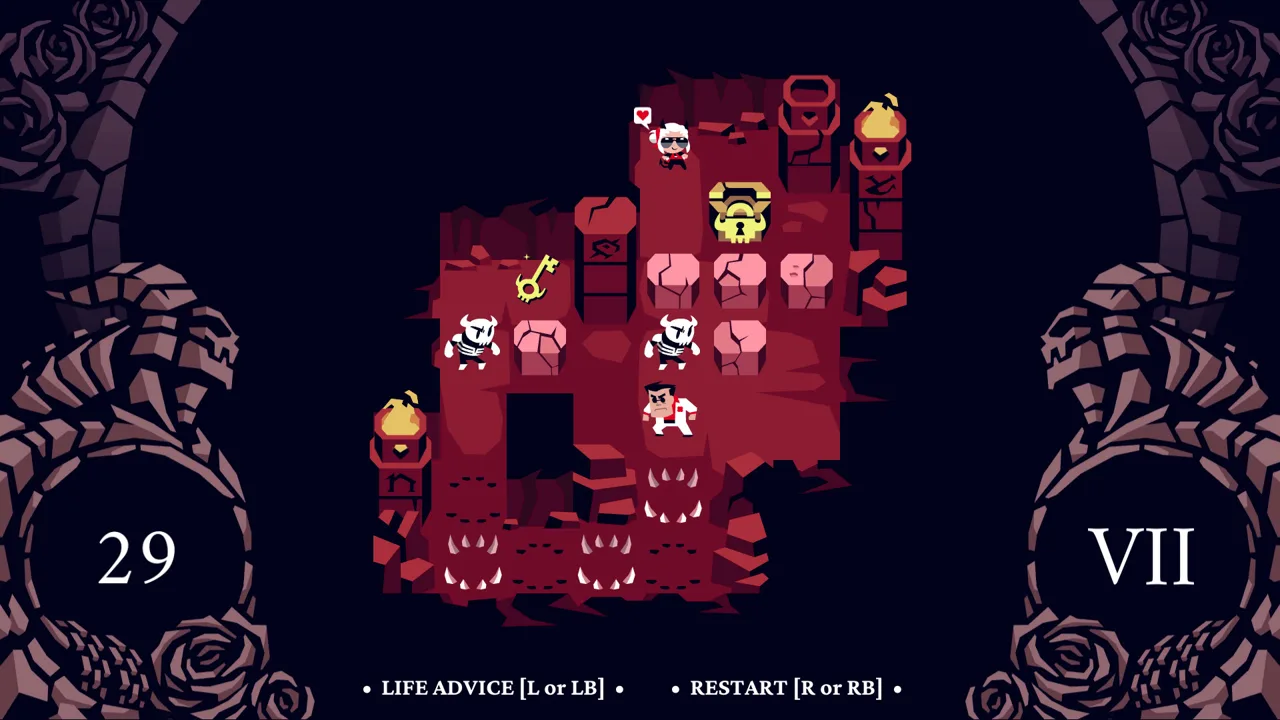
Helltaker’s rooms concentrate the task into a visible arrangement of obstacles, hazards and a destination. The inspected official trailer shows these compact spaces with a numerical counter and a restart prompt; the developer describes solving the puzzles efficiently. The decision here is whether you enjoy planning a route through a supplied problem, rather than freely exploring a larger place.
That makes it a useful contrast with The Looker. In Helltaker, the question is how to move through the arrangement in front of you. The Looker makes interpreting a line puzzle—and sometimes its joke—the central task. Choose Helltaker when a tightly bounded room appeals more than moving between puzzle panels around an island.
There is also a clear escape hatch if the puzzle is what stops you: the official description says you can skip puzzles from the menu. That is a specific documented option, not a claim that every encounter or challenge can be bypassed. Character scenes use a suggestive demon-girl theme; do not confuse the cartoon art with an all-ages recommendation.
You do not need to buy the Artbook + Pancake Recipe to choose the free Helltaker game. The separate product page describes it as optional support and says its material can also be unlocked free in the game. It is not the paid “rest of the campaign.”
The Looker: puzzle conventions become part of the joke
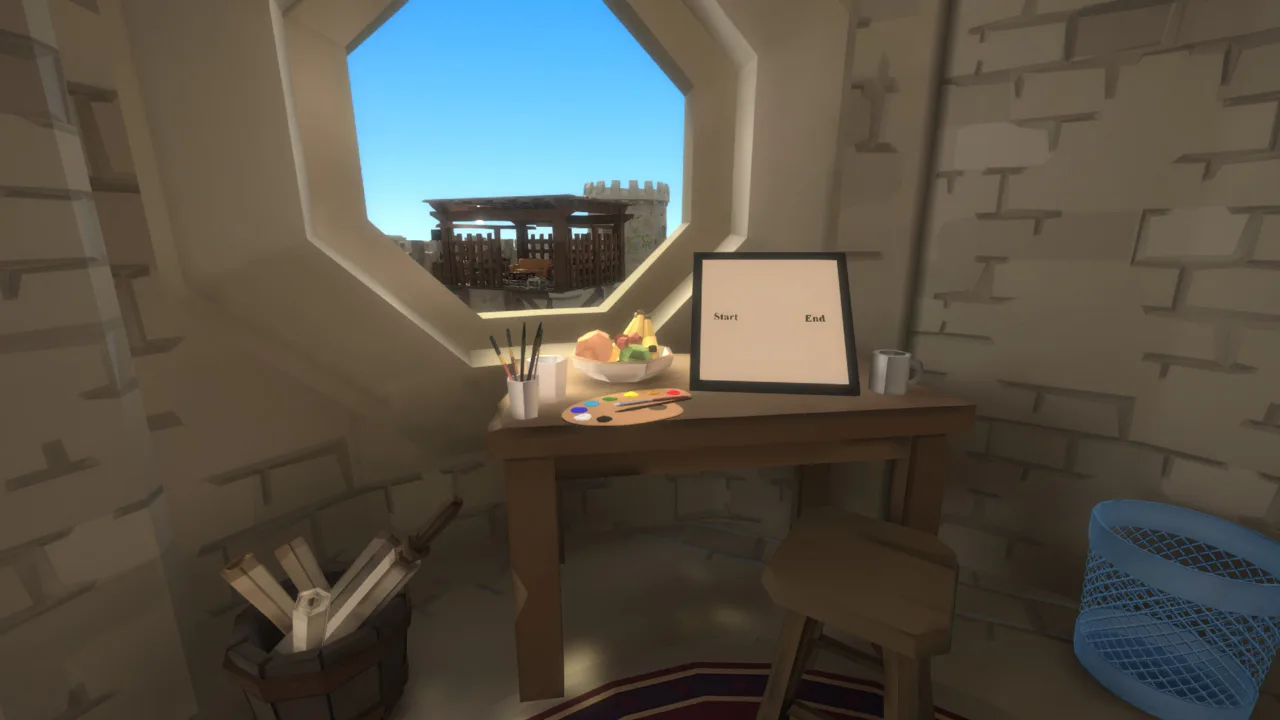
Subcreation Studio describes The Looker as a free comedic puzzle game parodying The Witness. The official trailer includes a Start-to-End line panel; the specialist Free Game Planet article discusses how those initially simple instructions become less straightforward. That gives the reader a more useful expectation than “another game with puzzles.”
The attraction is a combination of solving and noticing how the game handles familiar puzzle conventions. A hint or a piece of presentation can be part of its comedy, rather than a neutral instruction manual. If you want a consistently solemn logic exercise, that tone may be the reason to choose something else. If you like examining the rules a puzzle appears to give you, it is the reason to investigate.
The Steam description advertises more than 55 puzzles and an approximately two-hour playing duration. Treat that duration as the developer’s estimate, not our measured completion time. The same page lists crude or sexual humor, strong language and cartoon violence among its content notes. The developer’s optional support-tip link is separate from the free Steam game; you do not need to buy The Witness to obtain this standalone title.
Gravitas: change the room’s gravity instead of drawing the answer
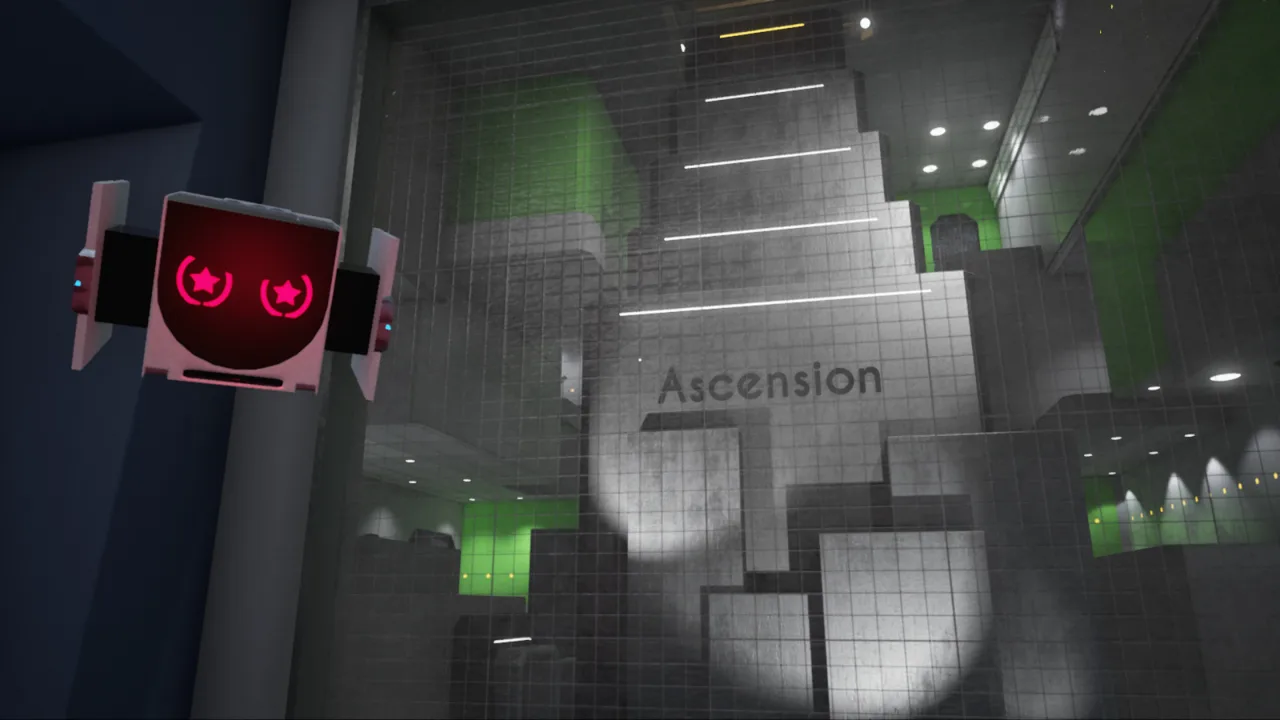
Gravitas makes the room itself the thing to manipulate. The developer describes using gravity powers on gallery cubes and navigating increasingly dangerous exhibits with an eccentric Curator. The sampled gameplay trailer shows large chambers, a hovering guide and hazard-lined platforms. This is a spatial, first-person puzzle-platforming choice rather than another set of line panels.
That gives it a useful place beside The Looker. Both have a comic framing, but Gravitas asks you to reason about position, objects and a route through physical space. Helltaker offers a more compact view of a room; Gravitas puts you inside the environment. Choose according to whether first-person orientation is part of the attraction or the thing that makes puzzles tiring.
A long-running Steam discussion includes players who dislike its post-processing effects and share configuration suggestions. We have not tested those edits or their claimed frame-rate improvements. The practical takeaway is visual comfort, not a guaranteed performance fix. The current Windows game is a free standalone offer, and its short scope should not be mistaken for an ongoing puzzle service.
Historical player discussion about visual effects.
Exploration: routes, people or overwhelming architecture
Decide whether you want to discover movement possibilities, browse a social place or accept difficult passages within an abstract structure. A first-person camera does not make these the same activity.
BABBDI: movement and curiosity determine the next route
BABBDI is the more open exploration choice in this group. Its official description asks you to meet the inhabitants of a neglected city district and discover how to escape. It lists items that unlock movement abilities—including a baseball bat, pickaxe and motorcycle—alongside hidden collectibles. The developer explicitly states that there is no combat; the presence of a bat does not make it an action-fighting recommendation.
Compared with Marie’s Room, the player decision shifts from interpreting belongings to looking for routes and useful movement possibilities. Compared with Helltaker’s compact rooms, the space itself is something to investigate. Pick it when “what could I reach from here?” sounds more interesting than being handed the next small puzzle.
That freedom can also be a drawback. We would choose another entry for someone who mainly wants a tightly directed chain of story scenes. Nor does “no combat” establish that the atmosphere will feel warm or relaxing: the concrete district and unusual residents are part of its character. The inspected official footage shows the town, a resident interaction and a held traversal item; it is not evidence of every route or ending.
Use the original BABBDI Steam listing for the free game. Windows, macOS and Linux are listed, with the platform caveats in the comparison above. No paid-product substitution is needed to access the named release.
Off-Peak: explore a strange station without rushing through it
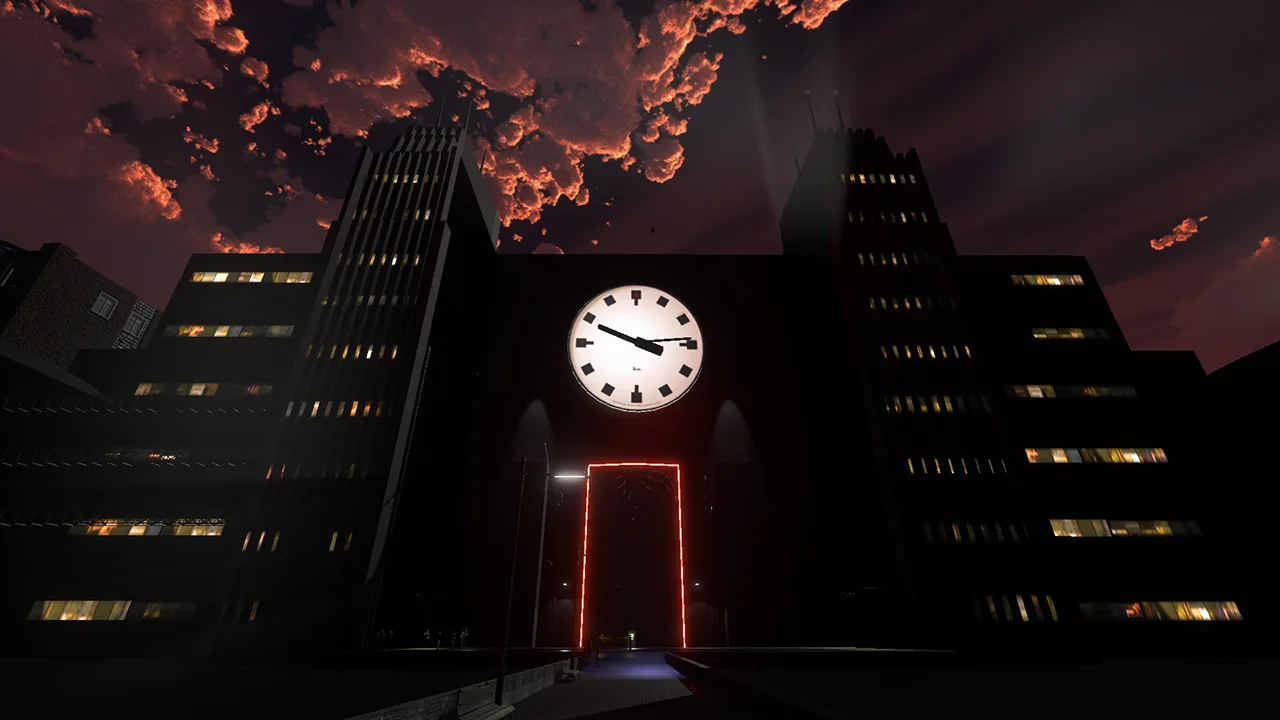
Off-Peak concentrates its oddness in a cathedral-like station. You need a ticket out of town, but the developer describes a space full of hidden passageways, strangers and records. The official trailer's sampled scenes include food counters, conversations and an information desk. The interesting question is what a place reveals through its people and details, rather than how quickly you can cross it.
Compared with BABBDI, the emphasis shifts away from movement tools toward browsing a dense, surreal environment. Compared with Marie’s Room, it gives you a wider collection of strangers and social details instead of reconstructing one friendship through a bedroom. Cosmo D's music-led approach is a reason to leave time for observation rather than follow only the next objective.
This is still a bounded work in one main area, not an endless station simulator. The developer's roughly 20–30-minute average is their estimate, not our completion time. Follow the free original Off-Peak listing; another game by the same creator is a separate product. Windows, macOS and Linux are listed.
NaissanceE: monumental architecture with real traversal demands
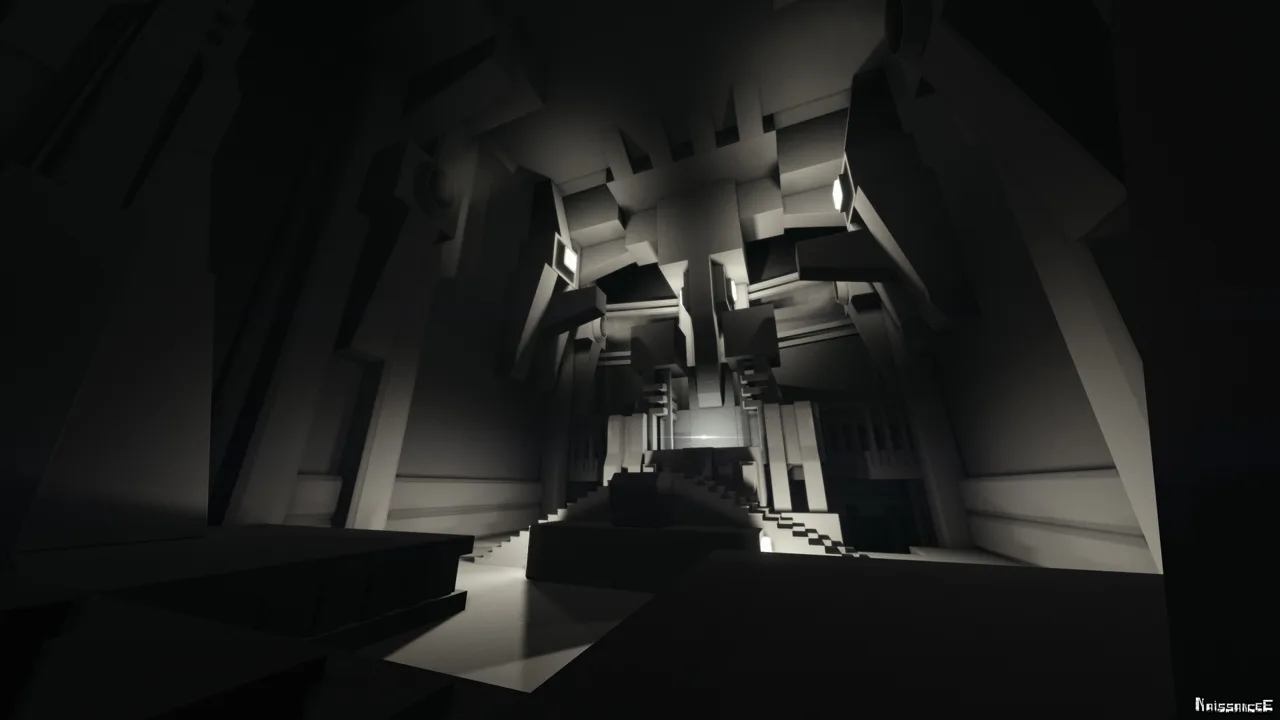
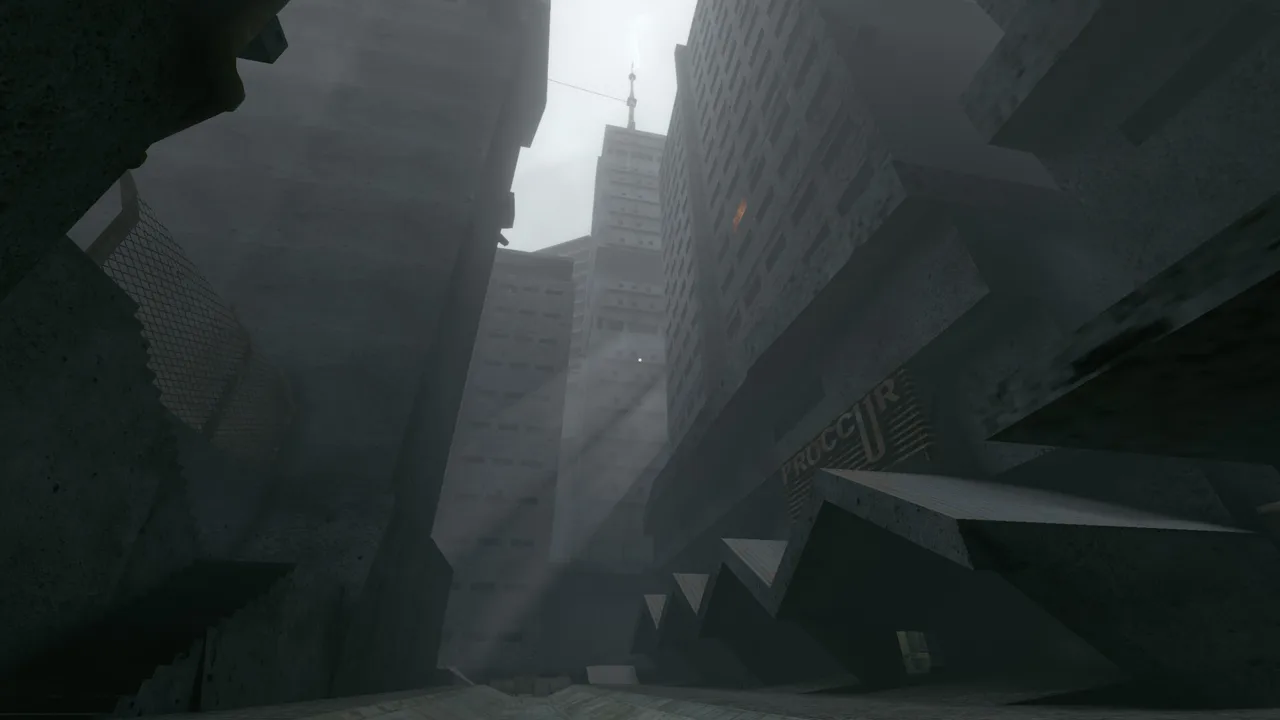
NaissanceE is the stronger choice when the place itself should dwarf the player. The developer describes a largely linear route punctuated by open spaces, puzzles and experimental sequences. Sampled gameplay-trailer frames show stark corridors, geometric structures and strong changes between light and darkness. It is a different attraction from Off-Peak's conversational details.
The important limitation is that exploration does not mean effortless walking. The official description specifically mentions coordinating running, breathing and jumping in demanding passages. A Steam player help thread reports difficulty completing a late traversal sequence; replies discuss attempts and timing. That is an individual experience, not proof that everyone will be stuck or that a suggested configuration change is a verified fix.
Choose BABBDI or Off-Peak if that sort of coordination is what you want to avoid. Choose NaissanceE if scale and an unfamiliar architectural route outweigh the need for a gentle trip. The developer warns against play for people with epilepsy. The current Windows base-game listing offers free play; follow that exact product rather than assuming the price of another release.
Player traversal-difficulty discussion, containing late-game details.
Movement and battles: five different reasons to keep going
The choice is not simply pixel art versus 3D. Separate an authored journey, repeatable parkour, action hazards, projectile combat and a compact battle-led RPG.
Sheepy: a directed platform journey where the music matters
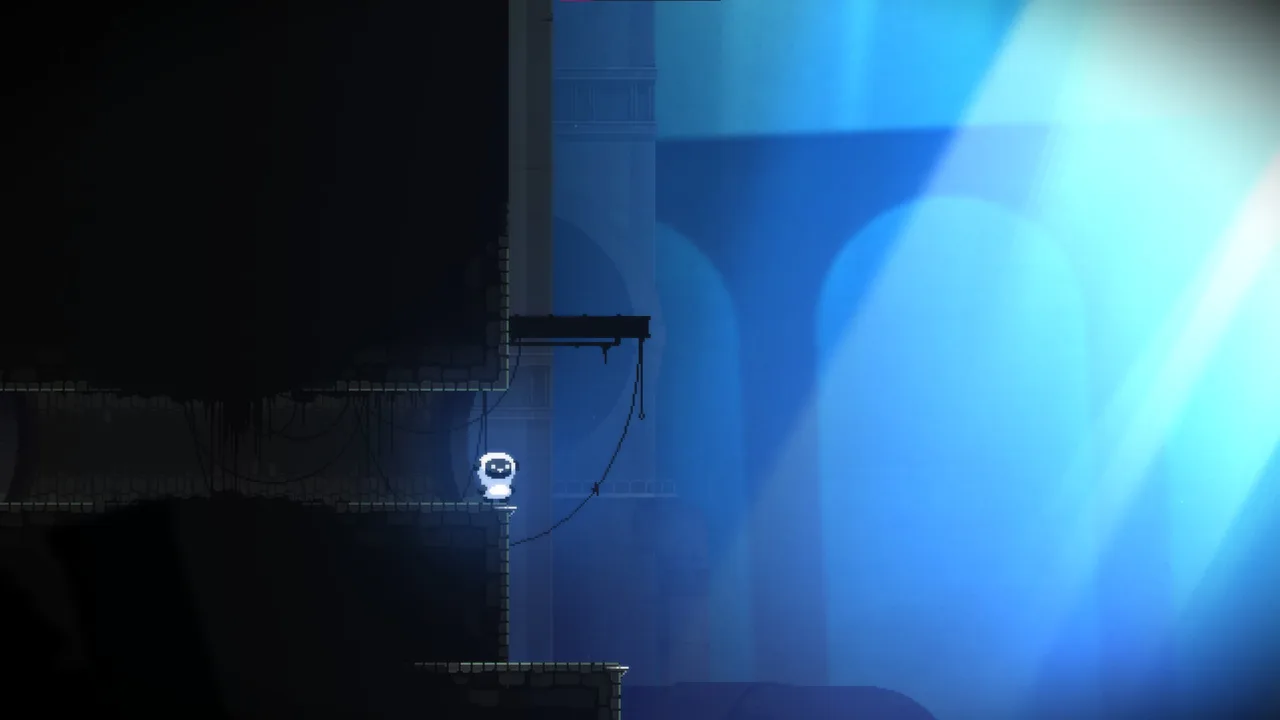
Sheepy is the choice for a player who wants to move through a designed sequence of places, rather than invent a route through an open town. The protagonist is an abandoned plush sheep brought to life; the official trailer shows side-on platforms within ruined industrial spaces. It gives the environment room to establish a mood instead of filling the screen with a large combat interface.
The soundtrack is a central part of the developer's description, with music by Yoe Mase, Hahlweg and Tal Richards. Free Game Planet's specialist review also singles out the relationship between animation, environment and audio. That is a useful reason to choose it over the deliberately sparse, repeatable movement of Himno: here the attraction is a composed journey, not an endless supply of maps.
The title's ‘Short Adventure’ is worth taking seriously. Do not choose it because you want a free game that never ends, or assume the plush character guarantees an entirely cheerful world. The free Windows game is the product selected here; a separate soundtrack listing is not the required purchase of a missing full campaign.
Specialist perspective: Free Game Planet.
Himno: return for movement instead of a finished story
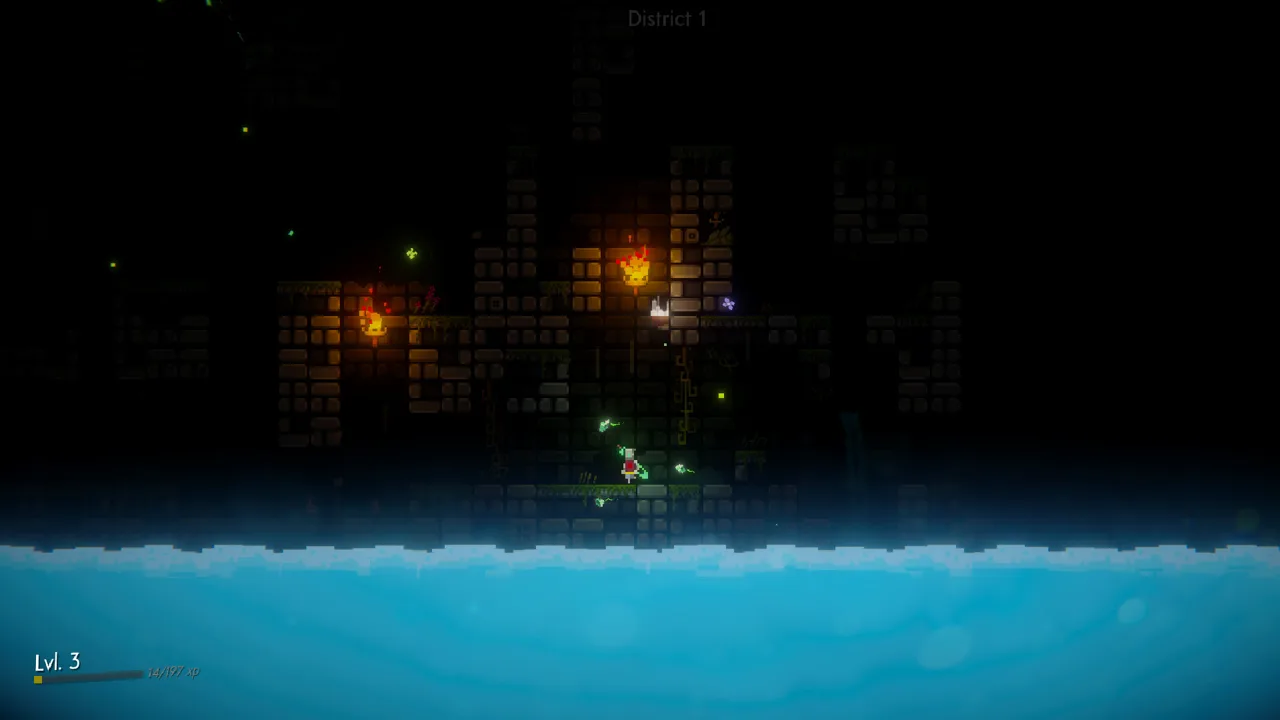
Himno answers a different version of the free-game question: what can you return to after a short session? The developer describes an endless supply of procedurally generated maps, with wall jumps, slides, dashes and moving platforms. It also explicitly describes the original as non-violent, without death. That separates it from Janosik's hazards and Bloody Hell's fights.
The repeatability is about movement and generated layouts, not a promise of endless new story chapters. Choose it over Sheepy when you would rather experiment with routes in another map than follow a single composed adventure. Choose Sheepy when an authored audiovisual arc is what would give the session meaning.
Sampled official footage supports the small character, platforms and luminous environmental presentation; it is not a test of every generated layout or accessibility need. The free original lists Windows, macOS and Linux. Check the product title if a store or search result opens a differently named Himno game: related branding does not make every release the same free product.
Janosik: a connected action-platforming route, not an endless runner
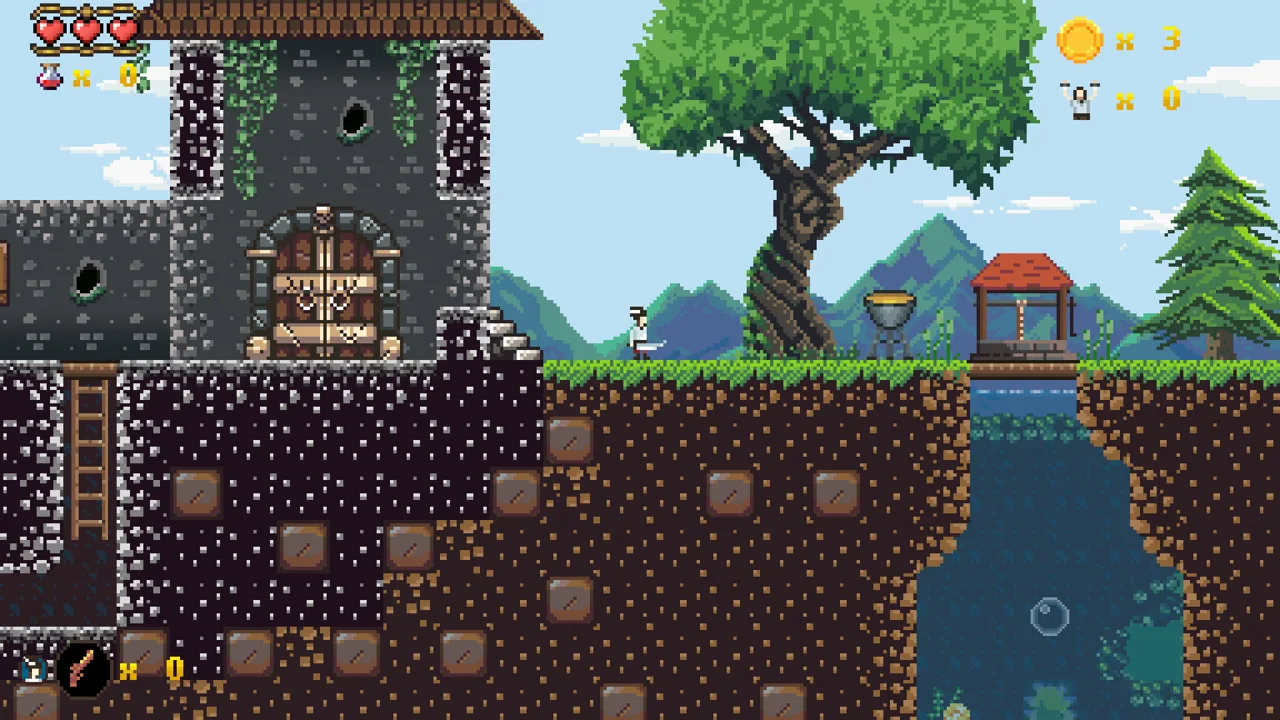
Janosik combines a connected mountain-castle world with the immediate demands of jumping, rolling and attacking. The developer documents secrets, coins, upgrades and rescuing captured companions. Sampled official footage supports the side-on action-platforming presentation; it does not certify a particular player's ability to clear the obstacles.
Pick it over Himno when hazards and enemies should give the movement a goal and consequence. Pick Himno when you want the developer's explicitly non-violent, no-death alternative. Sheepy offers another side-on journey, but puts its plush protagonist and audiovisual atmosphere in the foreground instead of a highlander rescue premise.
The exact original listing states that the game is free without microtransactions. Keep that useful statement attached to Janosik, not the wider series: a prominent Janosik 2 preview or sequel link is a separate choice. Windows, macOS and Linux are listed; the developer's approximate two-hour duration is an estimate, not our measured playtime.
Bloody Hell: combat and exploration in the same free game
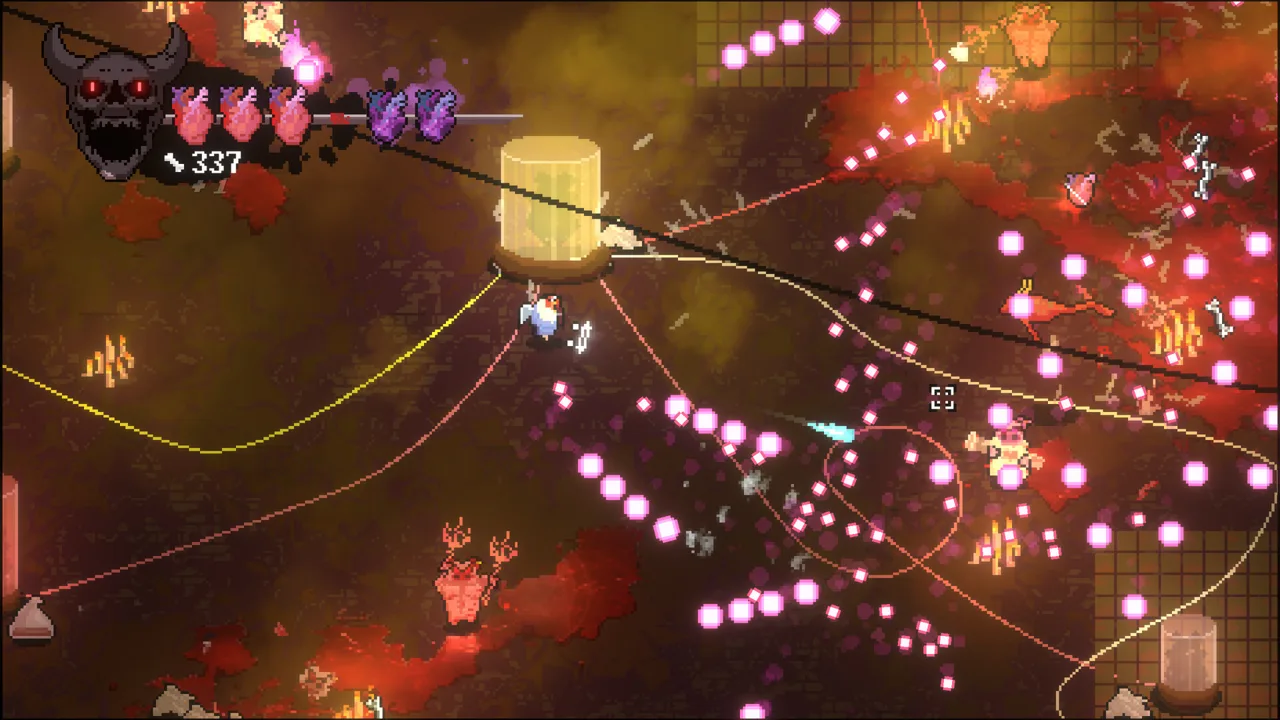
Bloody Hell is the alternative for a reader who has had enough quiet wandering. Its developer describes an angel fighting through an interconnected world, with dashes, grappling, upgrades and a map. The sampled official trailer shows the top-down combat presentation. You are choosing a game about handling enemies and routes, not just visiting an unusual place.
The useful contrast with Janosik is viewpoint and pressure: Janosik puts the challenge into side-on jumps and obstacles, while Bloody Hell adds projectile-heavy fights. Helltaker is another hell-themed entry, but its compact route puzzles ask for a different sort of attention. A shared setting is not a reason to expect the same activity.
Violent imagery and the deliberately bloody premise make this a poor substitute for Himno's no-combat movement. The free Windows original is separate from its soundtrack support product and any promoted sequel. We have not measured its difficulty or completed its bosses; the fit judgment follows the official mechanics and inspected presentation.
Grimm’s Hollow: a small RPG instead of another platformer
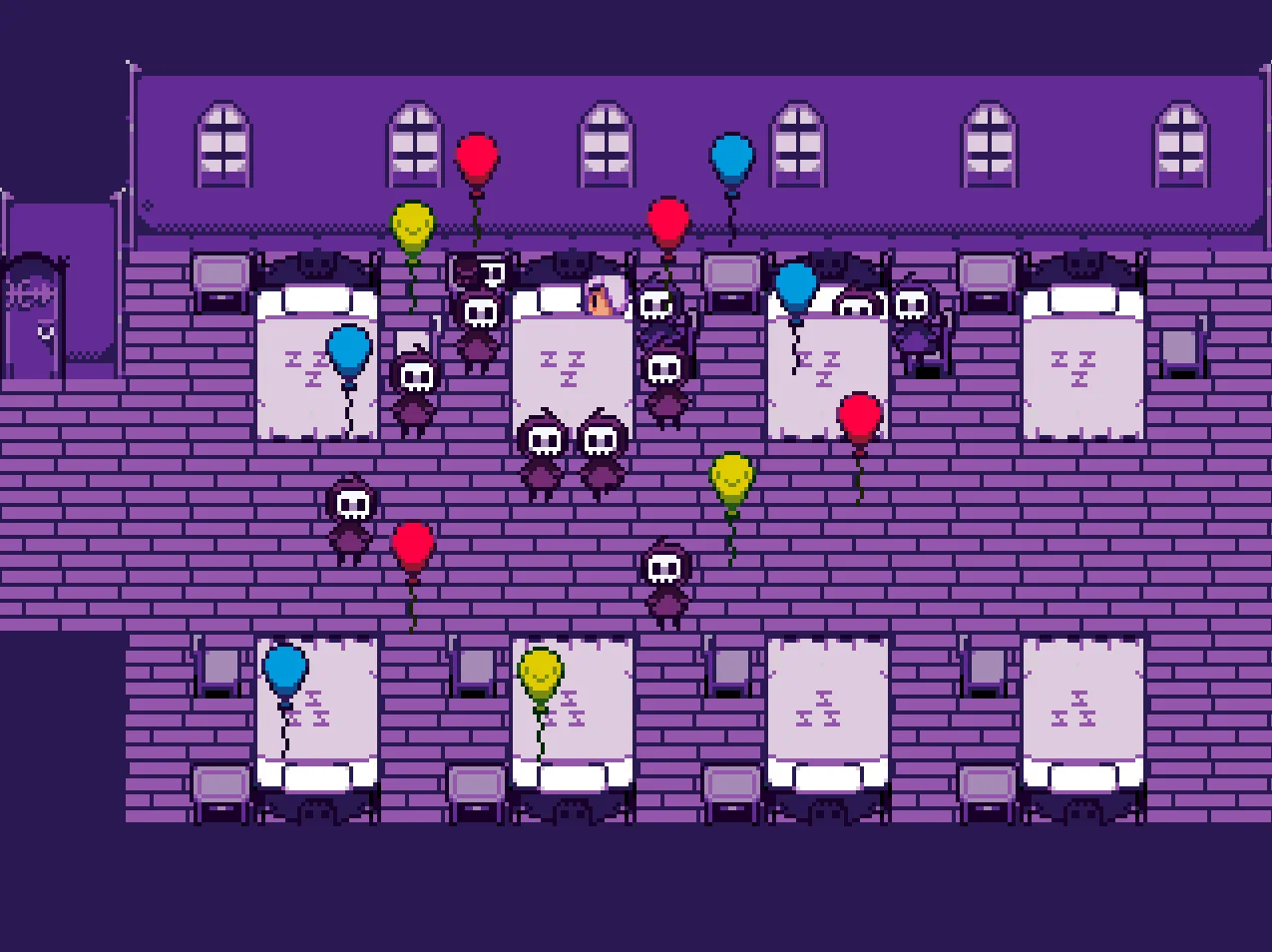
Grimm’s Hollow gives this group a different kind of progression. Lavender wants to find her brother and leave the strange Hollow; the developer describes three haunted caves and multiple endings. Sampled official footage includes a ghost-filled bedroom and a battle interface with health, commands and abilities. The point is a compact story RPG, not a large platforming map disguised by pixel art.
Choose it over Sheepy when character encounters and battles are the part you want to spend time on. Choose Sheepy or Himno when you mainly want movement. Cute ghosts and comfort-food imagery also coexist with a story about death: the visual style alone is an incomplete description of its tone.
A player thread praises its art and story, while another challenges the game's high rating without supplying a specific mechanical criticism. That disagreement is a reminder to choose the activity, not to treat either opinion as universal. It does not establish a bug or a current percentage. The named Windows base game has its own free offer; no soundtrack purchase is required to select that offer.
Player story recommendation · Rating disagreement.
Stories: inspect, apply objects, make a choice or read
These games ask for different kinds of participation. Object memories, inventory puzzles and branching dialogue are not interchangeable, and a small or cute presentation does not establish gentle subject matter.
Marie’s Room: objects build a story instead of a combat loadout
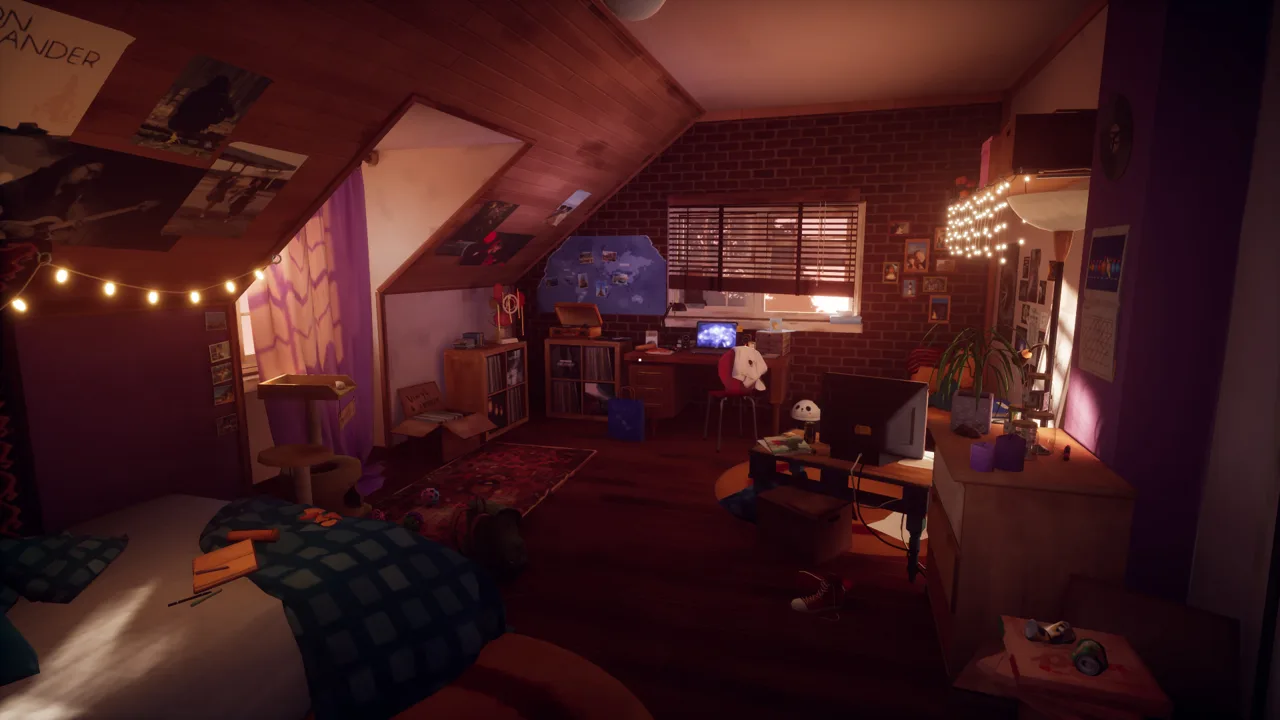
Kelsey returns to Marie’s room looking for a journal, and the objects connect her present visit with memories from twenty years earlier. The official description centers opening drawers, picking up objects and comparing what Kelsey remembers with what Marie wrote. The inspected gameplay-trailer frames show the room and an object-inspection prompt, not a large inventory-driven combat system.
The useful comparison with DDLC is how the story reaches you. Here, you direct attention toward a physical space and its belongings. DDLC largely puts character dialogue in the foreground. Choose Marie’s Room if you would rather ask “what does this object tell me about these people?” than work through a succession of conversations.
The setting is small, but that does not make the subject matter automatically light. The developer frames it around a friendship broken by a terrible night. We keep the outcome unspoiled and do not promise that it is a cheerful or emotionally gentle story. It is also not the right choice if your main requirement is an endless world to keep returning to.
The named game is free on its Steam page. Its separate soundtrack listing was also free when checked; the presence of an additional product is not, by itself, evidence of a paywall. The PC listing checked here is Windows only, so this is not one to transfer into a Mac-only shortlist.
Drowning Cross: put objects and thoughts to work in a mystery
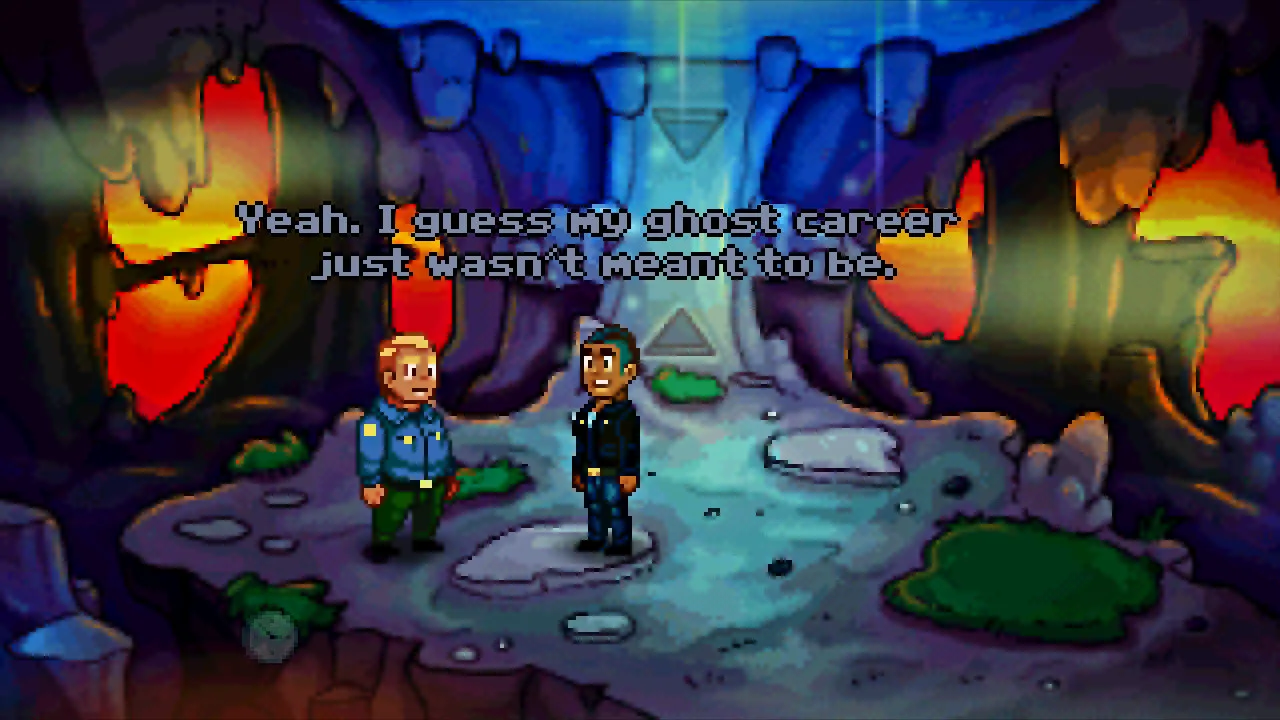
Jeremy's partner Leo disappears after a crash, and the search becomes a point-and-click mystery. The distinctive feature in the official description is that thoughts can join physical items in your inventory. Sampled trailer frames show interaction icons, a city scene, conversation and an inventory button: you are choosing what to examine or use, rather than only advancing a text box.
Pick it instead of Marie’s Room if the appeal is actively applying things and ideas to an investigation. Marie’s Room is more about interpreting a particular room and its remembered objects; Drowning Cross presents a wider set of scenes and people. The developer documents two endings and no dead ends, but that does not tell us how easy every puzzle will be.
The store's adult-theme notes include references to sex, alcohol and mental-health problems. The pixel art is not an all-ages certificate. It is a free standalone release with Windows, macOS and Linux listings; modern system compatibility and a complete playthrough were not tested for this article.
The Supper: cooking is a dark adventure puzzle, not a business sim
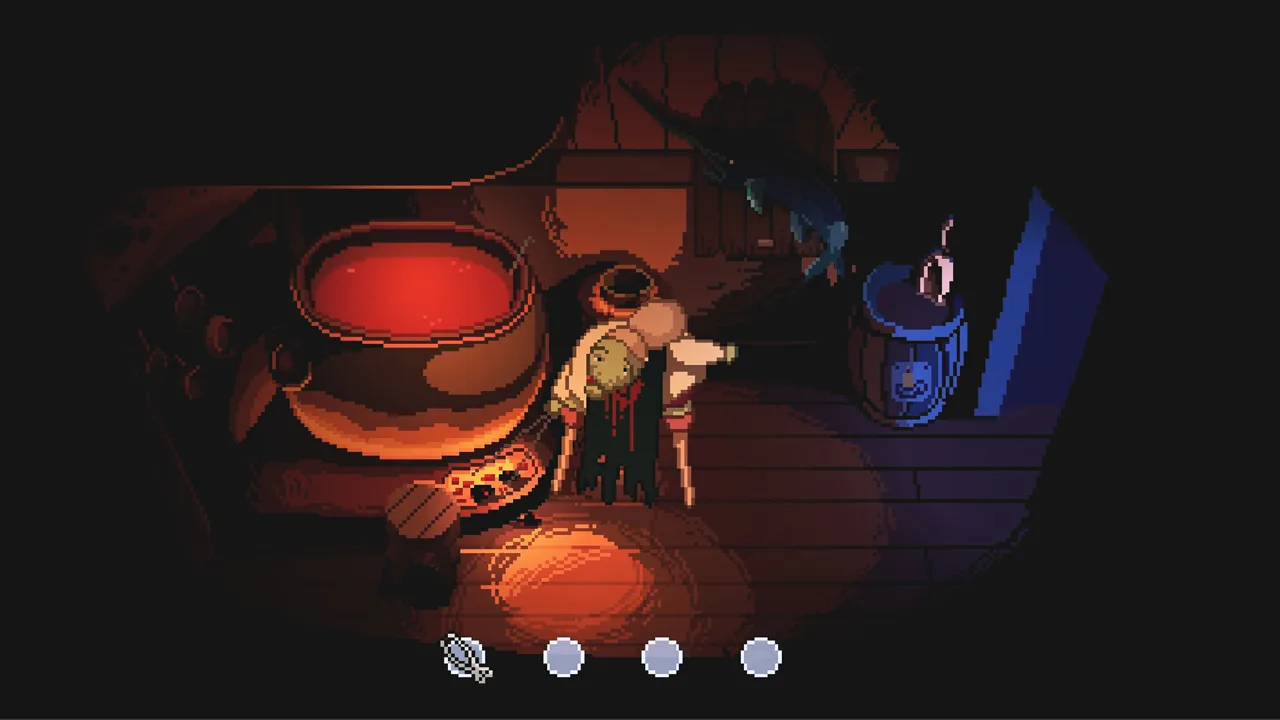
The Supper is for the player who likes searching a scene for the next useful object. Ms. Appleton wakes in her tavern's kitchen while a voice tells her to prepare a special meal. The official description connects exploring the kitchen and docks, finding ingredients and solving puzzles; sampled trailer frames establish its side-on tavern presentation, not the solutions to those puzzles.
Compare it with Drowning Cross rather than a farming or cooking-management game. Both use an authored adventure structure, but The Supper concentrates the task into a small macabre episode about preparing food. There is no verified basis here to promise a restaurant economy, a large recipe system or endless customers.
Its developer's cartoon-gore notice matters more than the familiar kitchen setting. Choose another entry if the meal premise sounds unpleasant rather than intriguing; the payoff is better left unspoiled. The Windows base game is offered free. Additional product listings should be checked separately, not treated as evidence that the named free game is only a preview.
Doki Doki Literature Club!: the free original is not DDLC Plus!
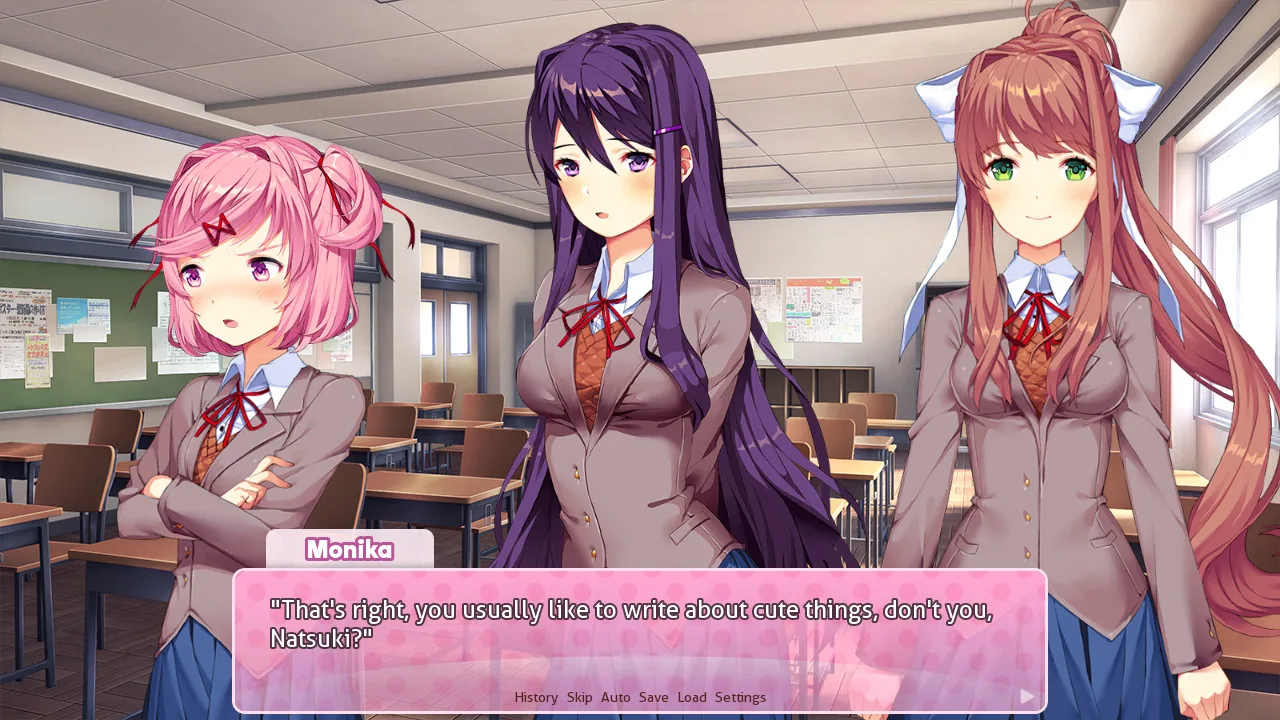
Read the content warning before choosing this one: Team Salvato says the game is unsuitable for children or people who are easily disturbed. This is a psychological horror choice with a literature-club surface, not a harmless dating-game recommendation. We avoid describing later events because surprise is part of the experience.
Its dialogue-led structure is the reason to choose it over the movement or route-planning games above. The inspected official trailer contains a character conversation in the game’s text-box interface; other sampled sections are promotional character introductions and title cards. Those samples establish the presentation, not a claim that we watched every later scene or personally finished the story.
The access distinction is particularly important here. The official original-game site says DDLC is free and describes the Fan Pack as an optional contribution reward. The Steam Fan Pack contains music, wallpapers and concept-art material. It is not required to play the free original.
Doki Doki Literature Club Plus! is a separate paid game, with additional side stories and other expanded features described on its official site. A paid Plus listing does not mean the original became a demo. For this recommendation, follow the original Steam app 698780, whose free-play offer was checked separately.
missed messages.: choices and perspective, with serious content warnings
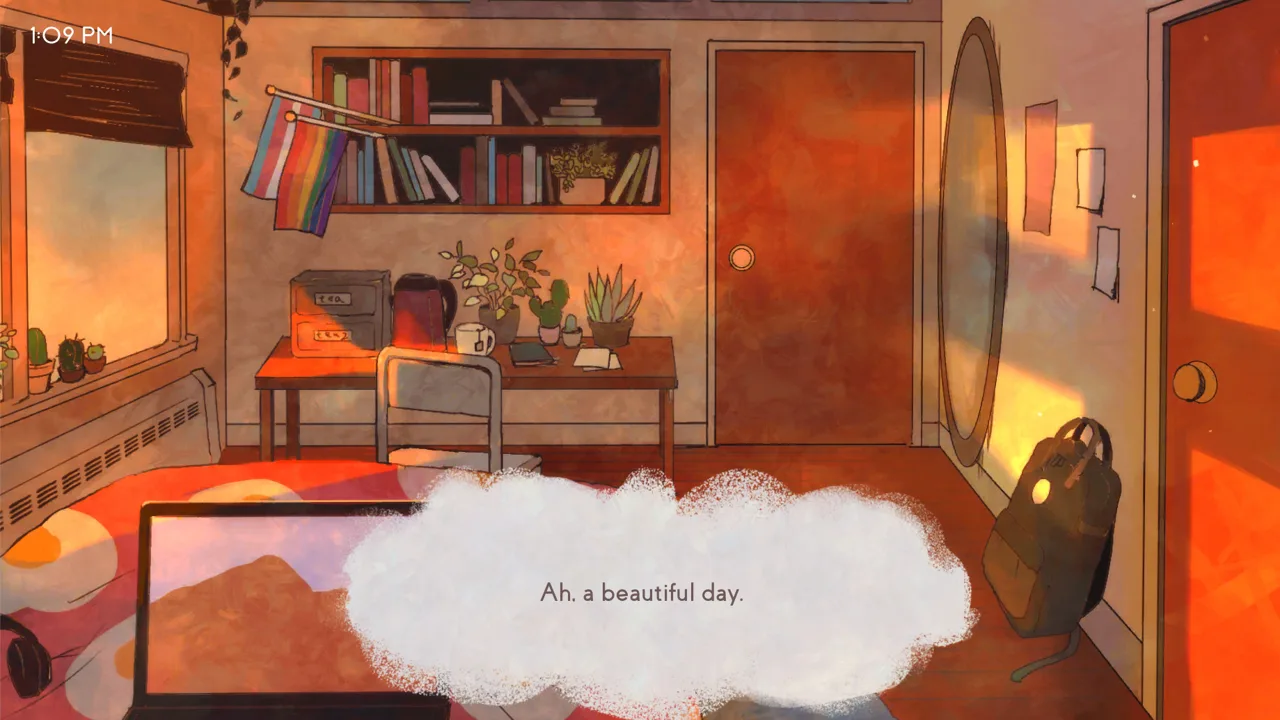
This is a reading-and-choice entry for someone who wants to revisit a small situation from another perspective. Angela He's official description documents four endings and frames the story around life, death and messages. Sampled trailer scenes show illustrated rooms and a dialogue interface. The decision is how to engage with a focused conversation-led work, not how to build a character for a long RPG.
It pairs usefully with DDLC, but the shared visual-novel format does not make their exact experiences interchangeable. Here the developer explicitly warns of visuals or mentions of suicide and self-harm. Do not choose it on the assumption that a soft palette or wholesome memes means a gentle subject.
The stated 15–30 minutes per playthrough is the developer's estimate, not our timed result, and multiple endings do not mean an endlessly expanding game. Windows, macOS and Linux are listed for the free base release. Related support content is a separate offer; a reader can follow the named game's own free-play option.
Research, responsibility and limits
Prepared for Indie Lantern with AI-assisted research and editing, checked 24 October 2026. This is a researched comparison, not a hands-on review. We checked exact Steam identities, released status, current free-play offers and platform listings; compared official developer and related-product pages; inspected selected frames from official supplied footage; and chose one credited promotional screenshot per game. We did not launch, record, install or complete the games, test performance, or verify account-specific access. Promotional footage can show an older build. The developers' duration estimates are not our measured playtimes.
Discovery included a historical free-indie Steam request, concrete player discussions linked above and the specialist articles. A separate Mac/cute/long-game request highlights why those constraints cannot simply be transferred onto every free recommendation. Community praise, disagreement and configuration tips are individual experiences, not representative consensus, measured demand or fixes we tested.
We retained the five original selections and added 11 distinct games across different activities. A source suggestion is not enough by itself: Disfigure's current store offer is paid, so its appearance in older free-game recommendations does not qualify it here. The exact current listing is the place to check that distinction. This is a curated selection, not a claim to have exhausted every free indie game. BABBDI is included as a small-team work by Sirius and Léonard Lemaitre, supported by specialist indie coverage.
The broader free-to-play catalog can lead to other titles, but check their models separately. For previews of paid games, see our Steam puzzle demos comparison. A preview answers a different access question from the standalone releases selected here.