Strategy Games on Steam by Play Style
Strategy games turn information, time, space, resources, or risk into decisions that matter later. The genre is much broader than commanding armies in real time: it also includes turn-based tactics, colony management, automation, deckbuilding, defense, roguelike planning, and quiet spatial puzzles. This is the broad Indie Lantern Strategy archive, with quick paths into the style you actually want.
The full archive currently contains 1,786 tagged games. The examples below are a smaller editorial layer, not a hard limit or a universal ranking. Every featured game has a published Indie Lantern page, current Strategy evidence, an official Steam product response, and a matching gameplay screenshot.
Quick paths into strategy games
| Game | Best for | Central decision | Watch out for |
|---|---|---|---|
| Factorio | Automation and production design | How to turn limited inputs, space, and transport into a factory that can keep scaling. | Optimization can become an enormous time commitment. |
| RimWorld | Character-driven colony stories | Which needs, threats, relationships, and long-term projects deserve attention now. | Failure, loss, and unpredictable disasters are part of the story generator. |
| Into the Breach | Compact turn-based tactics | How to manipulate a fully visible enemy turn with a tiny squad and limited actions. | Small mistakes can force painful sacrifices. |
| Tactical Breach Wizards | Readable tactics and a story campaign | How to combine movement, spells, environmental effects, and a rewindable turn. | It is a focused campaign rather than an endless strategy sandbox. |
| Rusted Warfare – RTS | Classic real-time battles | How to balance economy, production, expansion, scouting, and unit control at once. | The intentionally plain presentation can look dated. |
| Slay the Spire | Deckbuilding runs | Which cards, relics, routes, and risks will keep one evolving deck coherent. | Repeated failure and learning enemy patterns are core progression. |
| FTL: Faster Than Light | Short systemic campaigns | Where crew, power, scrap, weapons, and emergency repairs should go under pressure. | Random events and the final sector can feel brutally unfair. |
| Dorfromantik | Relaxed spatial planning | How each tile extends landscapes, quests, chains, and future placement options. | It is closer to a calm score puzzle than war or empire management. |
Systems, automation, and colony management
Choose this branch when the pleasure comes from building a machine, settlement, or society that keeps working after the immediate problem is solved. The narrower Management, Base Building, and Automation pages separate those exact systems from the broad Strategy archive.
1. Factorio
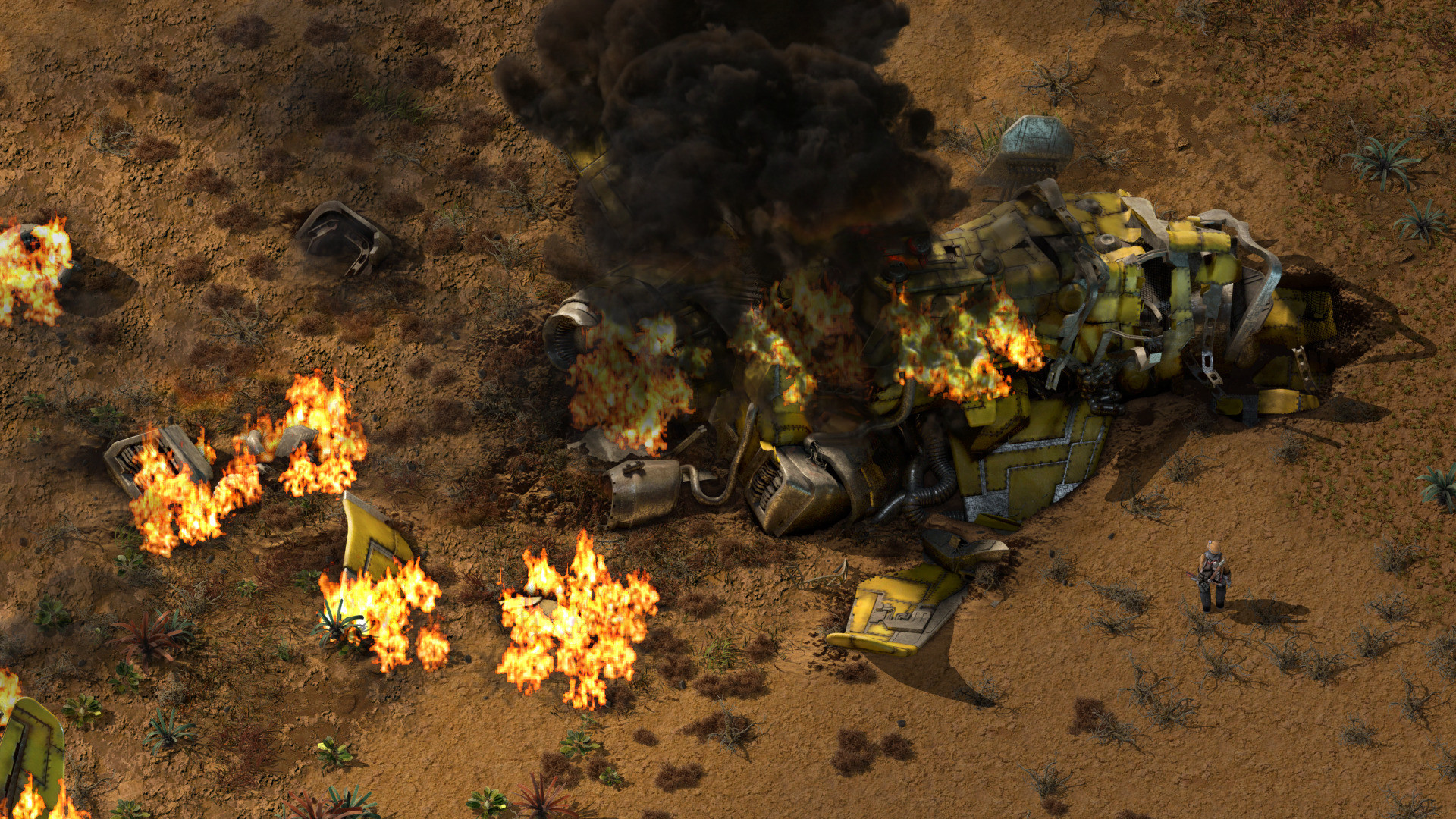
Why it fits: production ratios, belts, trains, power, layout, defense, and logistics turn every expansion into a systems problem. Best for: players who enjoy making a complex process legible and efficient. Know before playing: there is always another bottleneck to solve, so sessions can stretch far beyond the original plan.
2. RimWorld

Why it fits: colonist needs, relationships, work priorities, weather, trade, raids, medicine, and an AI storyteller make planning inseparable from emergent drama. Best for: long campaigns where imperfect people create memorable consequences. Know before playing: disaster and permanent loss are normal, and the interface takes time to learn.
3. Dwarf Fortress
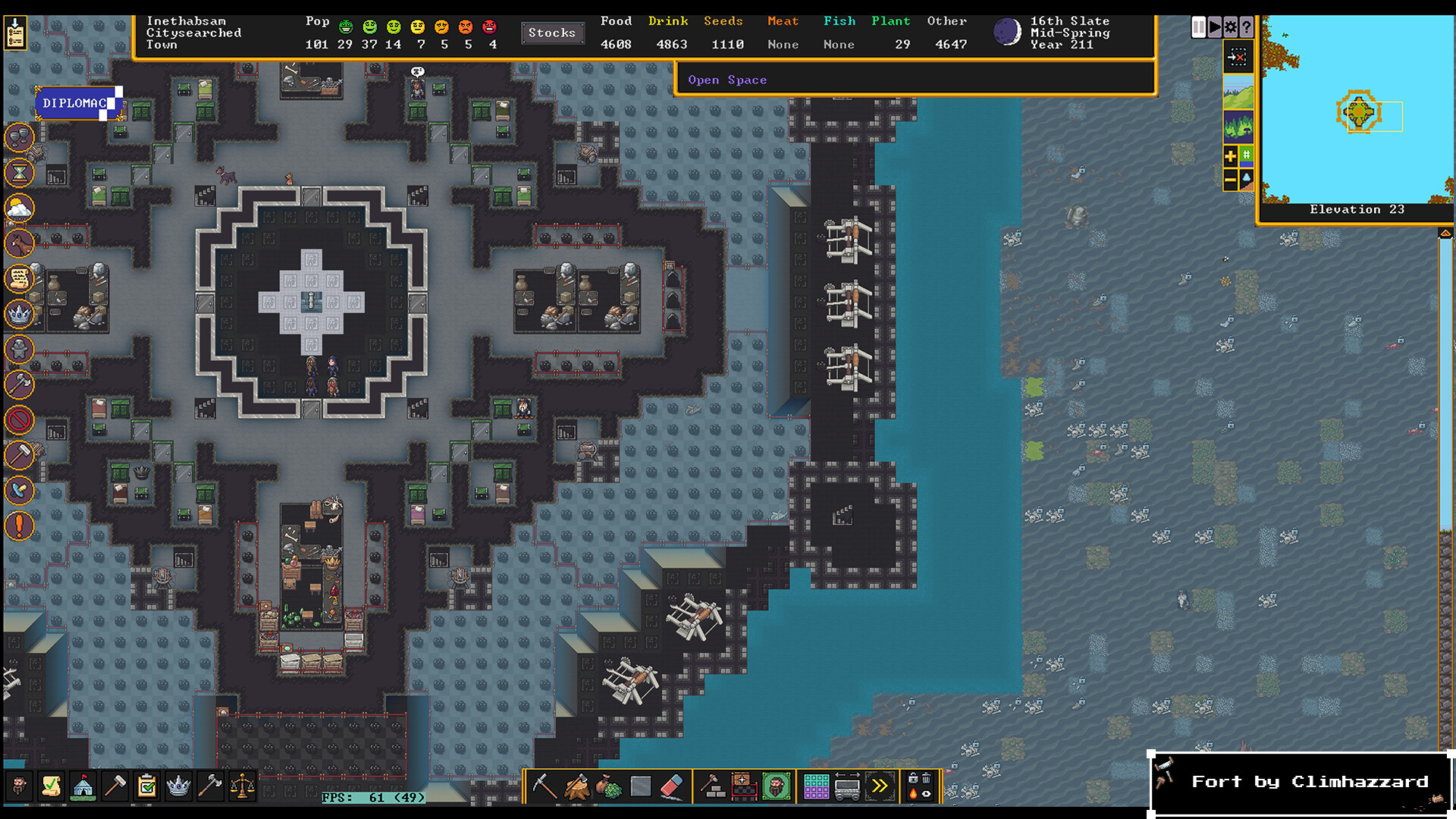
Why it fits: terrain, labor, production, moods, history, creatures, fluids, and social simulation combine into one extraordinarily deep fortress system. Best for: players who value possibility and simulation depth over smooth onboarding. Know before playing: even the graphical edition remains dense, idiosyncratic, and happy to let a fortress collapse.
4. Oxygen Not Included
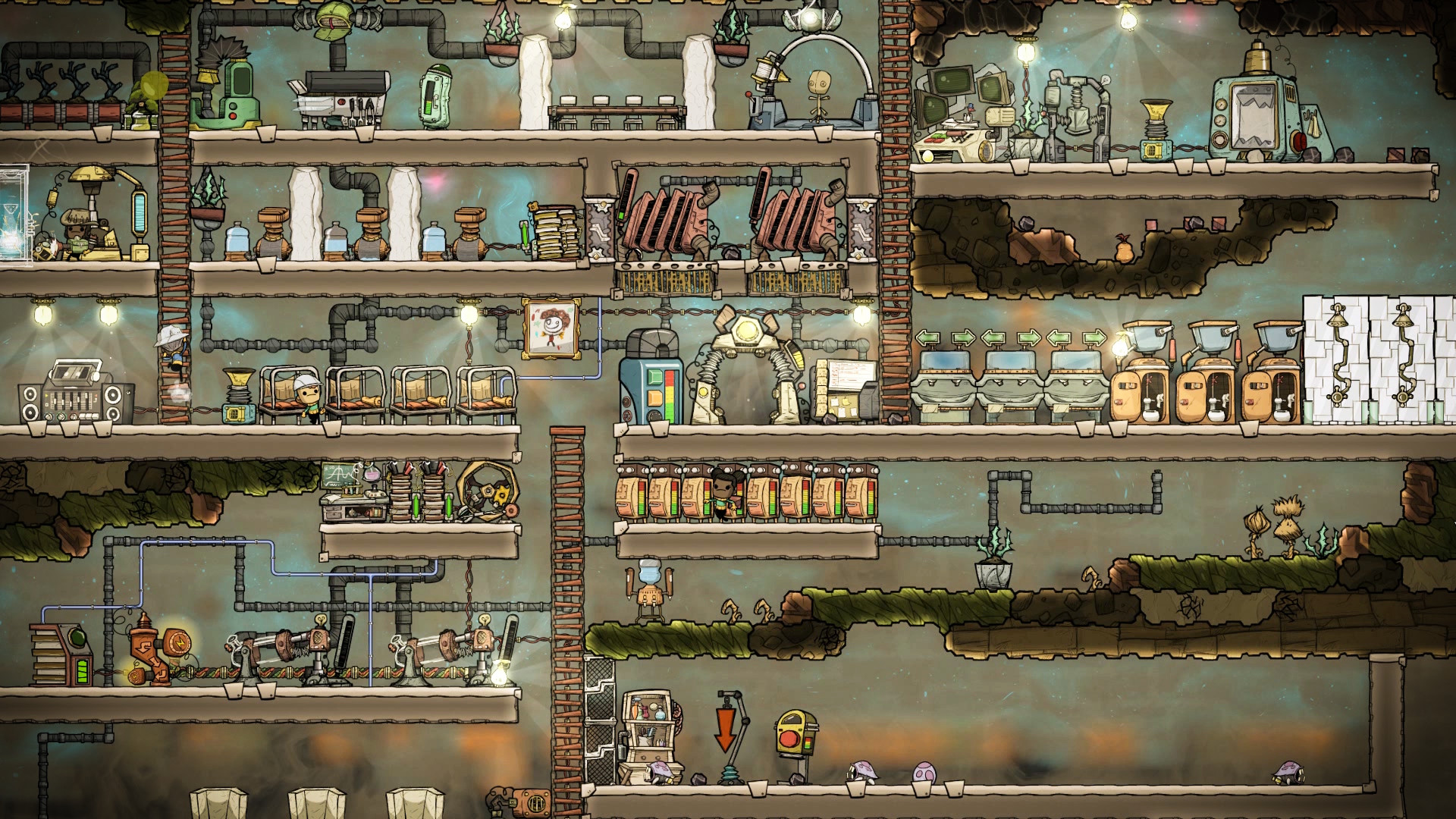
Why it fits: heat, gases, liquids, food, power, stress, and plumbing make survival a chain of interacting engineering decisions. Best for: players who want colony management as a physical systems puzzle. Know before playing: one poorly understood loop can destabilize the entire base, and the learning curve is substantial.
Turn-based tactics and tactical stealth
Choose this branch when positioning and action order matter more than production scale. The Turn-Based games page is the narrower canonical destination for that exact interaction style; not every Strategy game pauses between decisions.
5. Into the Breach
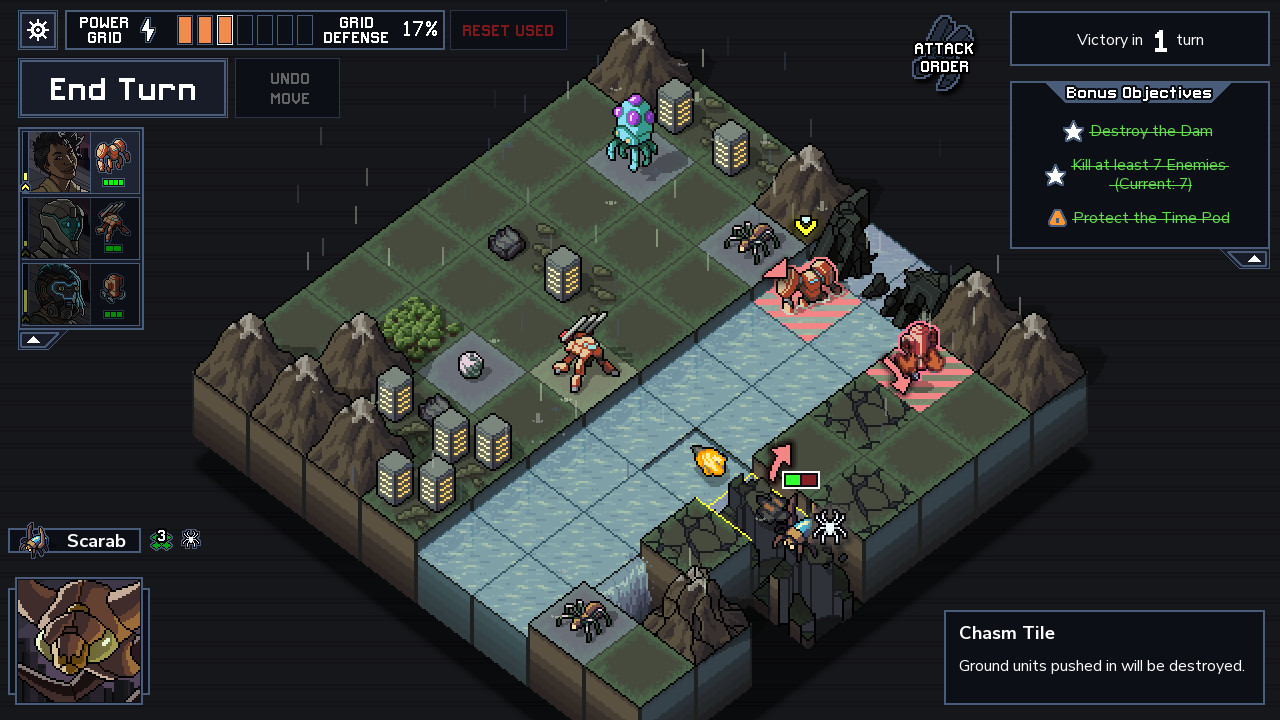
Why it fits: enemy intentions are visible, so the challenge is to push, block, protect, and redirect damage with only a few actions. Best for: short, exact tactical puzzles with meaningful squad variety. Know before playing: protecting the grid can matter more than saving every pilot or defeating every enemy.
6. Tactical Breach Wizards
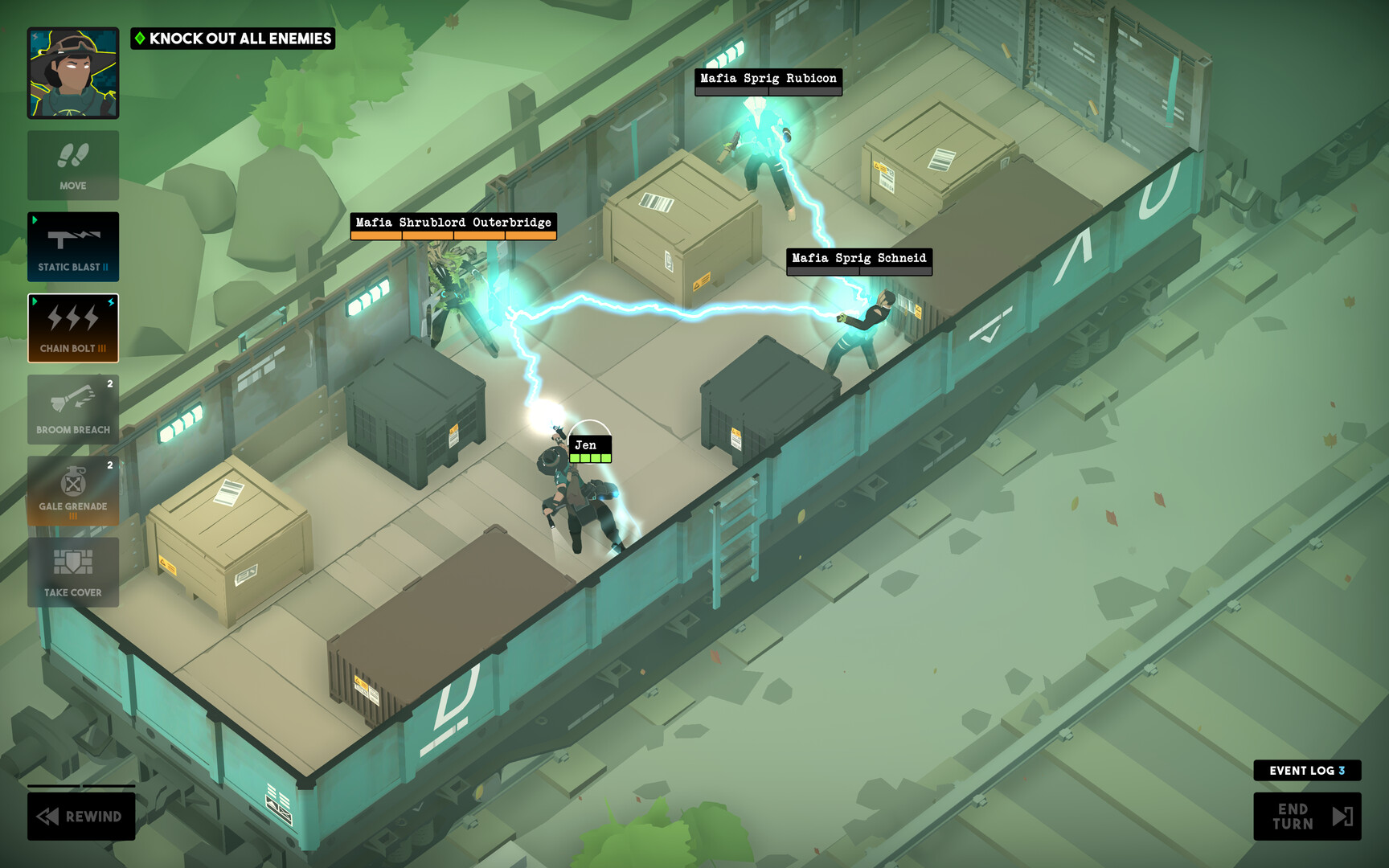
Why it fits: small rooms, readable abilities, environmental movement, and a rewind function encourage experimentation instead of hiding the solution behind punishment. Best for: newcomers who want character writing with tactical clarity. Know before playing: it emphasizes authored encounters and dialogue rather than strategic empire growth.
7. Invisible, Inc.
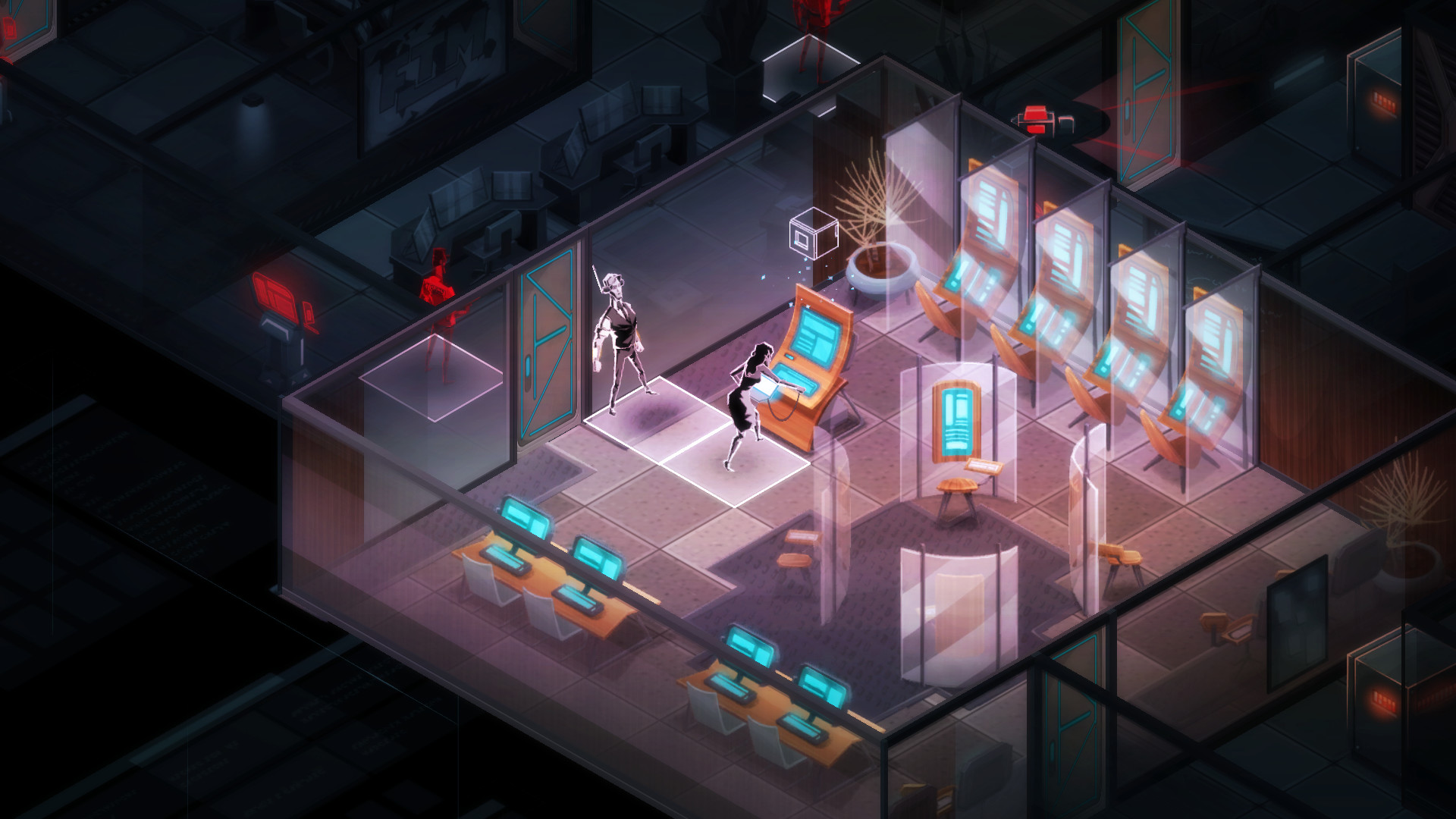
Why it fits: limited information, action points, guards, cameras, hacking, and a ticking campaign clock make stealth a resource-allocation problem. Best for: tense turn-based infiltration with procedural missions. Know before playing: a compromised mission can damage the entire campaign, and perfect information is deliberately unavailable.
8. Shadow Tactics: Blades of the Shogun
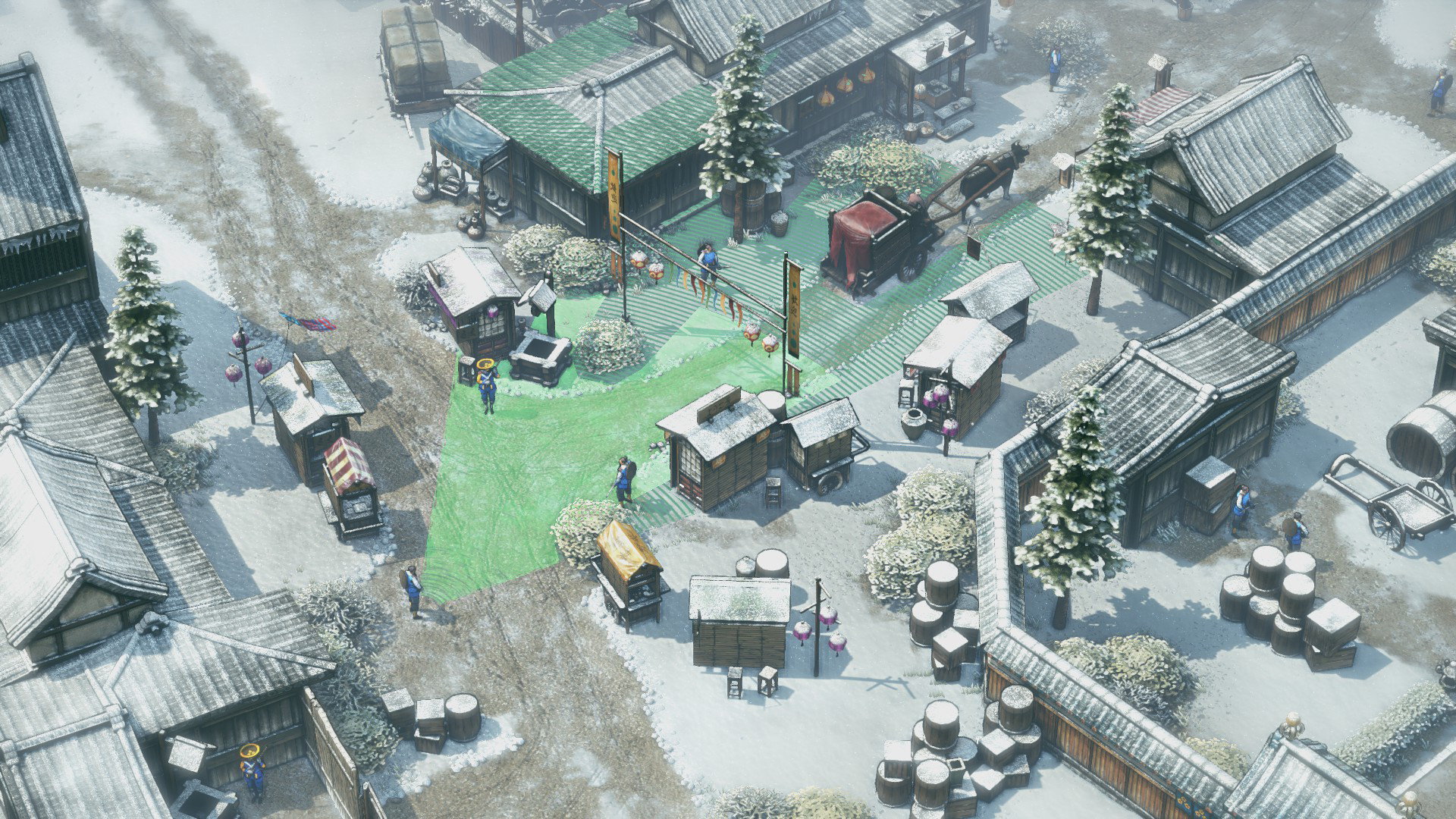
Why it fits: patrol routes, sight cones, timing, specialist abilities, and synchronized actions turn each large mission into a real-time tactical plan. Best for: patient stealth players who enjoy executing a rehearsed sequence. Know before playing: it rewards frequent saving and careful observation more than improvisational combat.
Real-time strategy, defense, and construction
RTS is one branch of Strategy, not a synonym for the whole genre. Choose this branch when economy, production, expansion, and control happen under a running clock.
9. Rusted Warfare – RTS
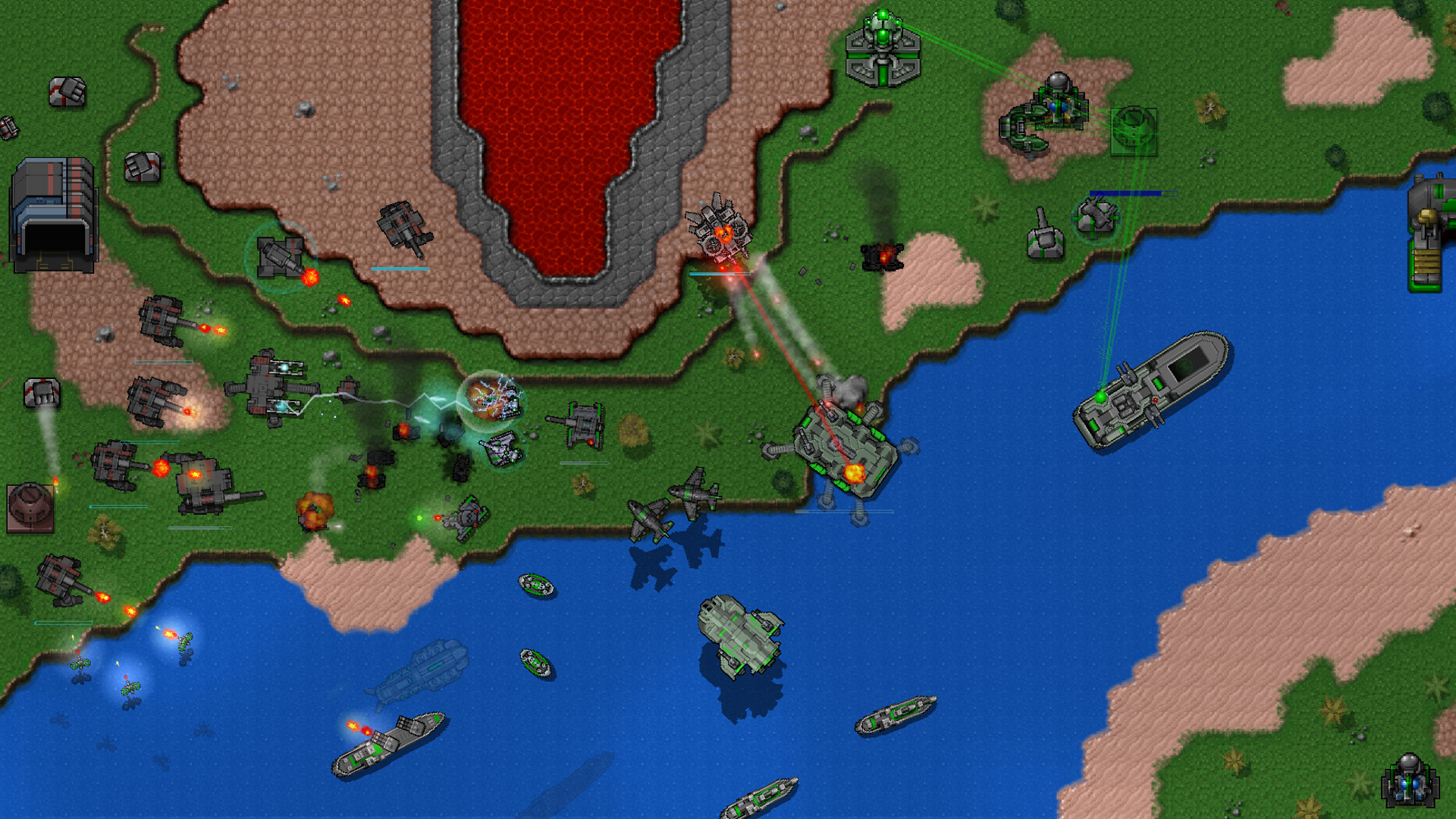
Why it fits: bases, economy, land, air, and naval units support large classic skirmishes without replacing the familiar RTS grammar. Best for: players who want scale, mods, and direct unit control. Know before playing: the retro visuals and straightforward presentation are functional rather than cinematic.
10. Creeper World 3: Arc Eternal
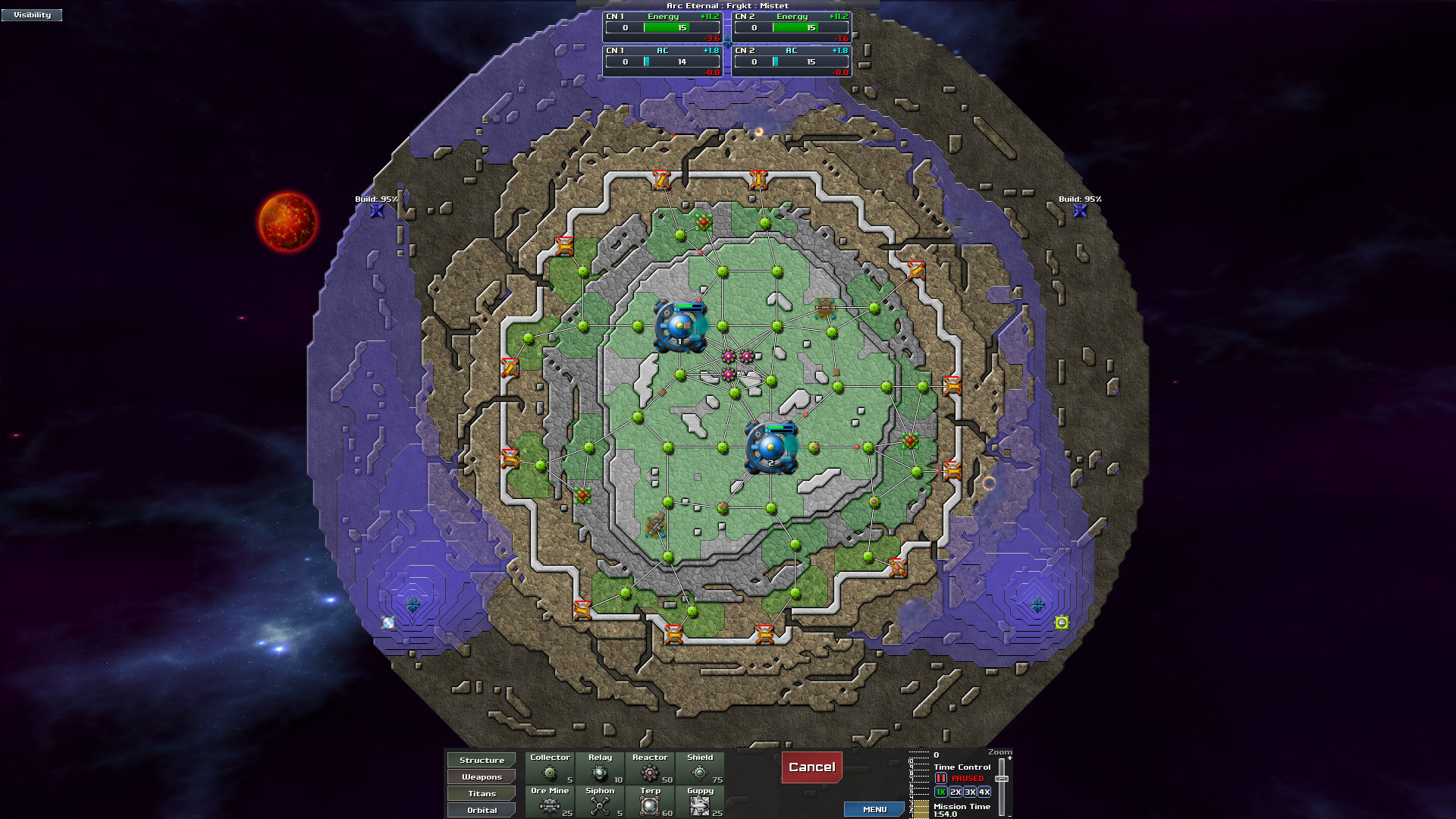
Why it fits: energy networks, elevation, weapons, expansion, and a fluid enemy turn territorial defense into continuous pressure. Best for: players who want RTS planning against a systemic opponent rather than normal armies. Know before playing: the abstract presentation and long-form defense maps feel unlike a conventional campaign RTS.
11. Airships: Conquer the Skies
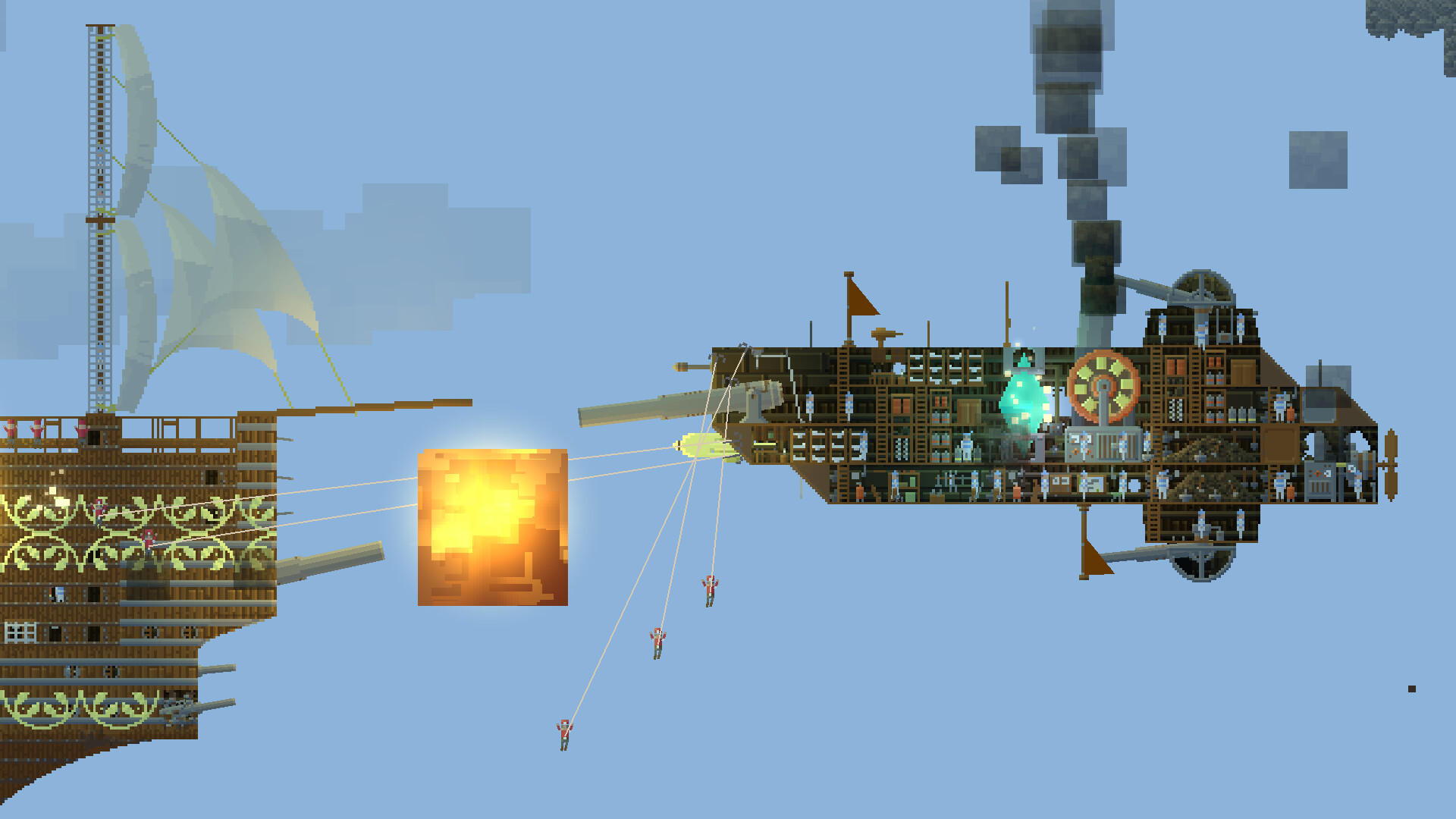
Why it fits: module placement, weight, lift, weapons, crew access, and strategic conquest connect vehicle design to battlefield results. Best for: players who want to build the machine before commanding it. Know before playing: effective designs require experimentation, and battles can expose structural mistakes abruptly.
Deckbuilding, roguelike decisions, and compact planning
Choose this branch when strategy should arrive as repeated runs, card choices, route decisions, or a small board rather than an empire. The Deckbuilding archive is the narrower owner for games where constructing a deck is the central system.
12. Slay the Spire
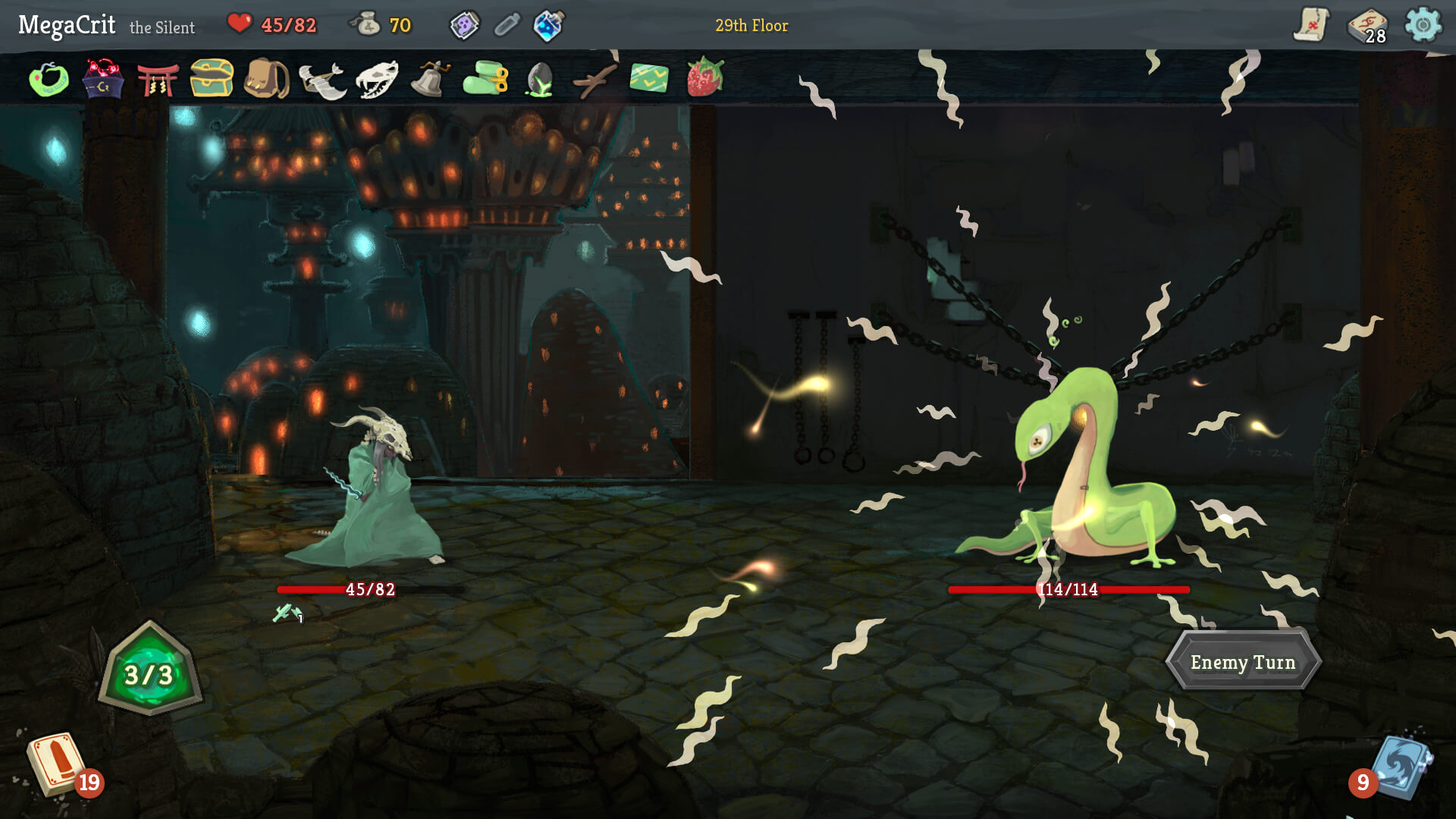
Why it fits: every card, removal, relic, route, and health trade changes what the deck can reliably do later. Best for: players who want strategic depth in repeatable runs. Know before playing: success depends on learning enemies and abandoning attractive cards that do not serve the current deck.
13. Balatro

Why it fits: poker hands become raw material for an economy of jokers, deck changes, probabilities, and scoring multipliers. Best for: quick runs with large combinatorial payoffs. Know before playing: it uses poker language but is not a realistic poker simulation, and failed runs are expected.
14. Inscryption
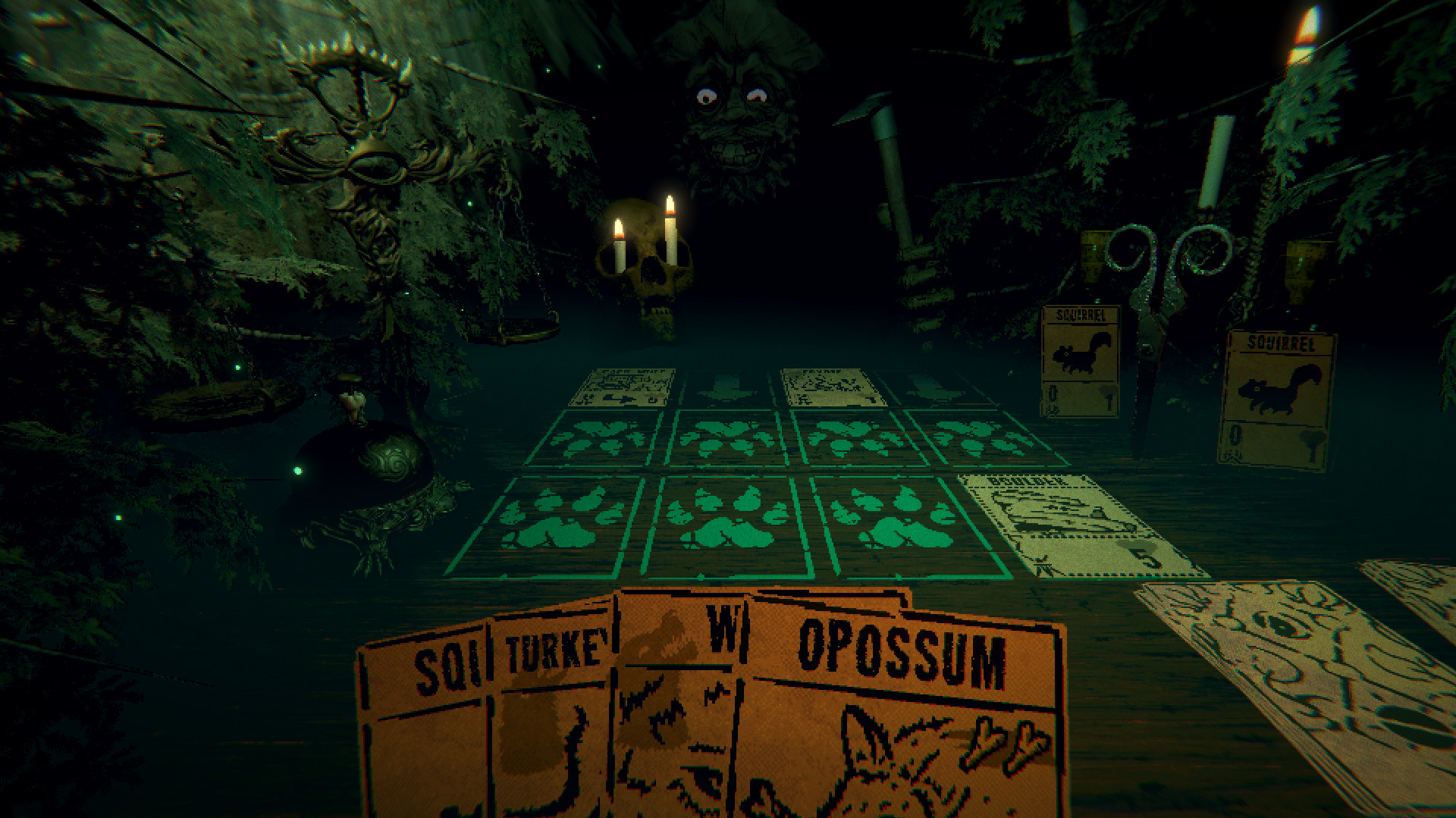
Why it fits: card economy, sacrifice, deck changes, observation, and escape-room details keep changing the strategic frame. Best for: players who want discovery and horror wrapped around card decisions. Know before playing: detailed explanations spoil its structural surprises, and its later forms may challenge players attached to the opening rules.
15. FTL: Faster Than Light
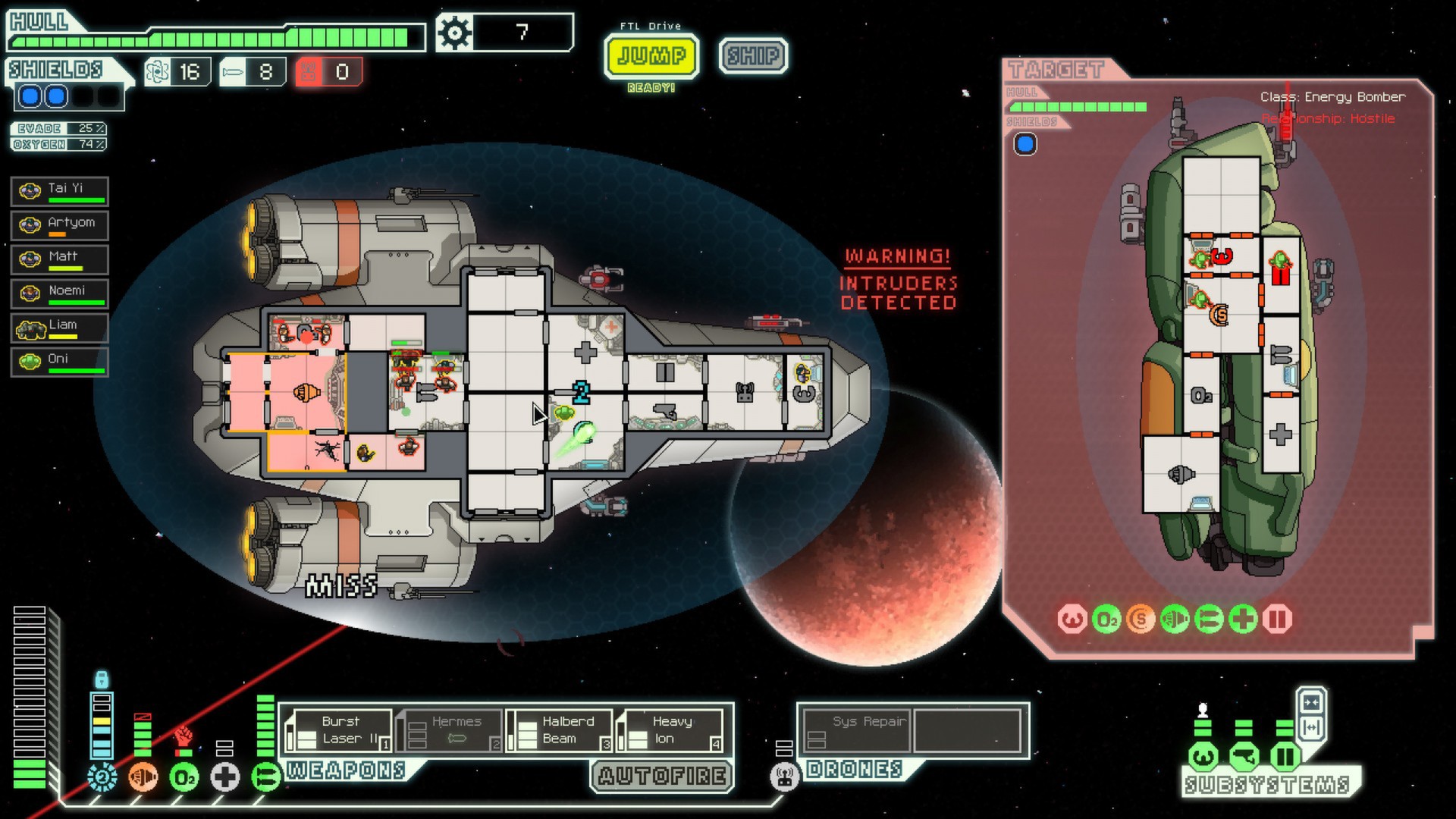
Why it fits: crew positions, subsystem power, targeting, boarding, fuel, scrap, and route choices compress a campaign into constant triage. Best for: compact systemic stories and high replayability. Know before playing: random events can end a promising run, and the final encounter demands knowledge the early sectors do not teach gently.
16. Dorfromantik
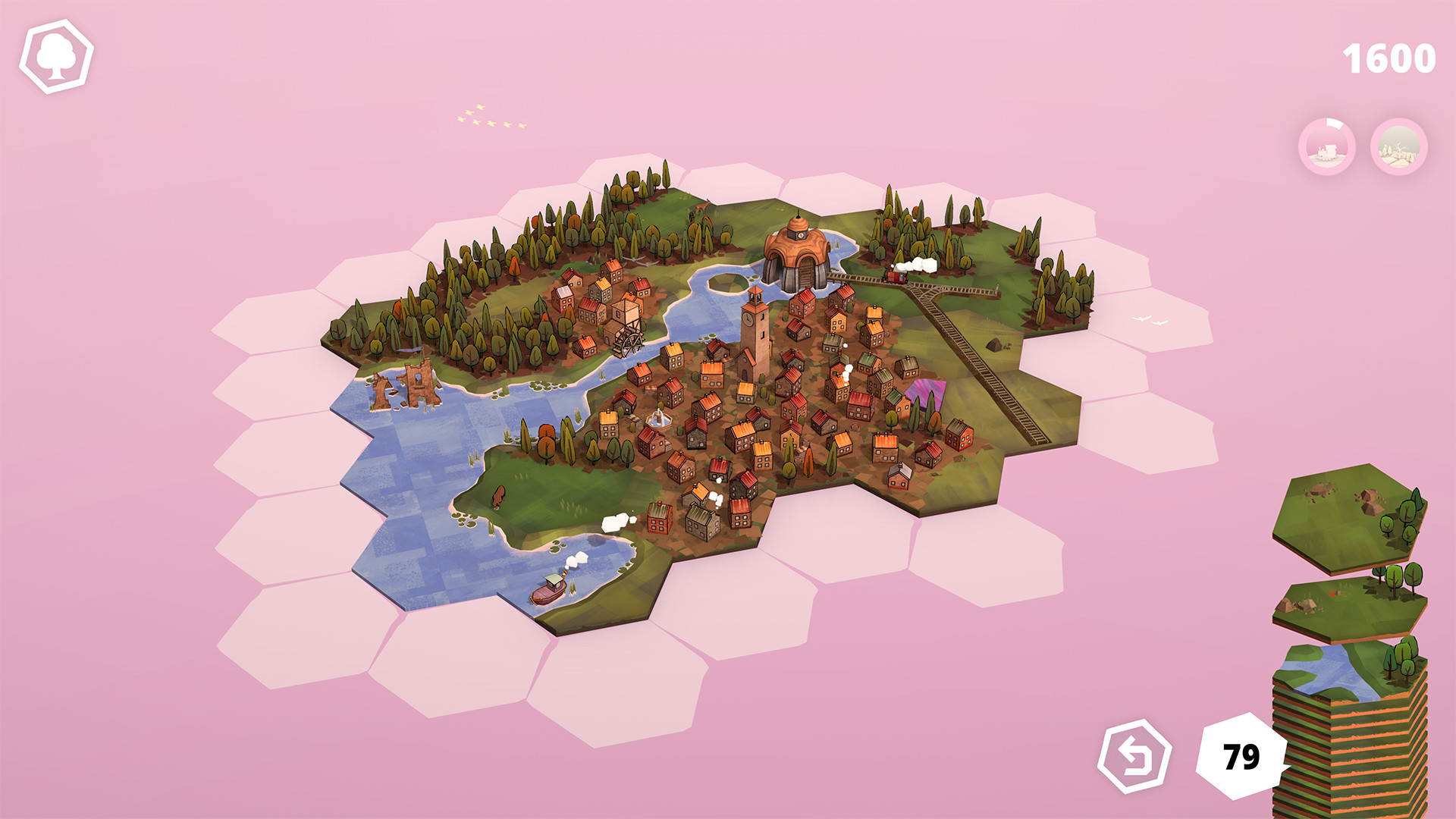
Why it fits: tile edges, biomes, quests, chains, and a shrinking stack of future options create strategy without combat or urgent timers. Best for: calm spatial planning and short sessions. Know before playing: players seeking opponents, armies, or complex economies should choose another branch.
How this Strategy archive decides what counts
The archive uses governed Strategy taxonomy evidence, including current genre and approved tag relationships. The editorial examples use a stricter standard: the game must ask the player to plan across several decisions, understand consequences, or allocate limited resources in a way that substantially shapes success.
The full archive is intentionally broader than these examples. Strategy labeling can include hybrids, puzzle games, simulations, card games, management systems, and occasional edge cases. Archive membership is not the same as a universal recommendation; open a game page to inspect screenshots, stored tags, review signals, platform details, and the current Steam link.
Choose a narrower strategy path
- Turn-Based games for discrete turns and action order.
- Deckbuilding games for constructing a deck as the central progression system.
- Management games for people, production, operations, and long-term tradeoffs.
- Base Building games for layout, expansion, defense, and infrastructure.
- Automation games for production chains, logistics, and self-running systems.
- Low-End PC Strategy guide for a reviewed hardware-focused shortlist rather than the broad genre archive.
Refine the full Strategy catalog
Already know what matters? Open Strategy in the catalog filters, then combine it with co-op, controller support, short sessions, low-end PC signals, a mood, or a narrower mechanic. Filter results remain navigation pages; the canonical Strategy archive stays here.
Strategy games FAQ
What is a strategy game?
A strategy game makes planning and consequences central. The player allocates resources, positions units, builds systems, manages risk, or chooses a sequence of actions whose value becomes clear over time. A single upgrade tree or occasional tactical choice is not enough by itself.
What is the difference between strategy and RTS?
Strategy is the broad genre. RTS means real-time strategy: economy, production, movement, and combat continue while the clock runs. Turn-based tactics, colony simulation, deckbuilding, defense, and planning puzzles can all be Strategy without being RTS.
Which strategy game is easiest to start with?
Tactical Breach Wizards explains turn-based tactics clearly and allows rewinding actions. Dorfromantik offers low-pressure spatial planning. Into the Breach is compact and readable, but its consequences are less forgiving.
Which strategy game has the deepest management systems?
Dwarf Fortress offers the broadest simulation depth here, while RimWorld is easier to read as a character-driven colony story. Oxygen Not Included focuses more tightly on engineering and life-support systems.
Which strategy games work well in short sessions?
Into the Breach, Balatro, Slay the Spire, FTL, and Dorfromantik all divide play into compact battles, runs, sectors, or tile decisions. A complete campaign can still take longer than one sitting.
Are deckbuilders really strategy games?
They can be when deck construction, probabilities, resource use, route choice, and long-term synergy determine success. The narrower Deckbuilding page excludes games where cards are only presentation or a small side mechanic.
Are all games in the archive indie?
Indie Lantern is built for indie discovery, but archive evidence can include hybrids and edge cases from changing store classifications. Use each game page and current Steam listing to verify developer, publisher, availability, and exact genre information.
Do strategy games require a powerful PC?
Not automatically. Visual simplicity does not guarantee performance, and large simulations can stress a processor even with modest graphics. Use the Low-End PC Strategy guide and compare current minimum requirements with your actual hardware.
Updated: July 27, 2026. Archive membership, Steam genres, community tags, prices, platform support, online services, and requirements can change.