This is a low-spec indie guide, not a retro-download archive. The list favors games whose design remains readable and rewarding on modest hardware, then links every recommendation to its stored Steam requirements.
Start with the quick picks, choose a gameplay style, and verify the exact CPU, memory, graphics, storage, and operating-system notes for your machine.
Editorial selection: July 22, 2026. The two-game Windows requirements comparison below was checked on October 10, 2026.
Two tactical picks: check the graphics support before the RAM
FTL and Into the Breach are already in this collection, and both list a Windows minimum of 1 GB RAM. That shared number hides a useful difference for an old laptop: the graphics API and integrated-GPU caveats are different. Check those before deciding which kind of tactical challenge you want.
The table below uses the current Windows requirements checked on 10 October 2026, rather than a benchmark of our own. It covers these two picks, not a fresh hardware certification of every game in the collection. The game RAM minimum is not a promise that a whole Windows-and-Steam setup can run comfortably with that much total memory.
| Game | CPU and game RAM minimum | Graphics and display notes | Listed drive space |
|---|---|---|---|
| FTL: Faster Than Light | 2 GHz; 1 GB RAM | OpenGL 2.0; minimum resolution 1280 × 720. The listing recommends a dedicated card with 128 MB graphics RAM and says some integrated Intel HD cards can work but are not officially supported. | 175 MB |
| Into the Breach | 1.7+ GHz; 1 GB RAM | OpenGL 2.1 or higher; Intel HD 3000 or better. | 400 MB |
Sources: Subset Games’ official Steam listings for FTL and Into the Breach. Clock speed alone does not rank two different processors, and meeting a minimum does not establish a frame rate on your machine. A label such as “Intel HD” is too broad to settle the graphics question: compare the exact chip and its available driver/API support.
An old game OS row is not current Steam-client support
FTL’s game requirements still name Windows XP, Vista and 7; Into the Breach names Vista, 7, 8 and 10. Both store pages carry a separate notice that Steam’s client supports Windows 10 and later. Read that client notice alongside the game row before planning a Steam purchase on an older operating system. These historical game requirements do not establish current client access or support for every Windows architecture. Check the current requirements for your chosen storefront as well as the game.
Ship systems or a visible tactical problem?
Choose FTL if the appealing decision is how to keep a ship functioning under pressure: distribute power, order crew around damaged rooms and decide which enemy system to target. Combat can be paused to assess the situation and issue orders. That gives you time to think, but the run still carries the consequence of permanent defeat. Its low memory requirement says nothing about how forgiving those decisions will be.
Choose Into the Breach if you want a turn-based battlefield where enemy attacks are shown in advance. Protecting civilian buildings matters because they supply your power; a useful move can prevent damage rather than simply defeat an enemy. The choice is about reading the threatened spaces and finding a counter, rather than juggling a ship’s simultaneous systems.
This distinction follows the official descriptions and visible gameplay in the store trailers. We have not benchmarked either game on your hardware. If the graphics or storefront requirements do not fit, treat that as a reason to check another pick in the collection, not as a problem solved by having enough RAM.
How we chose these games
We combine central gameplay quality, sustained player confidence, and the hardware evidence stored from Steam. A light visual style alone is not enough, and the Low-End PC Friendly label is treated as a discovery signal rather than a benchmark guarantee.
Quick picks
| Game | Best for | Why it fits | Know before playing |
|---|---|---|---|
| FTL: Faster Than Light | Pause-friendly tactics | Ship management and pausable combat keep the challenge in decisions rather than visual load. | Small interface text can be uncomfortable at very low resolutions. |
| Into the Breach | Short tactical sessions | Compact battlefields make every move legible and keep sessions easy to resume. | Later islands become demanding even though the presentation stays light. |
| Terraria | Long sandbox play | A 2D world supports exploration, building, and boss progression across many hours. | Large worlds and multiplayer can increase load. |
| Undertale | Story-first RPG | Character choices and unusual combat carry the experience without graphics-heavy presentation. | Its deliberately retro presentation is central to the design. |
| A Short Hike | Gentle exploration | A compact stylized island keeps discovery readable and responsive on modest hardware. | The experience is deliberately short and low-pressure. |
How the list is organized
Tactics and planning
FTL: Faster Than Light, Into the Breach, Slay the Spire, Darkest Dungeon, Papers, Please.
Action and platforming
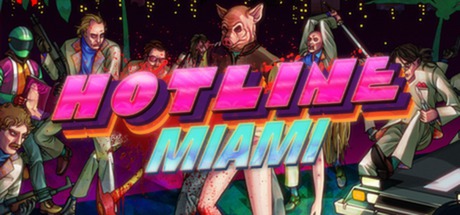
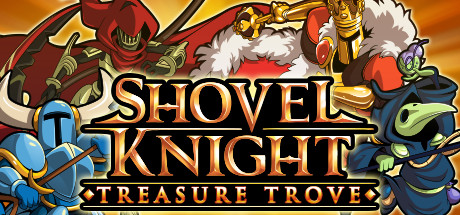
Hotline Miami, LIMBO, Shovel Knight: Treasure Trove, Celeste, The Binding of Isaac: Rebirth.
Long-form worlds
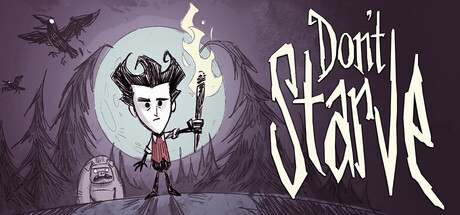
Terraria, Stardew Valley, Undertale, A Short Hike, Don't Starve.
Frequently asked questions
Does old PC mean retro games?
Not here. This page targets games that may suit weaker or older hardware; it is not a list of abandonware or classic downloads.
Will every game run without a dedicated graphics card?
No. Integrated-graphics suitability depends on the exact chip, driver, resolution, and game version, so use the stored requirements as a starting point and verify Steam before buying.
Games in this collection




Make this list fit you
Start with Low-end PC friendly already selected, then include or exclude the details that matter to you.