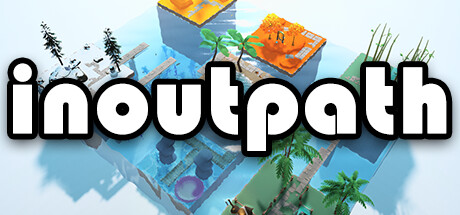
Puzzle Games on Steam by Puzzle Type
Puzzle games make understanding the problem the main form of progress. Some ask for strict deduction, some let you rewrite rules, some hide meaning in language or images, and others turn a room, machine, landscape, or conversation into the puzzle itself. This is Indie Lantern’s broad Puzzle archive, with quick paths into the kind of thinking you actually want.
The full archive currently contains 509 tagged games. The examples below are a smaller editorial layer, not a hard limit or a universal ranking. Every featured game has a published Indie Lantern page, current Puzzle evidence, an official Steam product response, and a matching gameplay screenshot.
Quick paths into puzzle games
| Game | Best for | What you are solving | Watch out for |
|---|---|---|---|
| Baba Is You | Rule-changing logic | Which words must become the rules of the level. | Later puzzles demand large conceptual leaps. |
| Patrick’s Parabox | Recursive spatial logic | How boxes and rooms can contain one another. | Recursion can be mentally disorienting. |
| Chants of Sennaar | Language deduction | How unfamiliar symbols map to meaning and culture. | Observation and note-taking matter more than speed. |
| Return of the Obra Dinn | Mystery deduction | Who people are and what happened aboard a lost ship. | Guessing can obscure the intended chain of evidence. |
| The Talos Principle | First-person puzzle chambers | How tools, barriers, beams, and timing connect. | Philosophical reading is a substantial part of the experience. |
| Keep Talking and Nobody Explodes | Two-player communication | How one player describes a device while another reads the manual. | It requires a willing partner and clear verbal coordination. |
| A Little to the Left | Short organizing puzzles | Which visual pattern makes everyday objects feel ordered. | Some alternate solutions are intentionally subjective. |
| Dorfromantik | Relaxed tile planning | How each landscape tile preserves future options and completes quests. | Score optimization can add more pressure than the calm art suggests. |
Pure logic, rules, and constructed systems
Choose this branch when the puzzle can be understood as a clean system: every move has a reason, and success comes from discovering the rule rather than searching a large world. These games range from compact deduction grids to open-ended engineering.
1. Baba Is You
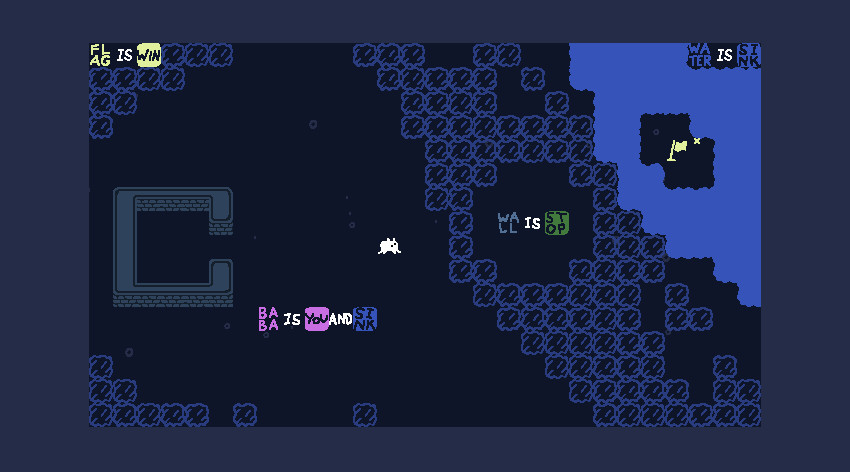
Why it fits: words on the grid form active rules, so moving a sentence can change what is solid, controllable, dangerous, or required for victory. Best for: players who enjoy discovering a new logic and then using it against the level. Know before playing: the friendly presentation hides an uncompromising difficulty curve.
2. Patrick’s Parabox

Why it fits: familiar box-pushing becomes recursive when boxes contain rooms, rooms contain themselves, and scale becomes part of movement. Best for: spatial thinkers who want one idea explored with exceptional clarity. Know before playing: understanding the rules does not stop the nested spaces from becoming wonderfully confusing.
3. Hexcells Infinite
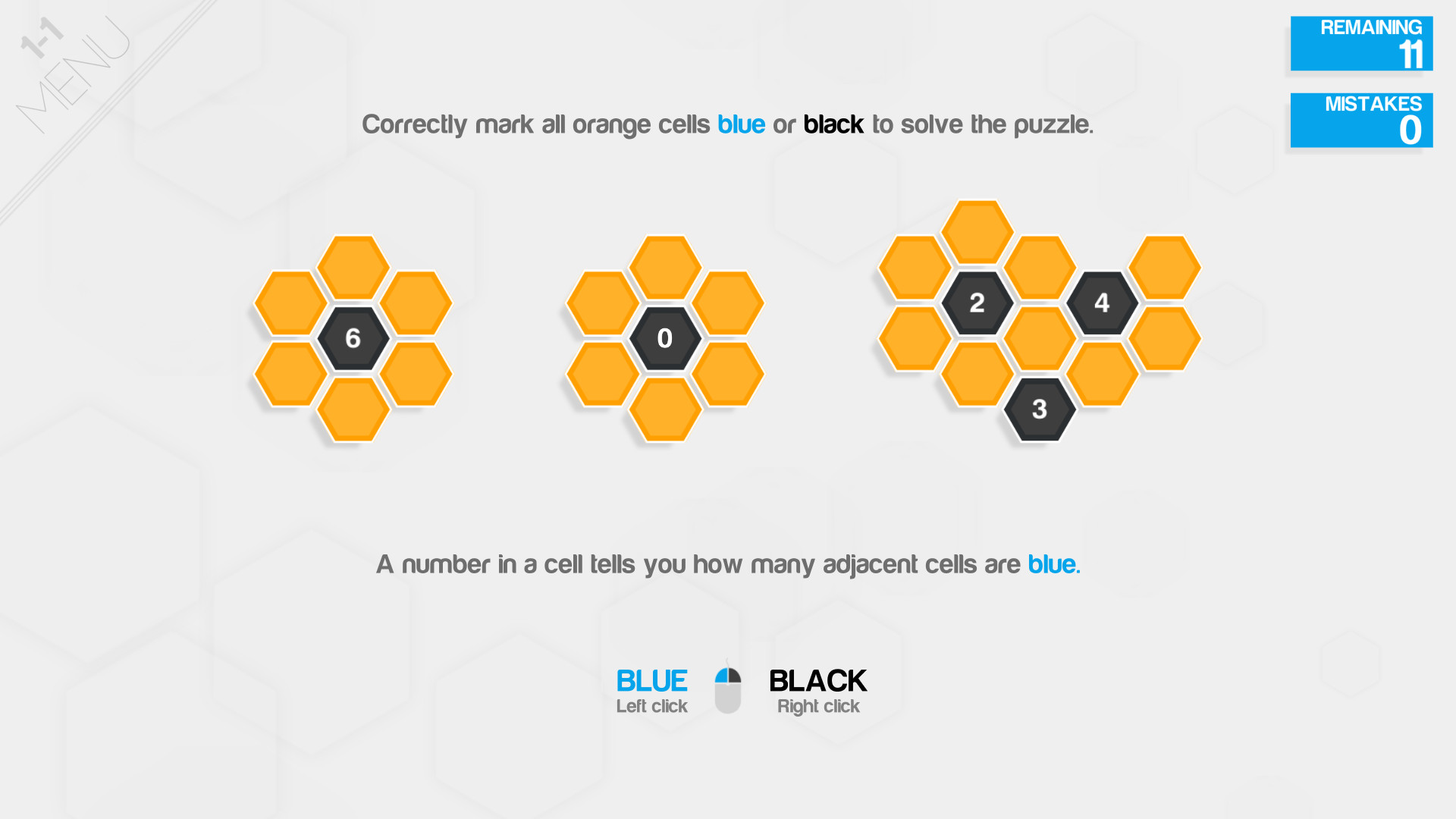
Why it fits: numbered clues, line constraints, and marked cells create a quiet deduction chain with no need to guess when the board is read correctly. Best for: players who want concentrated logic in short sessions. Know before playing: presentation and story are deliberately minimal; the deduction is the whole attraction.
4. Opus Magnum
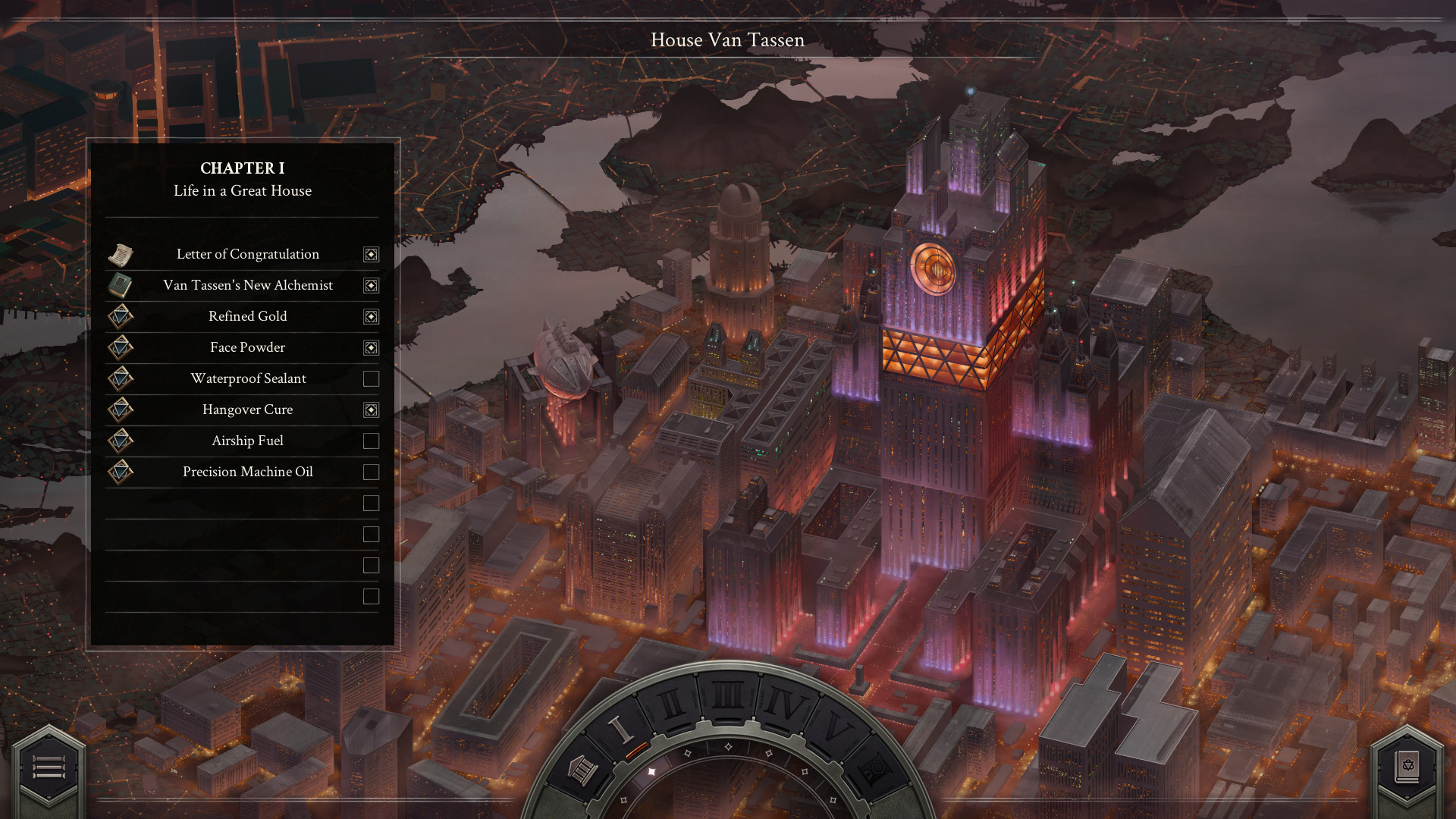
Why it fits: programmable arms, tracks, reagents, and outputs let many machines solve the same specification, then compare cost, area, and speed. Best for: players who want creative engineering rather than one hidden answer. Know before playing: a working solution is only the beginning if optimization hooks you.
Language, mystery, images, and escape-box deduction
Choose this branch when the answer is embedded in context. You will infer a language, reconstruct events, inspect an object, or connect images. The Story Rich archive is the narrower path when narrative matters as much as the puzzle, but not every story-driven game is puzzle-first.
5. Chants of Sennaar
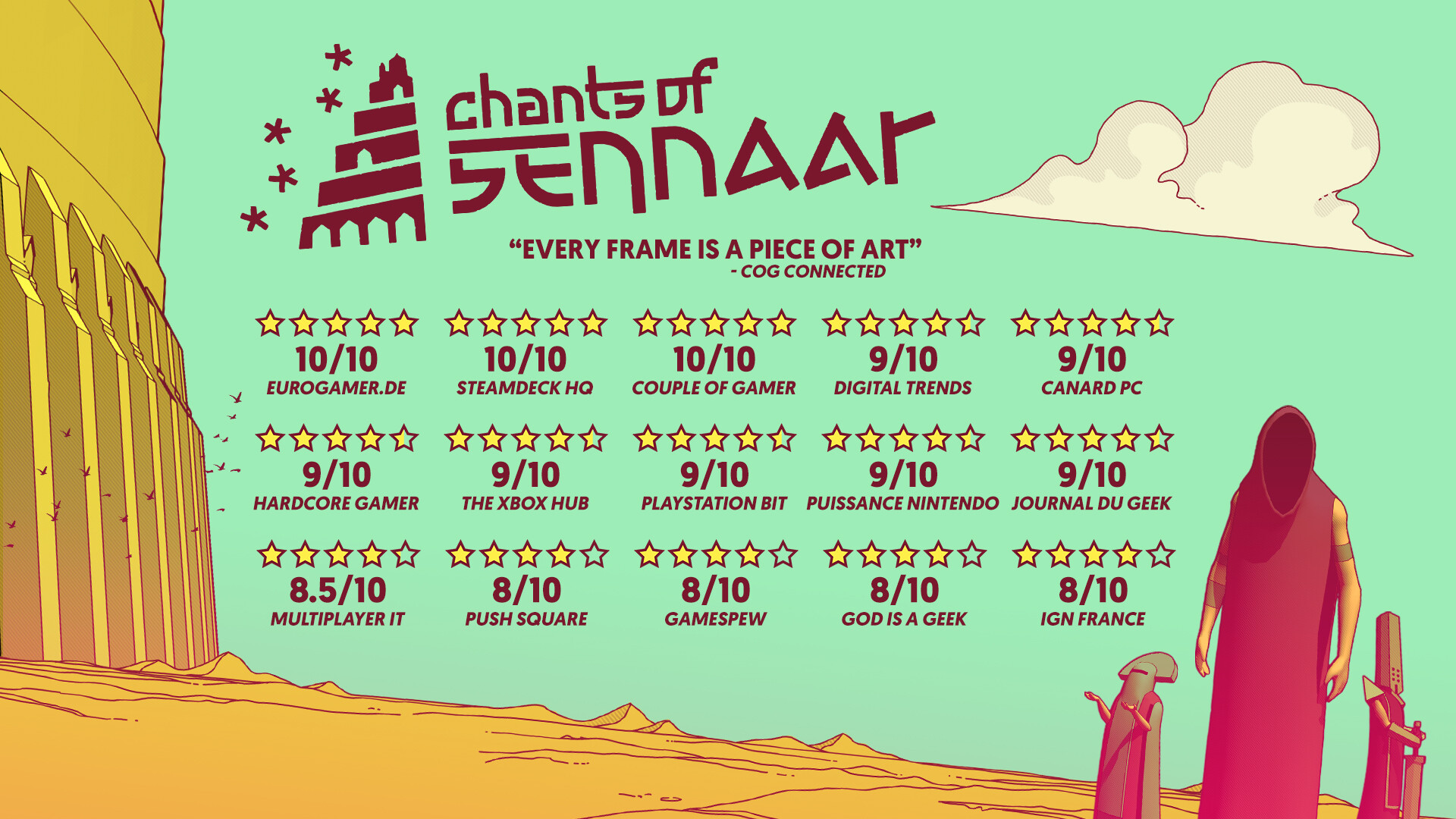
Why it fits: gestures, signs, repeated symbols, social context, and a notebook turn communication into cumulative deduction. Best for: players who enjoy building meaning from partial evidence. Know before playing: progress can stall when one earlier observation was misread or missed.
6. Return of the Obra Dinn

Why it fits: faces, uniforms, accents, locations, relationships, and frozen moments must be cross-referenced to identify a ship’s crew and their fates. Best for: patient detectives who want evidence to matter. Know before playing: it is easy to brute-force entries, but doing so weakens the satisfaction of a real deduction.
7. The Room
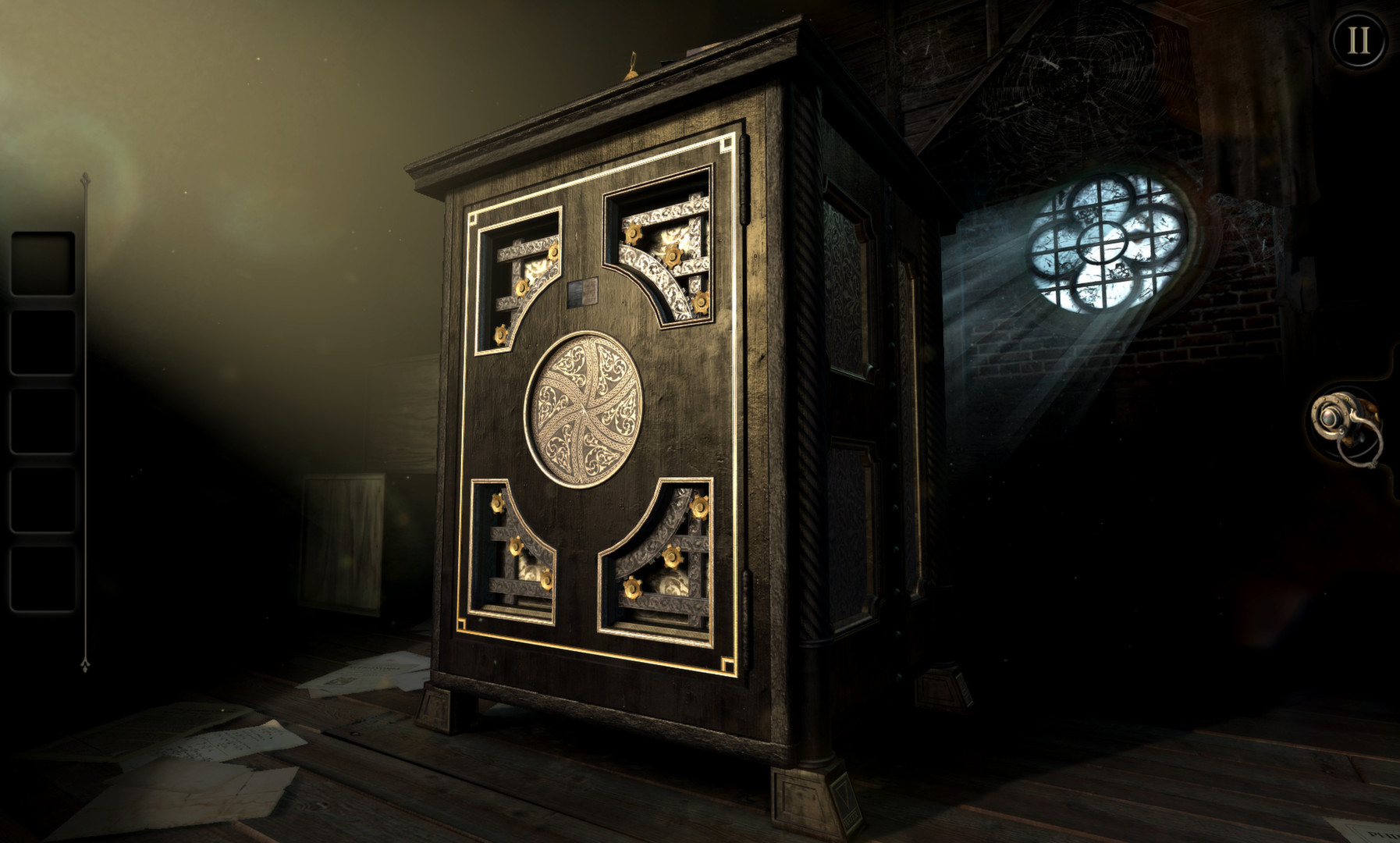
Why it fits: drawers, lenses, mechanisms, symbols, and hidden compartments make one intricate object feel like a sequence of tactile discoveries. Best for: players who want a focused escape-box atmosphere without a large world. Know before playing: interaction is guided and the campaign is compact compared with a full escape-room collection.
8. Gorogoa

Why it fits: illustrated panels can be layered, separated, reframed, and connected so that perspective itself becomes the interaction. Best for: visual thinkers who want a concise handcrafted journey. Know before playing: it is short, and some connections rely on poetic association rather than formal logic.
First-person, spatial, and perspective puzzles
Choose this branch when movement through a place is part of the reasoning. The challenge may involve beams and barriers, impossible architecture, connected signs, or a perspective that changes what the world permits.
9. The Talos Principle
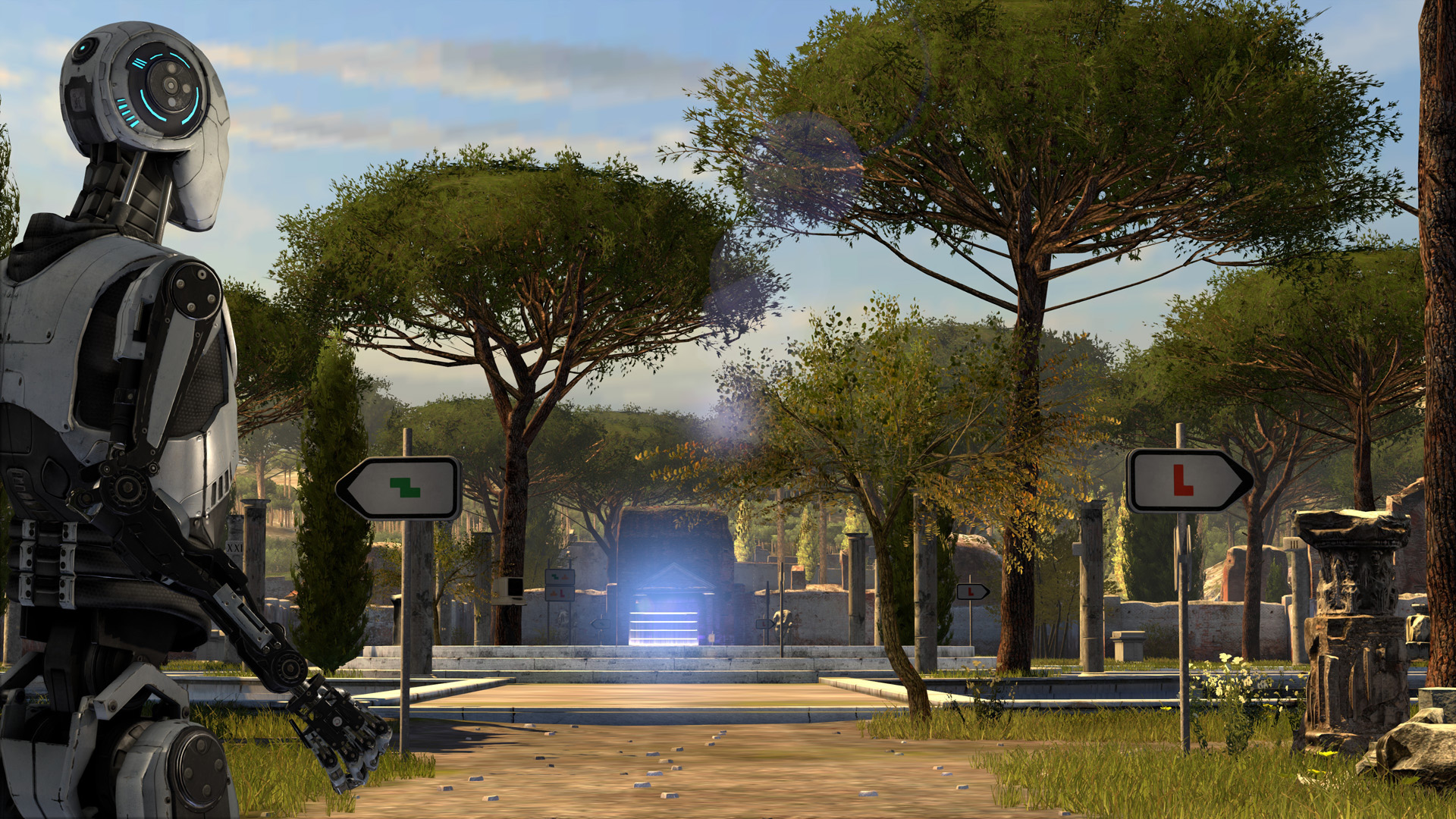
Why it fits: connectors, jammers, recorders, barriers, and timing are introduced in readable chambers, then recombined into demanding multi-step plans. Best for: players who want substantial first-person puzzles with philosophical context. Know before playing: optional stars can be much more obscure than the main route.
10. Antichamber
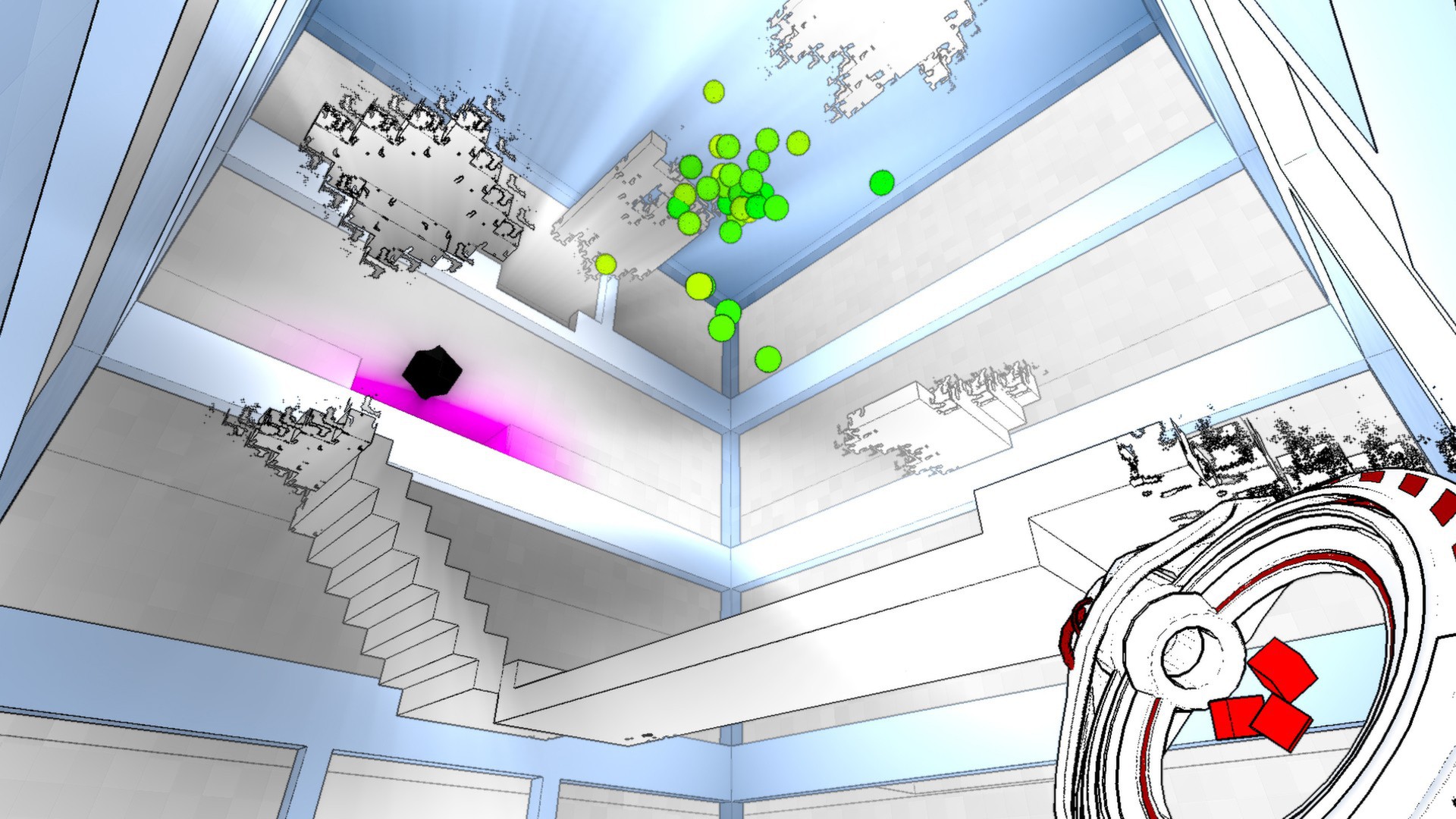
Why it fits: corridors, distance, observation, and cause-and-effect refuse normal spatial assumptions, forcing the player to learn how this world behaves. Best for: explorers who enjoy being productively disoriented. Know before playing: minimal guidance and non-linear progress can make a fair insight feel like being lost.
11. The Pedestrian
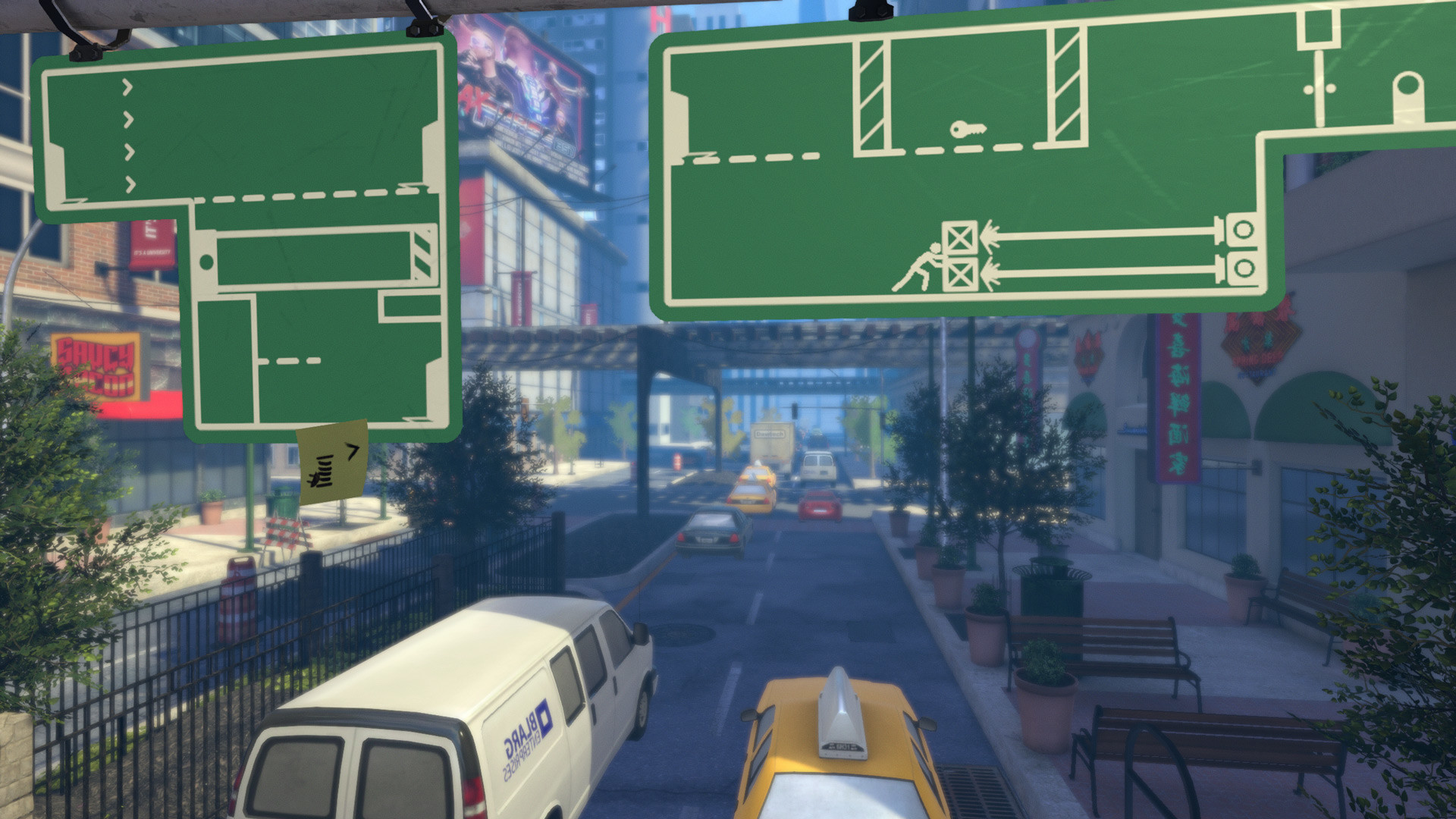
Why it fits: doors, ladders, switches, and exits are rearranged across signs while the physical city around them provides scale and context. Best for: players who want spatial sequencing with a strong visual identity. Know before playing: later sections add timing and execution after the route is understood.
12. Monument Valley

Why it fits: rotating architecture and impossible perspective create paths that exist visually even when they could not exist physically. Best for: approachable, elegant spatial puzzles with low friction. Know before playing: it is more meditative than difficult and can be completed relatively quickly.
Co-op communication and relaxed puzzle play
Choose this branch when you want puzzles to be social, tactile, or calm. The Co-op archive covers games built for shared play, while the Relaxing archive is broader than puzzle games and may include little or no deduction.
13. Keep Talking and Nobody Explodes
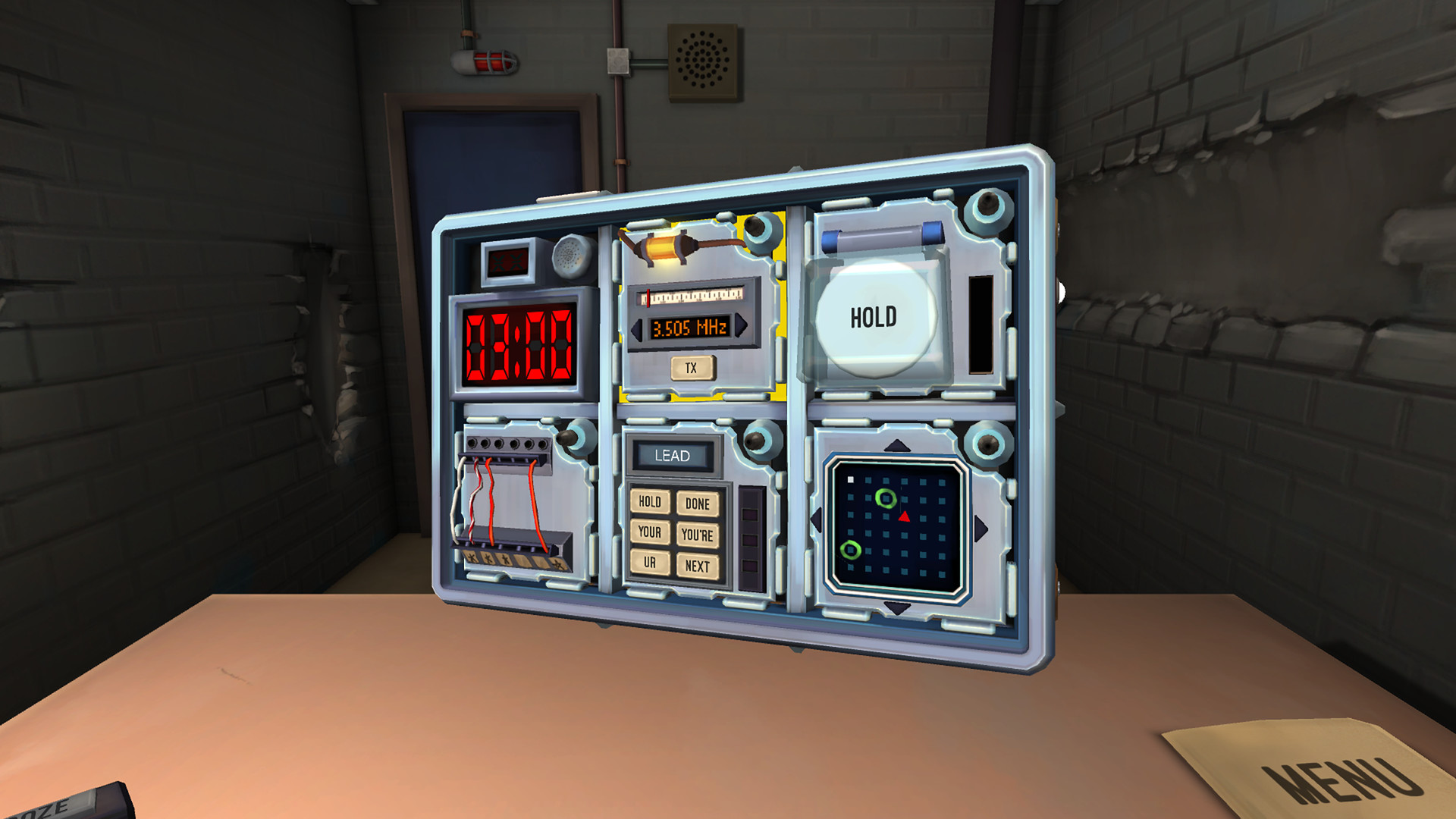
Why it fits: one player sees the device while other players see the manual, making precise description, lookup, and confirmation the actual puzzle system. Best for: pairs or groups who enjoy communication under pressure. Know before playing: timers and preventable misunderstandings can make it stressful rather than relaxing.
14. Escape Simulator
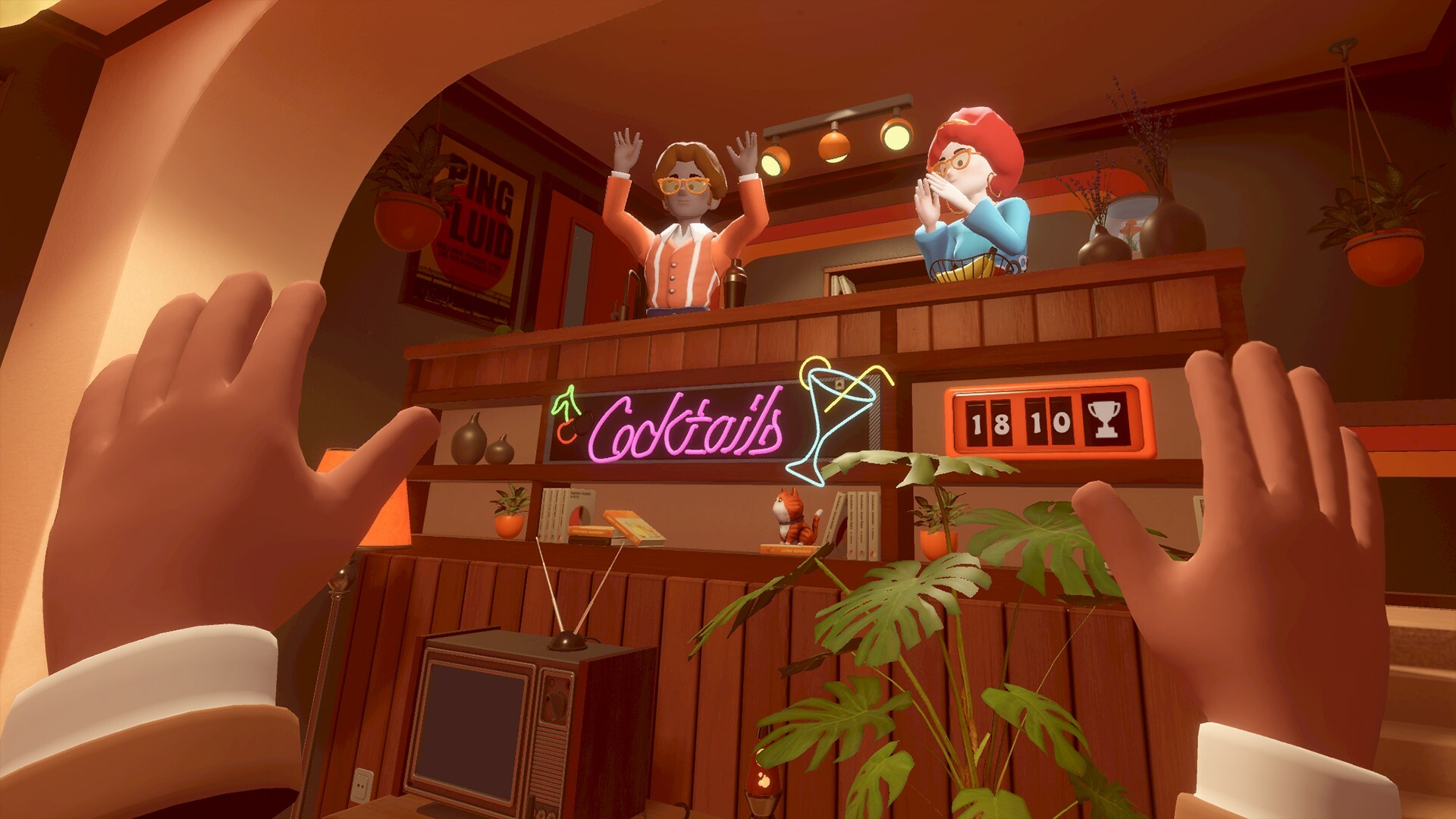
Why it fits: rooms combine object inspection, codes, inventory clues, spatial search, and mechanisms, with both solo and online co-op support. Best for: players who want repeatable escape-room sessions and community-made rooms. Know before playing: co-op can turn careful observation into noisy object handling unless the group coordinates.
15. A Little to the Left
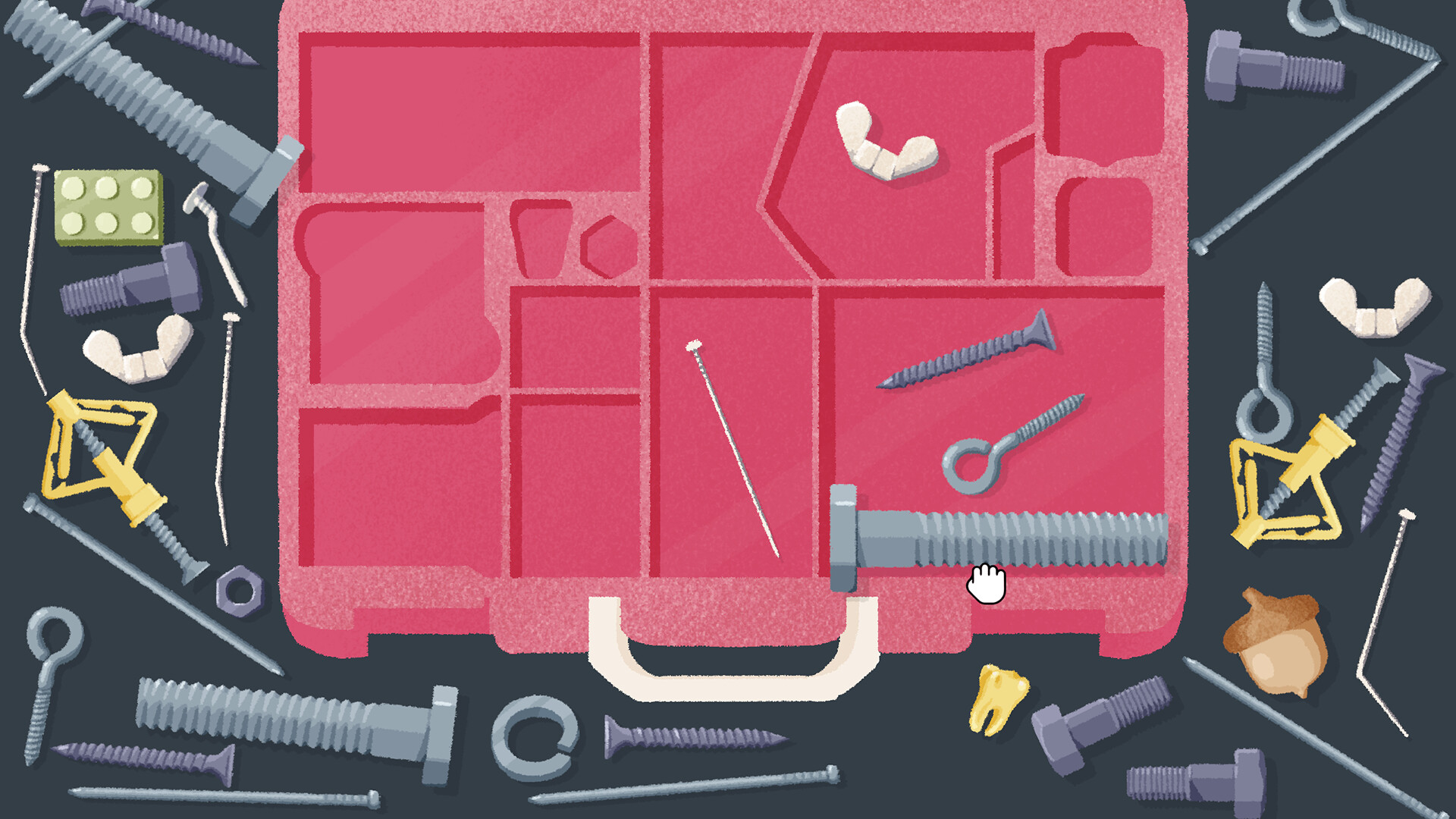
Why it fits: sorting, symmetry, color, shape, and everyday habits turn small arrangements into self-contained visual puzzles. Best for: short sessions and players who find order satisfying. Know before playing: the intended pattern can feel subjective, although hints and alternate solutions reduce frustration.
16. Dorfromantik
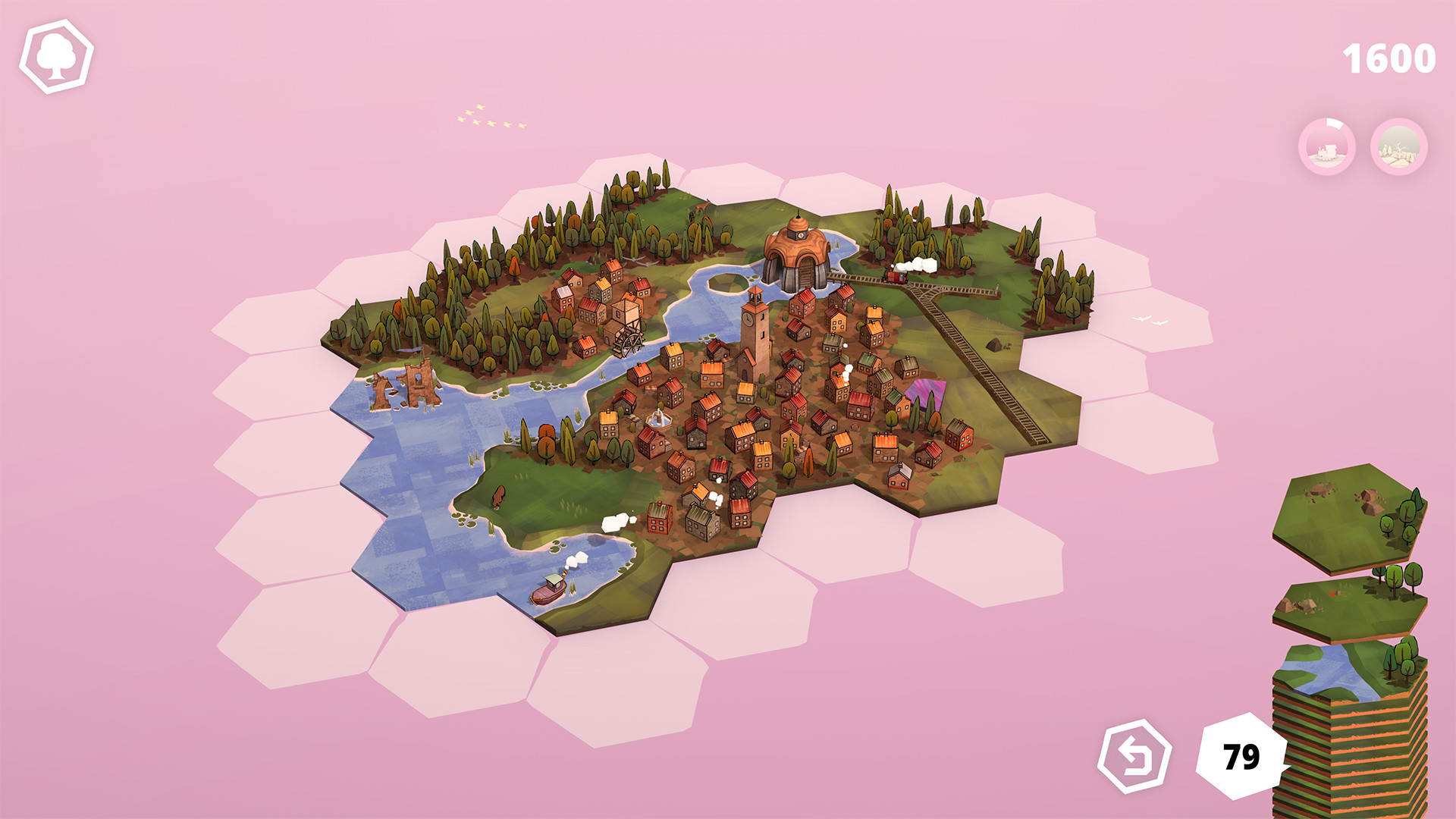
Why it fits: matching terrain edges, extending chains, completing quests, and preserving placement space turn every tile into a gentle planning problem. Best for: calm replayable sessions without enemies or a running timer. Know before playing: chasing high scores and perfect placements can make the experience less passive than it first appears.
How this Puzzle archive decides what counts
The archive uses governed Puzzle feature evidence from current store and approved tag relationships. The editorial examples use a stricter standard: understanding, deduction, arrangement, experimentation, or communication must drive progress rather than appear as an occasional locked door or side activity.
The full archive is intentionally broader than these examples. Adventure, horror, strategy, platforming, automation, hidden-object, and casual games can all contain meaningful puzzle systems. Archive membership is not the same as a universal recommendation; open a game page to inspect screenshots, stored tags, review signals, platform details, and the current Steam link.
Choose a narrower puzzle path
- Co-op games for shared problem-solving and communication.
- Story Rich games when narrative context matters as much as the puzzle.
- Short games for compact experiences and easier one-session choices.
- Controller Friendly games when input comfort matters.
- Relaxing games for lower-pressure play across puzzles and other genres.
Refine the full Puzzle catalog
Already know what matters? Open Puzzle in the catalog filters, then combine it with co-op, controller support, short sessions, low-end PC signals, a mood, or another mechanic. Filter results remain navigation pages; the canonical Puzzle archive stays here.
Puzzle games FAQ
What is a puzzle game?
A puzzle game makes understanding and solving a problem the main route to progress. The player may deduce a rule, rearrange space, interpret evidence, manipulate a system, recognize a pattern, or communicate incomplete information. Occasional riddles or locked doors do not make every adventure a puzzle-first game.
Which puzzle game is easiest to start with?
Monument Valley introduces perspective puzzles gently, A Little to the Left uses familiar household patterns, and Dorfromantik allows calm experimentation. The first levels of Baba Is You are readable, but its later puzzles become much harder.
Which puzzle games are best for pure logic?
Hexcells Infinite focuses on deduction, Patrick’s Parabox develops recursive spatial rules, and Baba Is You turns language into formal logic. Opus Magnum is more open-ended because many machines can satisfy the same goal.
Which puzzle games have strong stories?
Chants of Sennaar connects language to its world, Return of the Obra Dinn makes deduction the investigation, and The Talos Principle surrounds its chambers with philosophical questions. Gorogoa tells more through imagery and association than dialogue.
Which puzzle games can I play with another person?
Keep Talking and Nobody Explodes is built around asymmetric communication. Escape Simulator supports online co-op as well as solo play. Check the current Steam listing before assuming local, online, or cross-platform support.
Are puzzle games relaxing?
Some are. Dorfromantik, Monument Valley, and A Little to the Left avoid combat and can feel calm, but difficulty, perfectionism, timers, or obscure clues can still create pressure. Relaxing describes player experience, not the whole Puzzle category.
Do puzzle games have only one correct solution?
Not always. Hexcells and many escape-room clues usually have a specific logical conclusion. Opus Magnum supports many working machines, Dorfromantik supports many landscapes, and some organizing puzzles accept alternate patterns.
Do puzzle games require a powerful PC?
Many use compact scenes or stylized graphics, but visual simplicity does not guarantee compatibility. Compare the current minimum requirements with your hardware, especially for first-person 3D games, VR support, and online co-op.
Updated: July 27, 2026. Archive membership, Steam tags, prices, platform support, online services, and requirements can change.