A base-building game belongs here only when construction repeatedly changes what you can produce, protect, automate, or survive. Decorative housing and occasional upgrades are not enough.
The list separates factory design, colony management, and survival bases so players can choose the building loop they actually want.
Original selection: July 22, 2026. Production-management comparison updated October 15, 2026.
How we chose these games
Every selection was checked for a central, repeatable construction loop. We favor games where layout, expansion, defense, logistics, or inhabitant needs create meaningful decisions throughout play.
Factory, workforce or life support: what happens when you expand?
If you want both people to manage and production chains to build, start with the problem you want to solve when output falls behind. These three existing picks make expansion depend on different things.
| Existing pick | Before you add more production | What that asks of you |
|---|---|---|
| Factorio | Follow the materials feeding the new machines. Splitting an already stretched supply across more lines redistributes the shortage. | Improve supply and transport together with the factory layout. Choose this when tracing a production chain is the attraction. |
| RimWorld | Look at the people available for the work: their backgrounds, abilities, injuries and needs matter alongside the rooms you build. | Plan around a particular group of colonists. Choose this when managing the workforce is as interesting as constructing the settlement. |
| Oxygen Not Included | Check temperature, power circuits and the oxygen situation alongside the new machinery and pipe routes. | Keep several life-support systems working together. Choose this when diagnosing the environment is part of the building puzzle. |
Factorio: more machines need a better-fed chain
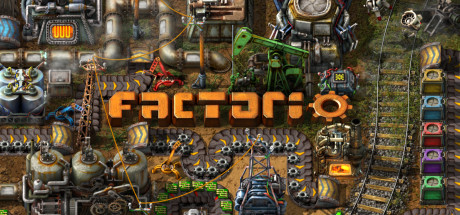
Suppose you expand an assembly area but keep drawing from the same limited supply. A tidier belt split does not create extra ingredients. The Factorio Wiki’s main-bus tutorial explains this distinction: shortages need more upstream production, with transport to match. A bus is one layout approach, not a required blueprint.
That is a useful fit test: do you want to follow an ingredient back through the factory and redesign the route? Factorio’s official description centers automated production and infrastructure, alongside exploration and defense. It is the strongest fit of these three for a reader whose main interest is the machine network.
RimWorld: a workshop is only part of the workforce
A new work area does not tell you whether your current settlers are suited to its jobs. The developer’s description makes backgrounds affect capabilities and work restrictions, while injuries and needs also affect the people you rely on. For an expansion decision, inspect the workforce as well as the floor plan.
Pick this direction if you want production decisions to involve individual lives and changing circumstances. Its appeal includes relationships, health and disruptive events; do not choose it solely to watch an impersonal assembly line grow.
Oxygen Not Included: inspect the system around the room
Here, “the machine has a place to stand” is an incomplete expansion check. Klei’s official explanation describes heat production, gas and liquid networks, power overloads and oxygen monitoring. Use the Oxygen Overlay to inspect air movement and carbon dioxide accumulation, and check the thermal and power consequences of your plan too.
This suits a reader who wants inhabitants and production to be tied to an environmental engineering problem. It also means people management is only part of the attraction: be prepared to spend attention on pipes, circuits and temperature.
These are source-backed fit comparisons, informed by the developers’ published gameplay footage; they are not claims of our own playtesting. They compare core loops, rather than expansion-pack content or measured difficulty. All three official Steam listings currently offer Windows, macOS and Linux versions; check the linked requirements for your particular machine.
Quick picks
| Game | Best for | Why it fits | Know before playing |
|---|---|---|---|
| Factorio | Factory optimization | Belts, machines, power, and expansion make the factory itself the central puzzle. | Optimization can become an enormous time commitment. |
| Oxygen Not Included | Engineering pressure | Heat, gases, liquids, power, and duplicant needs make every room functional. | Simulation complexity rises quickly. |
| RimWorld | Emergent colony stories | Rooms, production chains, defenses, and colonist needs turn layouts into stories. | Random events can undo careful plans. |
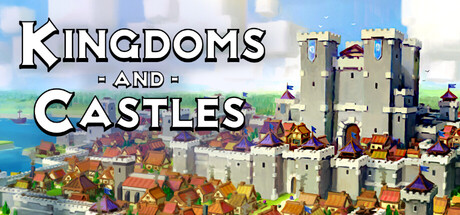
| Kingdoms and Castles | Accessible settlement growth | Roads, homes, services, food, and defense create a readable city-building loop. | It is lighter than the most detailed colony simulations. |
| Valheim | Co-op survival building | Shelter, crafting stations, defenses, and travel preparation give bases a clear purpose. | Progress also depends on exploration and combat. |
How the list is organized
Automation and production
Factorio, Satisfactory, Oxygen Not Included, Mindustry, shapez.
Colonies and settlements
RimWorld, Dwarf Fortress, Kingdoms and Castles, Reus 2.
Survival bases
Valheim, Raft, Aground, Emberward, Subnautica.
Frequently asked questions
What counts as a base-building game?
Construction must be a primary repeatable loop that changes production, survival, defense, logistics, or population management.
Are city builders and survival crafting games included?
Yes, when building is central. They are separated into groups because managing a settlement is a different experience from constructing a personal survival base.
Games in this collection








Make this list fit you
Start with Base Building already selected, then include or exclude the details that matter to you.