Psychological Horror Games by Fear Style
Psychological horror games make the mind part of the threat. They can unsettle through unreliable perception, fractured memory, guilt, identity, isolation, or a reality whose rules no longer feel dependable. This is Indie Lantern’s broad Psychological Horror archive, with spoiler-light paths into the kind of dread you want rather than one universal ranking.
The full archive currently contains 247 tagged games. The 16 examples below form a stricter editorial layer: each has a published Indie Lantern page, current Psychological Horror evidence, an official Steam product response, and a matching gameplay screenshot. A dark mood, psychological theme, or sad story alone is not enough unless fear substantially grows from the character’s or player’s uncertainty.
Quick paths into psychological horror games
| Game | Best for | How the mind becomes the threat | Watch out for |
|---|---|---|---|
| SIGNALIS | Survival horror with identity and memory | Fragmented recollection and unstable reality deepen every resource decision. | The story is deliberately elliptical and rewards interpretation. |
| SOMA | Philosophical science-fiction dread | Questions about consciousness and continuity remain disturbing beyond individual encounters. | Stealth sequences can interrupt the story-led pace. |
| OMORI | A long character-led RPG | Contrasting inner and everyday worlds make avoidance, memory, and consequence central. | Severe themes make current content guidance important. |
| Detention | Historical and cultural horror | A haunted school connects political fear with personal memory and guilt. | Its context and symbolism matter more than action. |
| Darkwood | Open-ended survival pressure | Limited information, hostile nights, and an altered forest keep perception uncertain. | The opening is punishing and progress can feel opaque. |
| FAITH: The Unholy Trinity | Minimalist religious panic | Sparse images and sound force imagination to fill the gaps. | The style and deliberate difficulty are uncompromising. |
| Mouthwashing | Compact narrative dread | Broken chronology and unreliable perspective turn a doomed crew into the horror. | It contains severe adult themes and graphic material. |
| Who’s Lila? | Experimental social unease | Controlling facial expressions makes ordinary conversation feel unstable. | Its logic is intentionally strange and resists a clean explanation. |
Identity, memory, and unreliable perception
Choose this branch when the central fear is not simply what chases you, but whether a memory, body, face, or point of view can be trusted. These games use survival systems, philosophy, social interaction, and metafiction in very different ways.
1. SIGNALIS
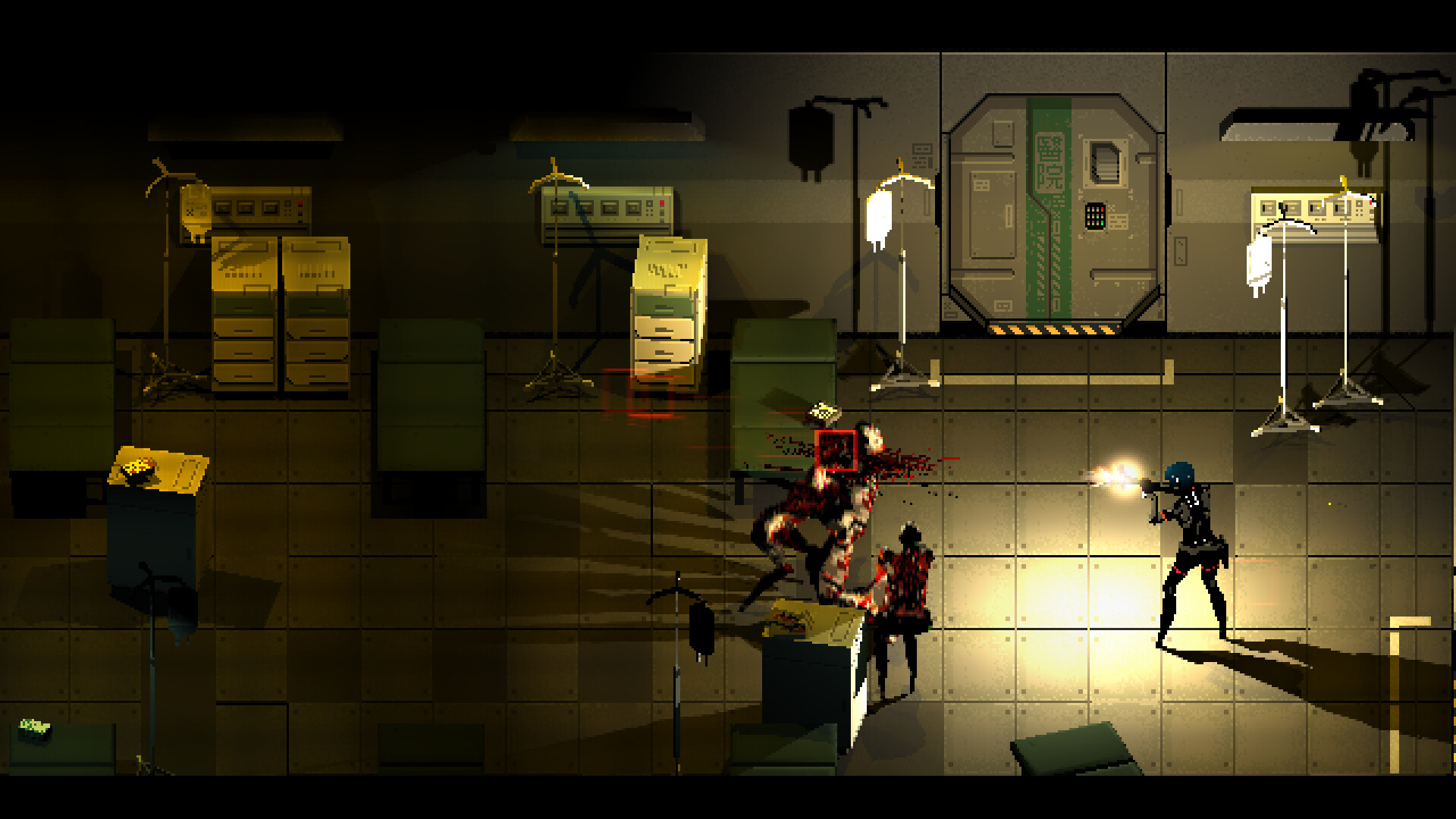
Why it fits: limited inventory, compact routes, recurring images, and fragmented recollection make identity and memory inseparable from the survival-horror loop. Best for: players who want classic resource pressure with a dense science-fiction mystery. Know before playing: the narrative is intentionally incomplete and should be interpreted rather than reduced to one exposition dump.
2. SOMA
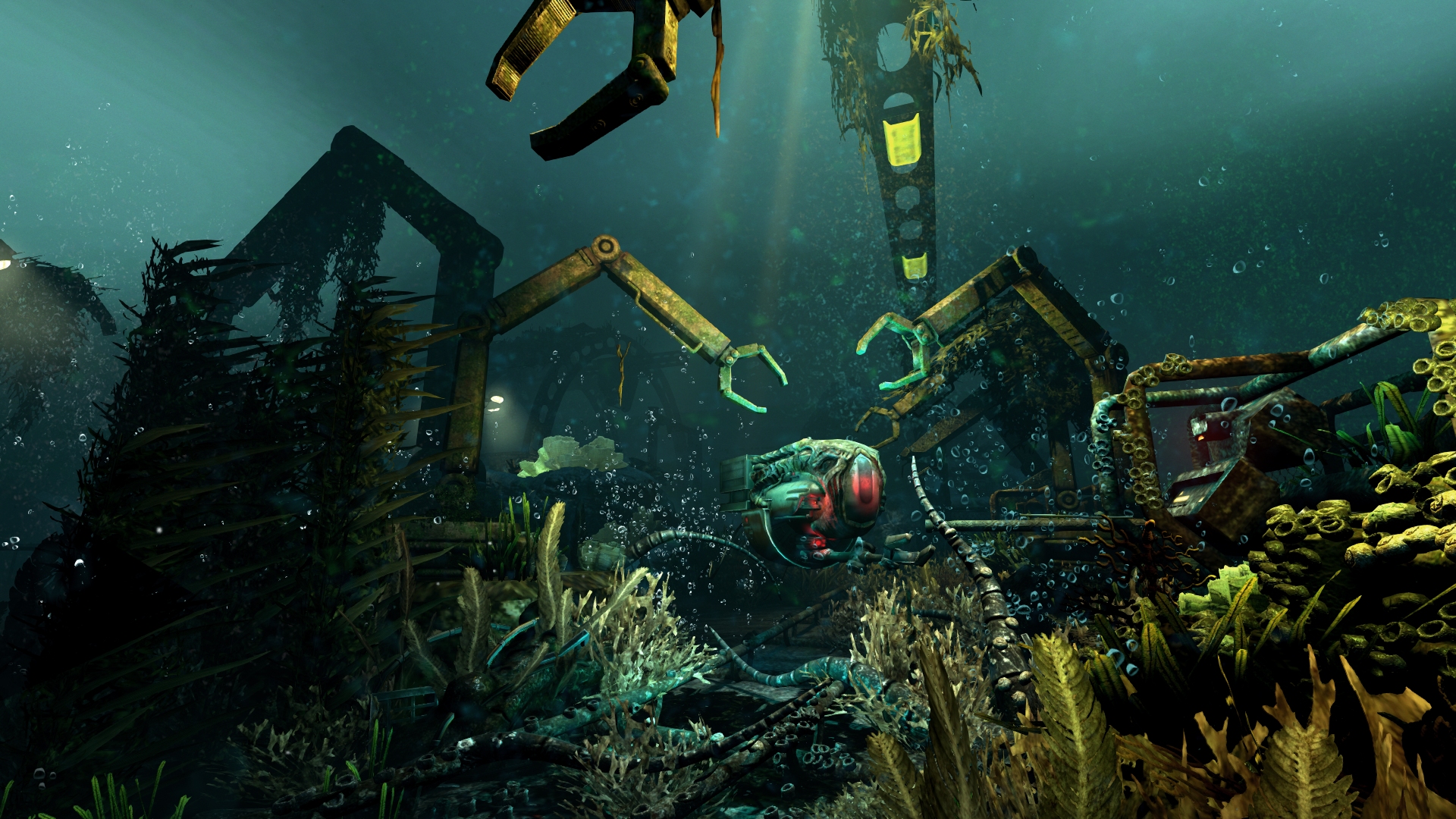
Why it fits: an isolated underwater facility frames questions about consciousness, copies, bodies, and what makes continuity feel real. Best for: players who want philosophical unease and environmental storytelling to linger after the immediate danger. Know before playing: hiding and pursuit are part of the experience even though the ideas carry more weight than combat.
3. Who’s Lila?
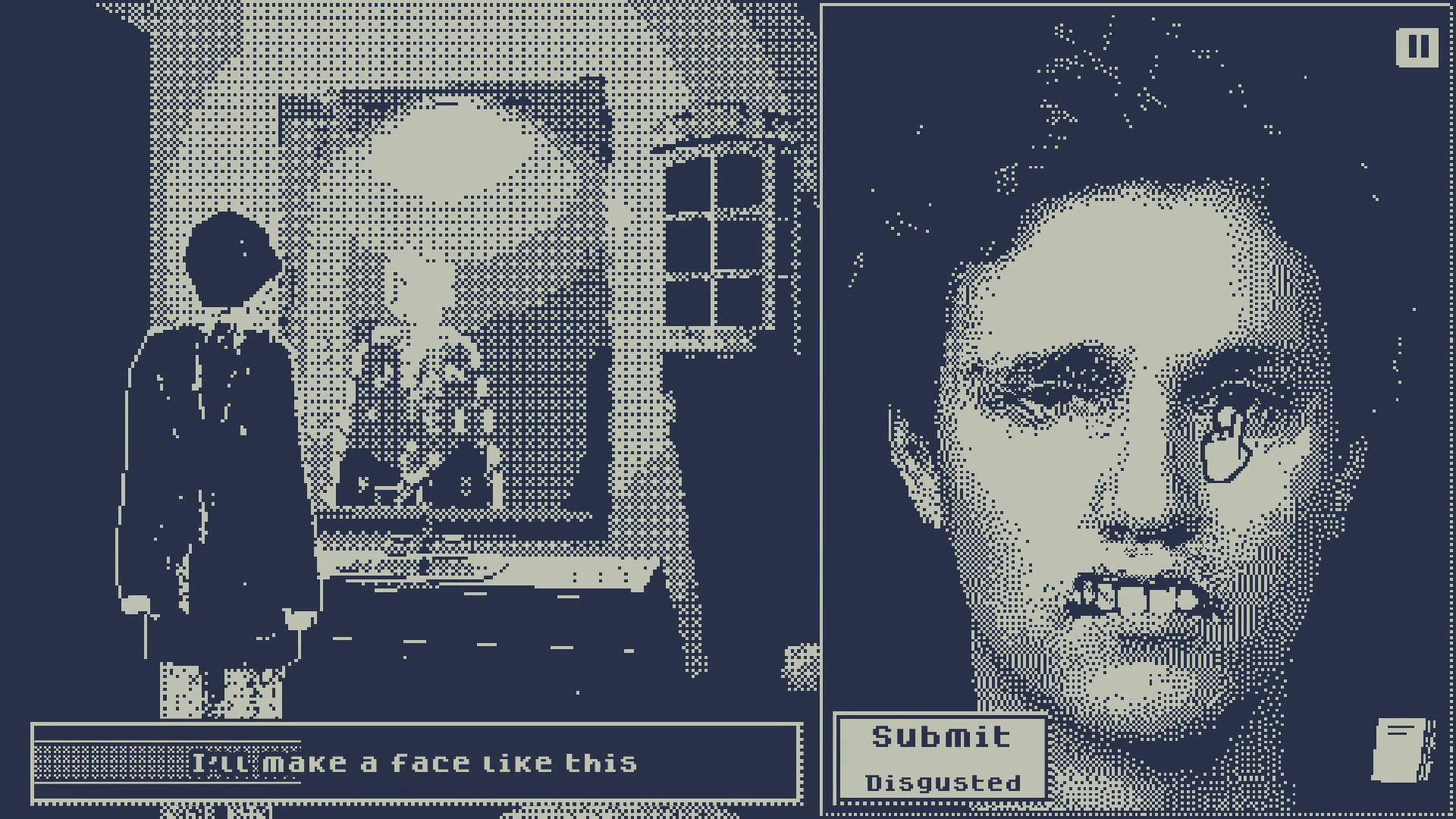
Why it fits: the player manually shapes a character’s face during conversations, turning social interpretation, concealment, and an unstable sense of self into mechanics. Best for: players who want one unusual interface to carry an experimental mystery. Know before playing: it is deliberately abrasive, nonlinear, and unwilling to explain every connection.
4. IMSCARED

Why it fits: low-resolution first-person spaces and interactions beyond the usual game window make the boundary between software and story feel unreliable. Best for: players who enjoy metafiction and being asked to question where progress is happening. Know before playing: its interface tricks and intentionally rough presentation can be inconvenient as well as unsettling.
Grief, guilt, and character-led dread
Choose this branch when personal history, relationships, or responsibility matter more than an external monster. The Story Rich archive offers a broader narrative route, but psychological horror requires the story to generate sustained fear or unease rather than merely discuss difficult emotions.
5. OMORI
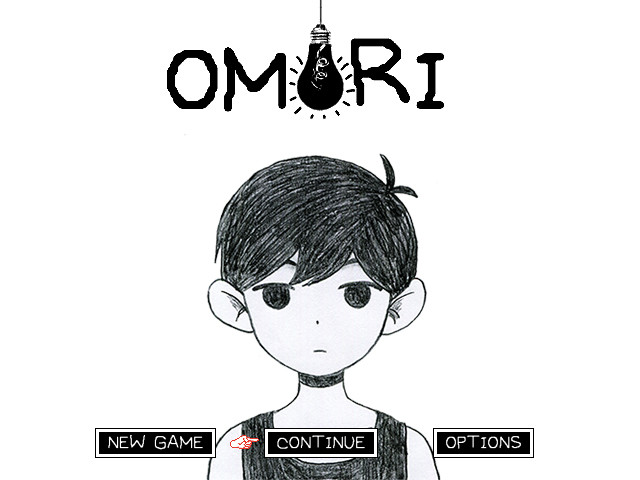
Why it fits: a bright turn-based RPG world sits beside a quieter reality, letting avoidance, memory, and consequence gradually reshape familiar places. Best for: players who want a substantial character journey rather than a short scare sequence. Know before playing: it covers severe mental-health and self-harm themes, so read current content guidance before starting.
6. Fran Bow
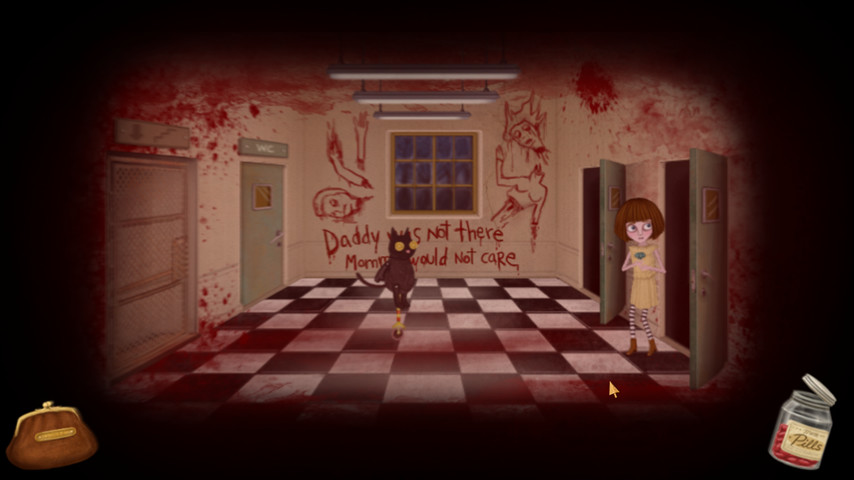
Why it fits: point-and-click exploration moves between ordinary and grotesque versions of the same world, keeping grief, perception, and institutional power in tension. Best for: players who want hand-drawn art, inventory puzzles, and a surreal journey. Know before playing: graphic imagery and child endangerment are central to the tone.
7. Detention
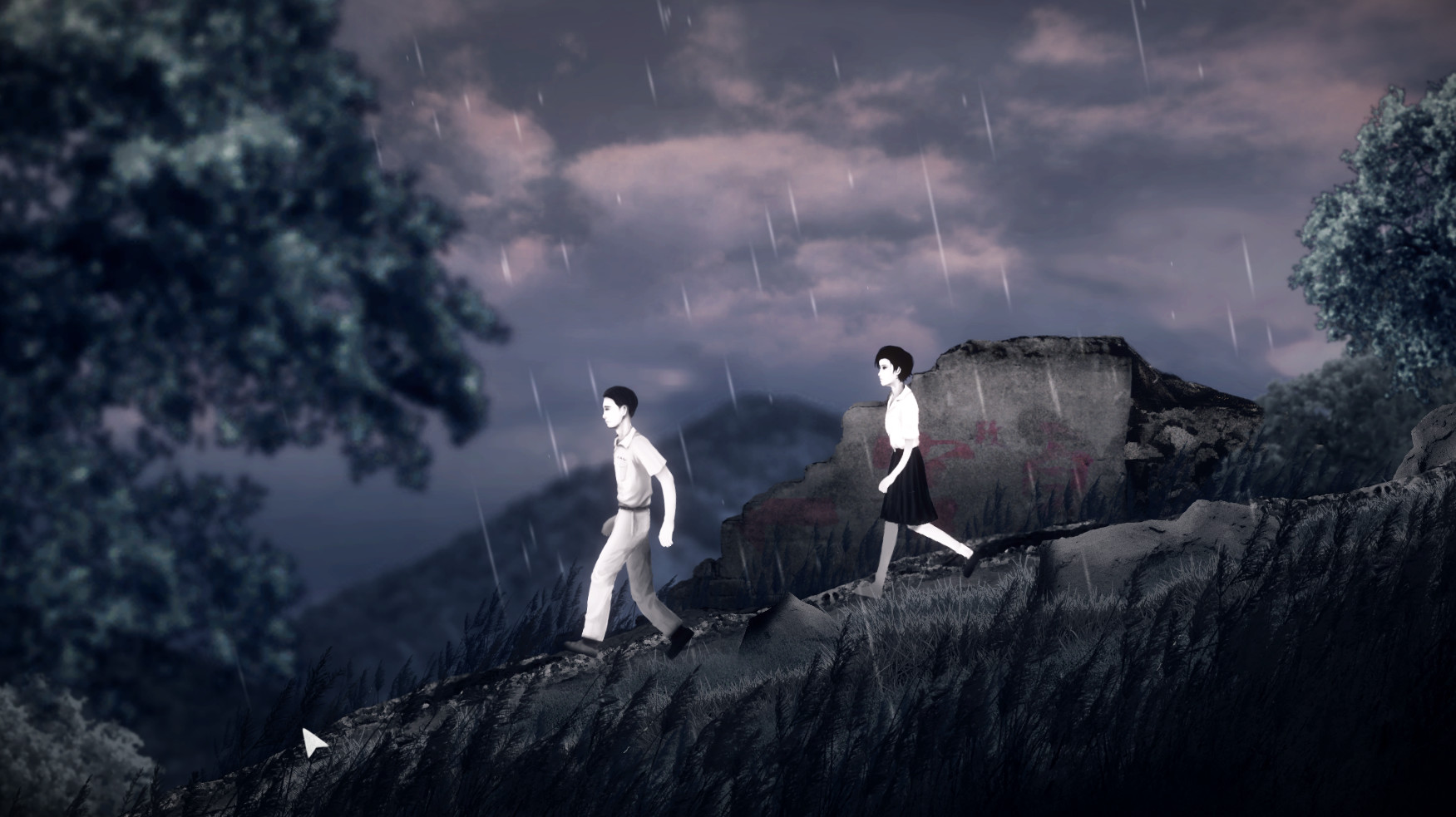
Why it fits: a school under martial-law-era pressure becomes a space where political repression, personal choices, memory, and supernatural symbolism reinforce one another. Best for: players who value historical and cultural context in a compact horror story. Know before playing: it is methodical and symbolism-heavy rather than built around frequent combat.
8. The Cat Lady
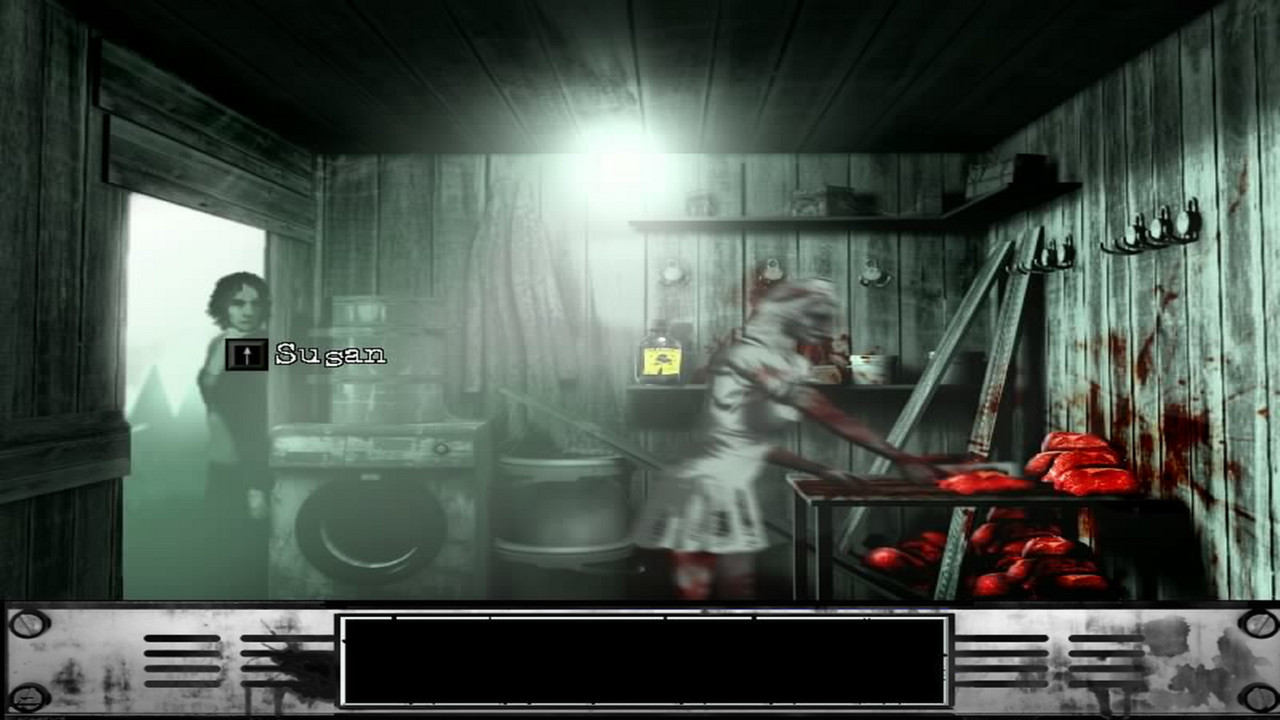
Why it fits: a bleak point-and-click story uses depression, connection, mortality, and recurring symbolic spaces as more than background decoration. Best for: players willing to follow an adult character through difficult material and extensive dialogue. Know before playing: suicide, violence, and disturbing imagery make content guidance essential.
Oppressive places, survival pressure, and embodied fear
Choose this branch when psychological dread is reinforced by navigation, puzzles, hostile spaces, or physical vulnerability. For a stricter focus on inventory, routes, pursuit, and limited resources, use the dedicated Survival Horror guide.
9. Darkwood
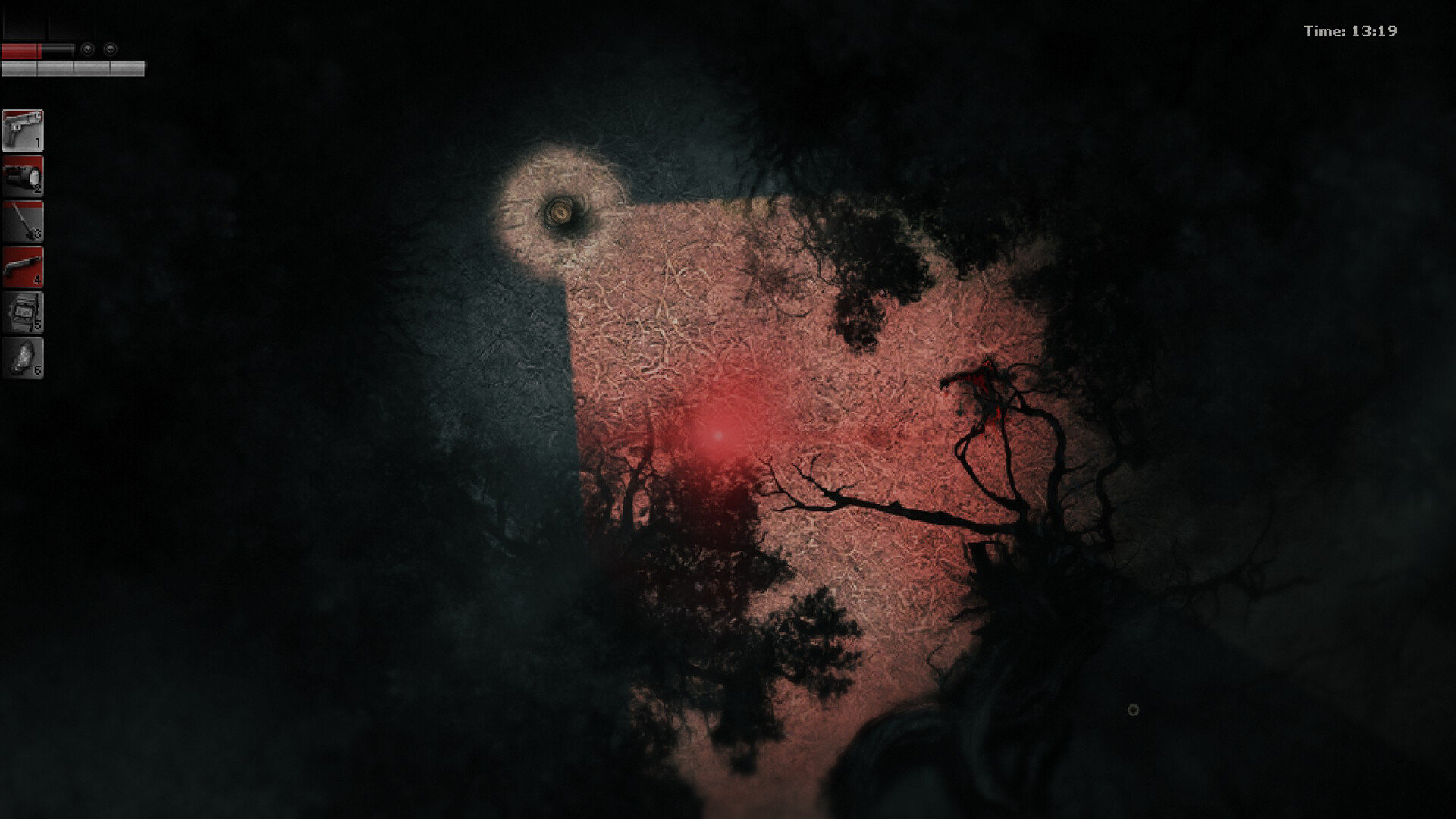
Why it fits: a restricted field of view, uncertain characters, altered landscapes, and dangerous nights make missing information more frightening than a fixed camera angle. Best for: players who want exploration, crafting, defense, and hard decisions inside an oppressive world. Know before playing: the early hours are demanding and the route forward is not always obvious.
10. In Sound Mind
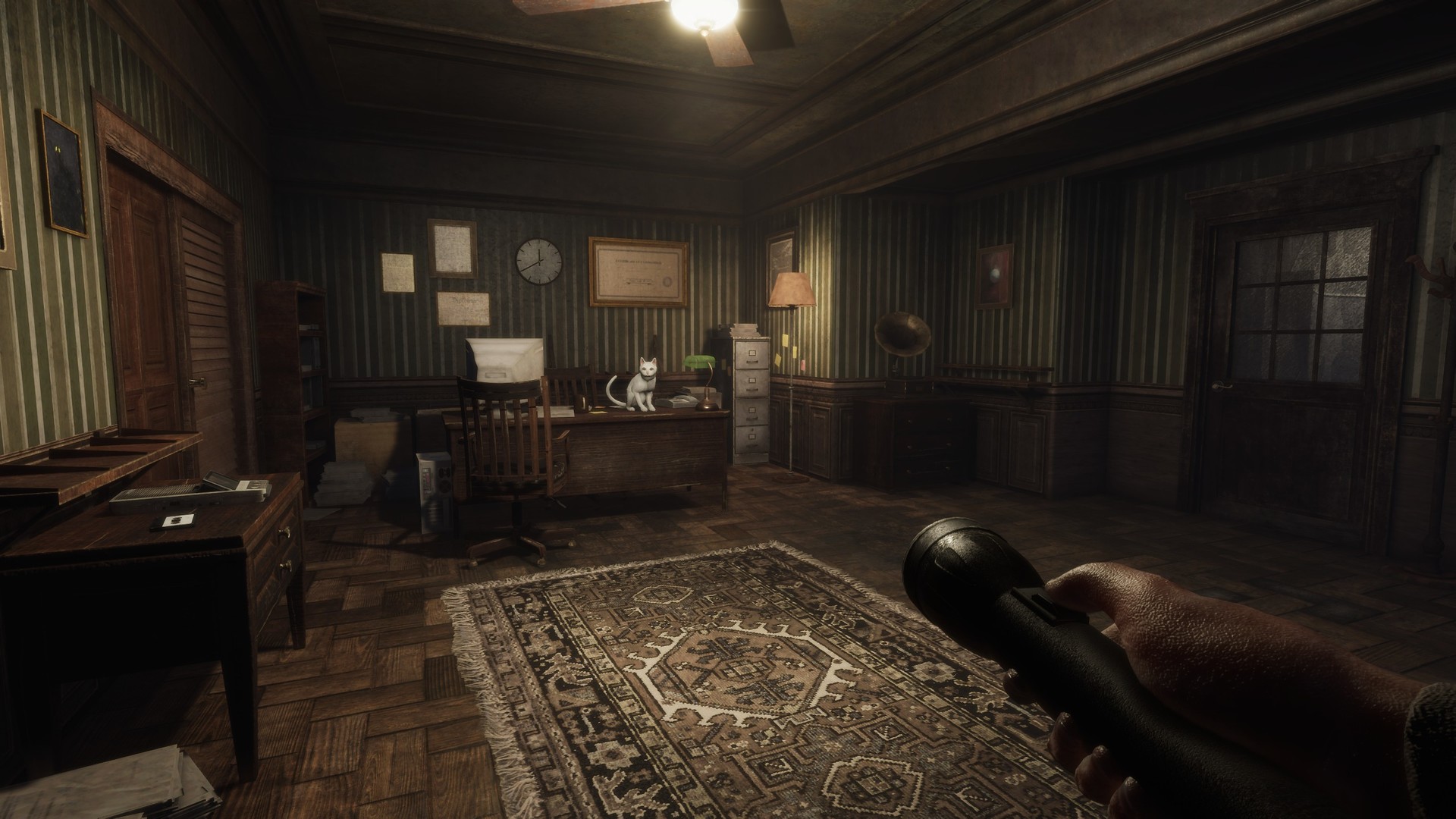
Why it fits: first-person exploration, combat, and puzzles move through distinct memory-shaped spaces while the protagonist’s own reliability remains in question. Best for: players who want more mechanical variety than a pure walking experience. Know before playing: its treatment of patients and trauma is stylized, and action sometimes competes with the psychological material.
11. FAITH: The Unholy Trinity
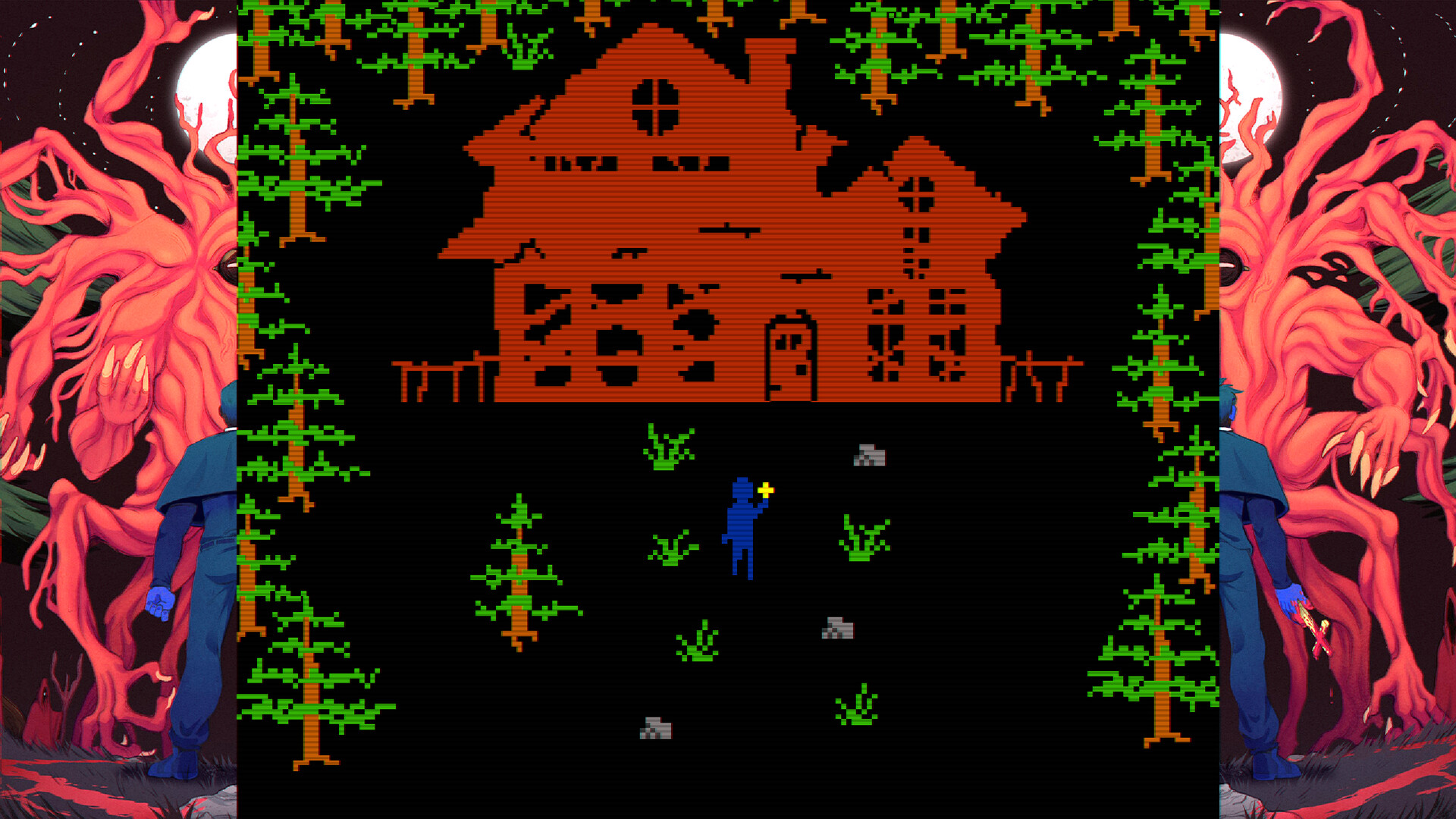
Why it fits: minimal animation, harsh sound, abrupt rotoscoped images, and a tiny set of actions leave space for religious panic and doubt to grow in the player’s imagination. Best for: players who value concentrated audiovisual design over realism. Know before playing: sparse controls do not mean low difficulty, and failure can require repetition.
12. Ib
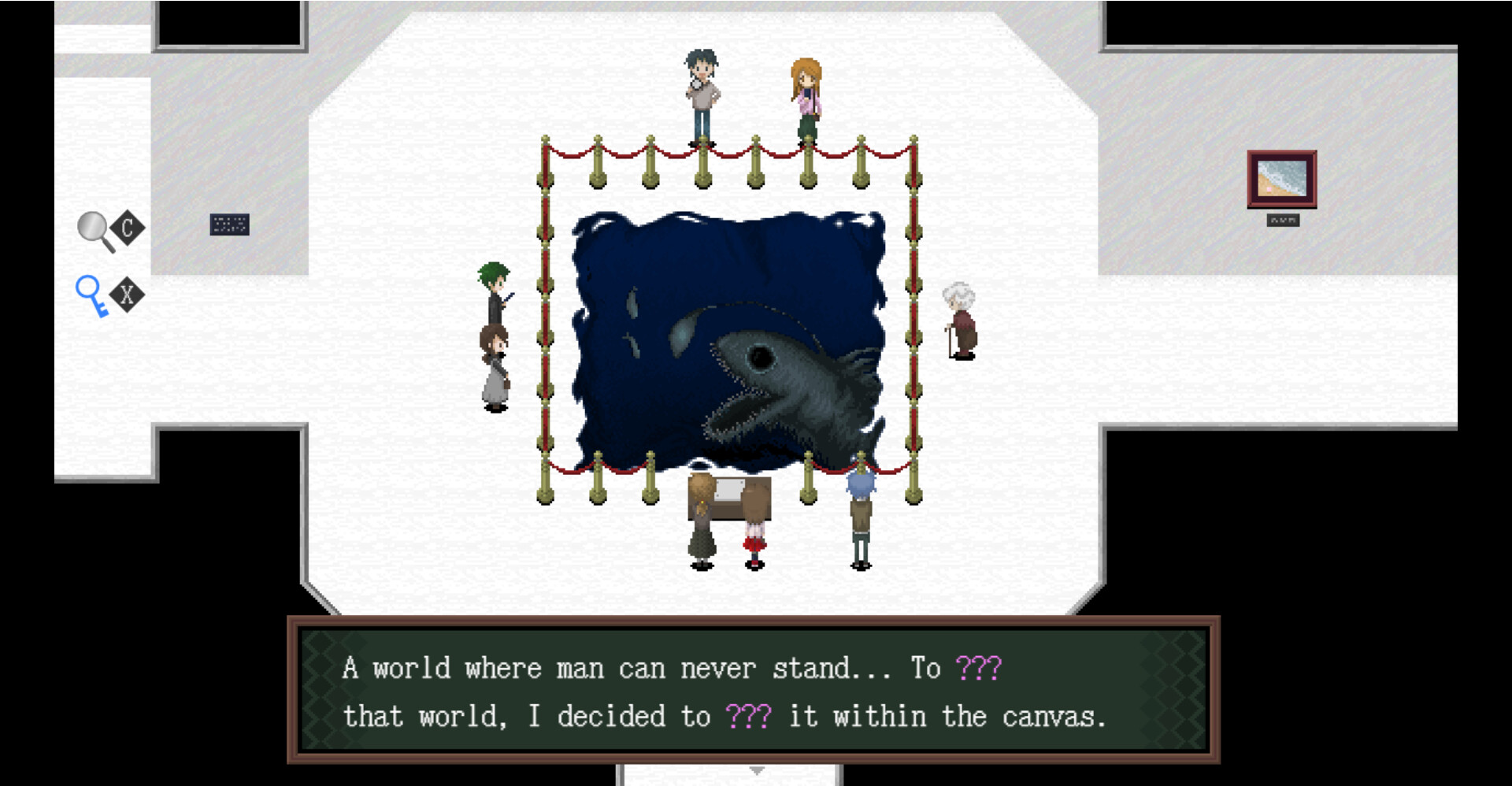
Why it fits: an art gallery becomes a quiet maze of living exhibits, uncertain companions, observation puzzles, and fragile safety. Best for: players who want compact pixel-art horror with little direct combat. Know before playing: its multiple outcomes encourage replay, while individual puzzles remain relatively concise.
Form-breaking stories and strange inner worlds
Choose this branch when presentation itself becomes unreliable: chronology breaks, a familiar genre turns against expectations, dialogue exposes an unstable inner monologue, or dream exploration replaces a conventional plot.
13. Mouthwashing
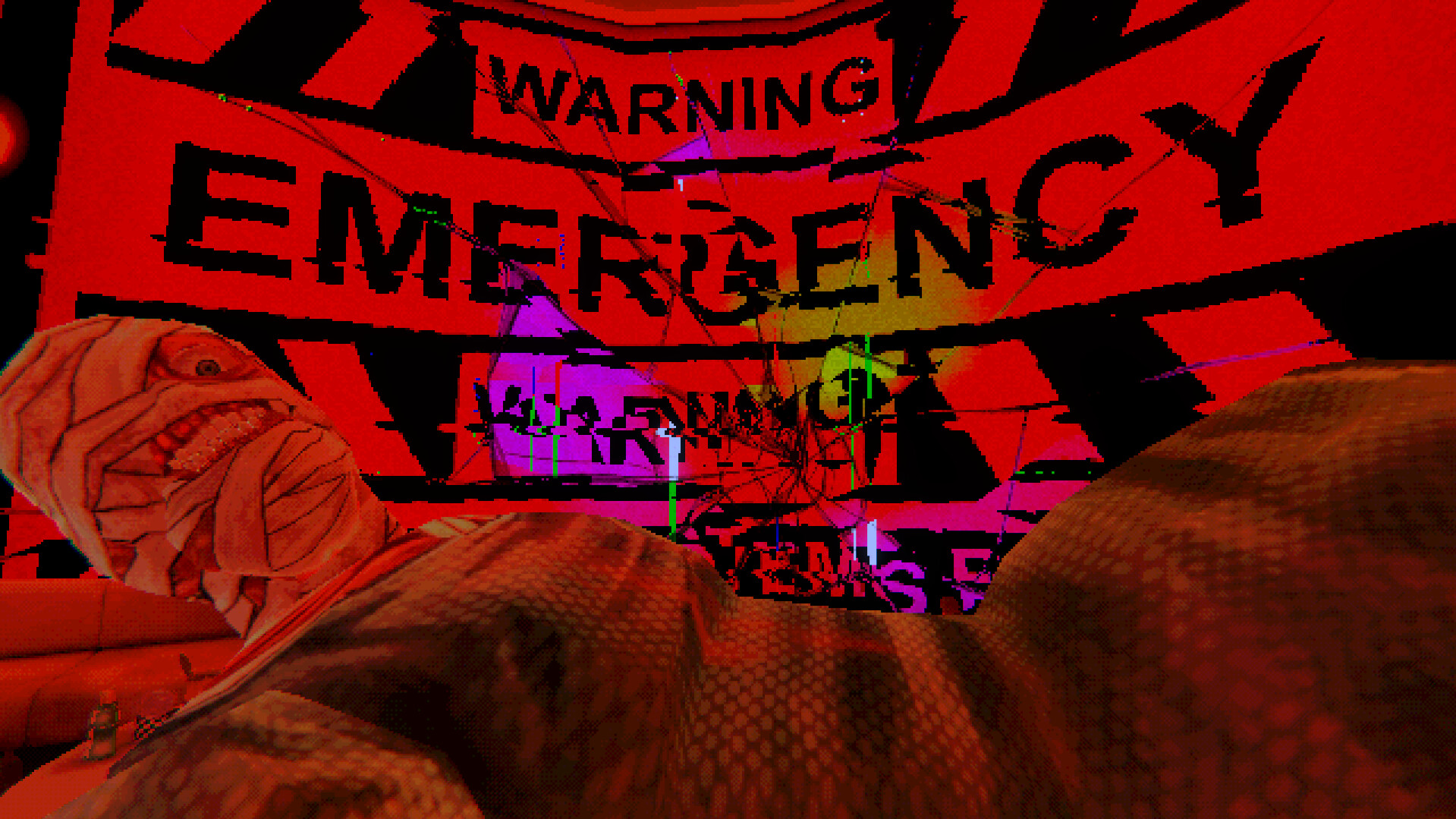
Why it fits: fractured chronology, repeated spaces, limited perspective, and a trapped crew make responsibility and self-justification the central source of dread. Best for: players who want a compact narrative experience that trusts them to assemble events. Know before playing: it contains severe adult themes, graphic violence, and little conventional mechanical challenge.
14. Doki Doki Literature Club Plus!
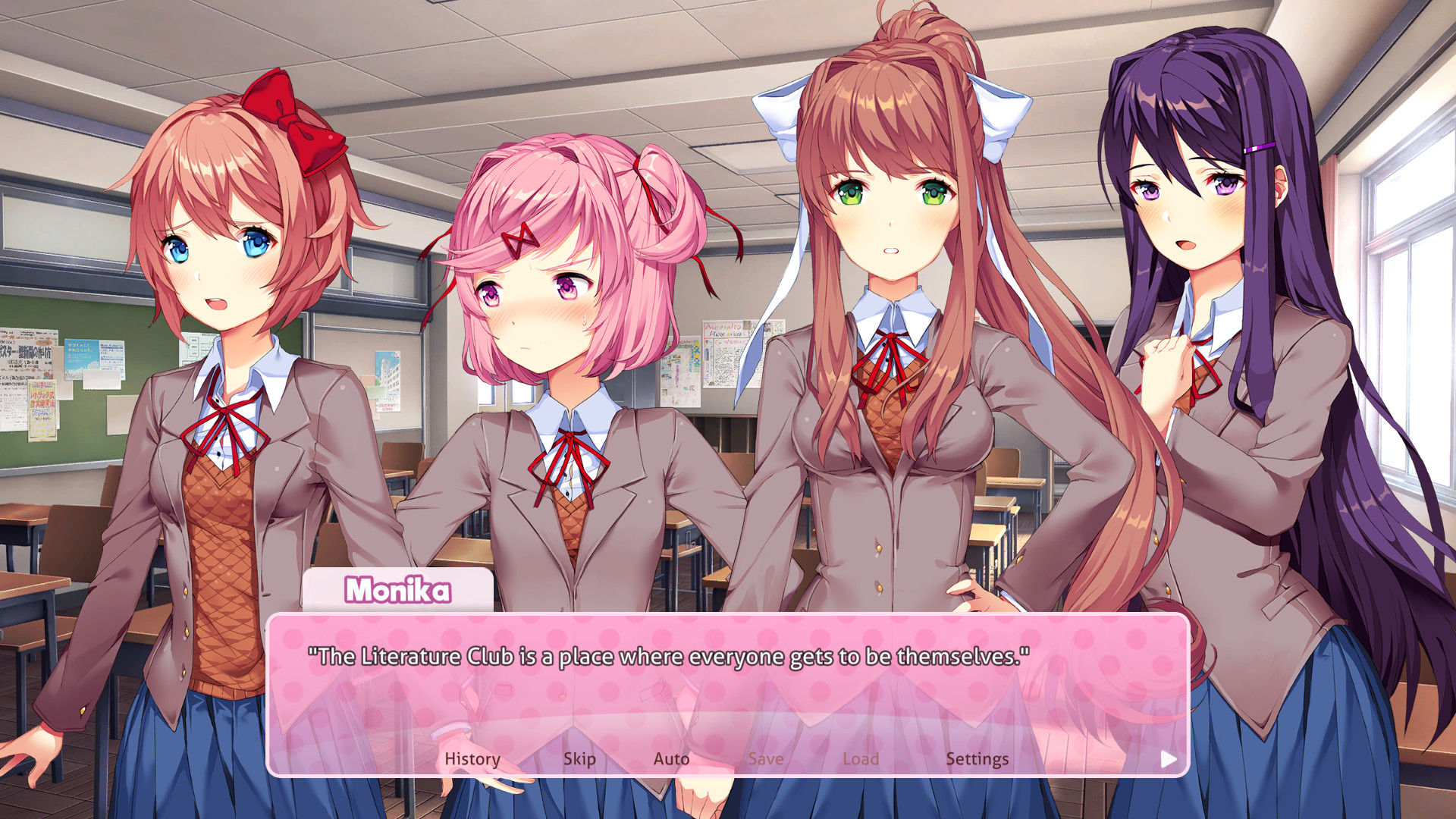
Why it fits: a familiar visual-novel structure gradually makes interface, authorship, and player expectation part of the unease. Best for: players who are comfortable with mostly reading and want genre form to matter. Know before playing: the cheerful presentation conceals severe themes; review the prominent content guidance before starting.
15. Milk inside a bag of milk inside a bag of milk
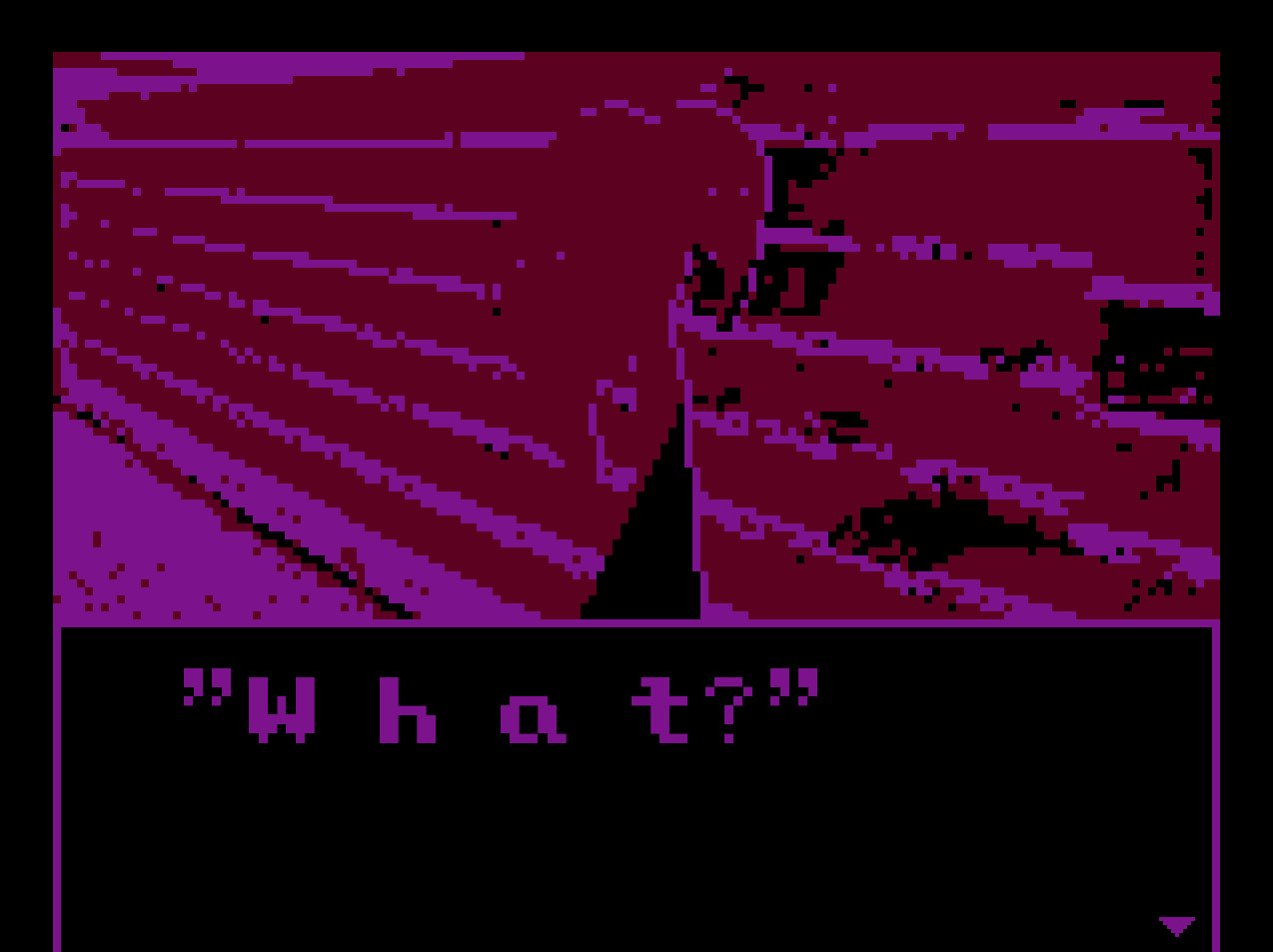
Why it fits: a simple errand is filtered through repetitive language, anxious internal dialogue, and a constrained point of view that makes ordinary action feel unstable. Best for: players who want a very short, text-led encounter with an unusual voice. Know before playing: it is closer to an interactive inner monologue than a full adventure and covers mental distress directly.
16. Yume Nikki
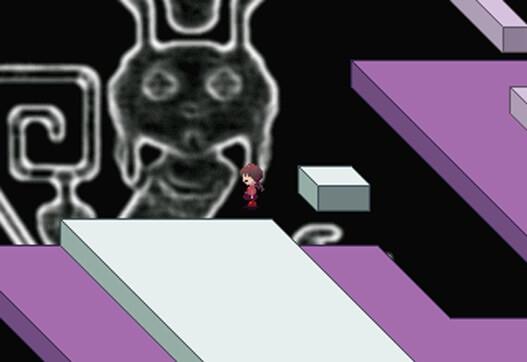
Why it fits: almost wordless dream exploration replaces a conventional quest with repeated symbols, lonely spaces, and encounters that remain open to interpretation. Best for: patient players who enjoy wandering and building meaning from atmosphere. Know before playing: it provides little direction, minimal conventional challenge, and more unease than constant fear.
How this archive decides what counts
The archive uses governed Psychological Horror feature evidence, including current community-tag signals and approved taxonomy relationships. The editorial examples use a stricter standard: fear or sustained unease must substantially work through perception, identity, memory, guilt, uncertainty, unreliable narration, or destabilized reality.
Psychological themes are not automatically psychological horror. A game can discuss depression, trauma, dreams, or difficult relationships without trying to frighten the player, while a conventional monster story can create psychological dread through incomplete information and unreliable perception. The full archive remains broader than this editorial selection, so open a game page to inspect screenshots, stored tags, review signals, platform details, and the current Steam link.
Choose a neighboring horror path
- Indie Horror games for the broad archive across survival, co-op, experimental, narrative, and action forms.
- Survival Horror games when resources, routes, inventory, pursuit, and physical vulnerability should lead.
- Story Rich games when narrative matters but horror is optional.
- Dark games for a broader mood that does not guarantee psychological horror.
- Tense games when sustained pressure matters across horror and other genres.
Refine the full Psychological Horror catalog
Already know what matters? Open Psychological Horror in the catalog filters, then combine it with Story Rich, Puzzle, low-end PC signals, controller support, a mood, or another mechanic. Filter results remain navigation pages; the canonical Psychological Horror archive stays here.
Psychological horror games FAQ
What is a psychological horror game?
A psychological horror game creates fear or sustained unease through the mind as well as external danger. Unreliable perception, identity, memory, guilt, isolation, suggestion, and a reality that cannot be trusted are common mechanisms. It can still include monsters, combat, puzzles, or survival systems.
What is the difference between psychological horror and survival horror?
Psychological horror describes how fear works: the mind, perception, and uncertainty are central. Survival Horror describes a play structure built around vulnerability, resources, routes, inventory, pursuit, or combat limits. SIGNALIS and Darkwood can use both; a narrative game may be psychological horror without using survival systems.
Do psychological horror games need jump scares?
No. Sound, repetition, unreliable space, incomplete information, character behavior, and implication can build dread without frequent sudden shocks. Individual games can still use jump scares, so check current game-specific guidance if they are a deal-breaker.
Which psychological horror game is best for story?
SOMA centers philosophical science fiction, OMORI offers a long character-led RPG, Detention connects personal memory to historical pressure, and Mouthwashing is compact and nonlinear. The best fit depends on reading tolerance, desired playtime, and content sensitivity.
Which psychological horror games have more gameplay?
SIGNALIS and Darkwood emphasize survival decisions, In Sound Mind mixes first-person combat and puzzles, and Fran Bow uses point-and-click inventory puzzles. Doki Doki Literature Club Plus! and Milk inside a bag of milk are much more text-led.
Which psychological horror game should a beginner try?
Ib is compact and mechanically approachable, while Fran Bow uses familiar point-and-click interactions. SOMA offers a story-led route with more navigation pressure. Content intensity is separate from mechanical difficulty, so read current warnings before choosing.
Are psychological horror games always about mental illness?
No. They may focus on identity, guilt, memory, isolation, social interpretation, technology, religion, or unreliable reality. Mental illness should not be treated as a shortcut for horror, and a serious psychological theme does not automatically make a game frightening.
Are all 247 games in this archive equally strong examples?
No. The full archive reflects governed store and community evidence across many hybrids and edge cases. The 16 examples above receive a stricter editorial review and practical fit/caveat note; archive membership alone is not a universal recommendation.
Updated: July 27, 2026. Archive membership, Steam tags, prices, platform support, content guidance, online services, and requirements can change.