The best survival horror games make staying alive a chain of decisions: what to carry, which route to risk, when to fight, where to hide, and whether a scarce resource is worth spending now. This list focuses on 15 indie games on Steam where that pressure shapes play, rather than treating any scary survival or crafting game as the same genre.
Start with the quick picks, compare the spoiler-light notes, or move to the broader Horror game archive. If you care more about perception, memory, and dread than resource pressure, browse Psychological Horror games.
Steam tag and live-page check completed July 26, 2026.
How we chose these games
Every selected game has a published Indie Lantern page and displayed the Survival Horror user-defined tag on its official Steam page when checked on July 26, 2026. We then required a concrete survival-horror loop such as scarce supplies, dangerous exploration, route planning, puzzles under pressure, pursuit, limited safety, or meaningful save and inventory decisions.
What we excluded: generic survival crafting, horror games with no sustained survival pressure, and titles included only because they share a dark mood. Steam tags are evidence, not an automatic verdict; the notes below explain why each game belongs and where it bends the formula.
Classic resource and route pressure
1. SIGNALIS
Why it fits: scarce ammunition, tight carrying capacity, locked routes, puzzles, and dangerous returns through a decaying facility create constant tradeoffs. Best for: classic structure with fragmented science-fiction storytelling. Know before playing: the narrative is deliberately indirect and rewards interpretation.
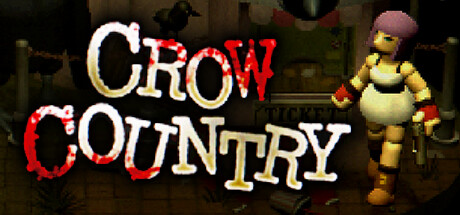
2. Crow Country
Why it fits: an abandoned theme park becomes a connected puzzle box where keys, backtracking, weapons, and health supplies open new risks and shortcuts. Best for: newcomers who want readable old-school design. Know before playing: Exploration Mode can remove enemy attacks if you want puzzles without combat pressure.
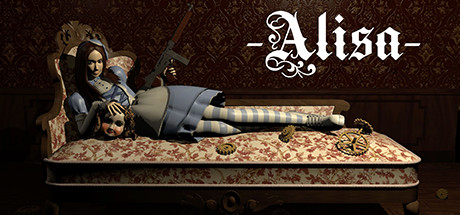
3. Alisa
Why it fits: pre-rendered rooms, limited resources, unusual enemies, currency, and an item shop rebuild the late-1990s mansion formula with its own dollhouse identity. Best for: players who genuinely want old-school controls and presentation. Know before playing: its deliberate stiffness is part of the homage, not a modernized control scheme.
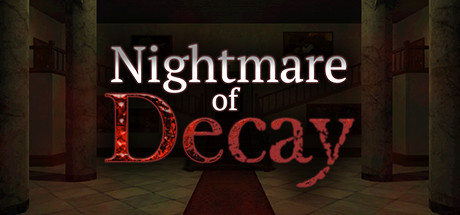
4. Nightmare of Decay
Why it fits: a first-person mansion uses keys, weapons, ammunition, monsters, and compact exploration to deliver the genre in a direct form. Best for: a short, inexpensive route into classic survival horror. Know before playing: it is more focused homage than expansive narrative epic.
5. Daymare: 1998
Why it fits: multiple characters, hard-to-kill enemies, scarce ammunition, environmental puzzles, and backtracking lean into third-person resource pressure. Best for: players who want a rougher, combat-heavy 1990s throwback. Know before playing: its Steam review signal is mixed compared with the other picks, so expect friction as well as ambition.
Pursuit, hiding, and puzzles
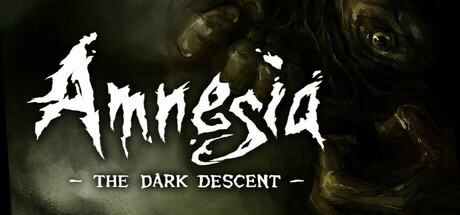
6. Amnesia: The Dark Descent
Why it fits: exploration, light management, physics puzzles, hiding, and vulnerability replace conventional weapon mastery with the pressure of being hunted. Best for: first-person immersion and helpless horror. Know before playing: avoidance is the point; players looking for steady combat should choose another game.
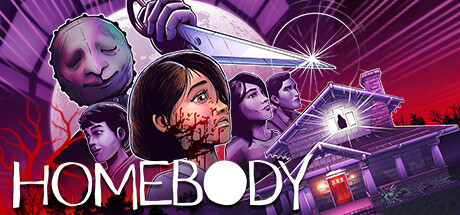
7. Homebody
Why it fits: a repeating night combines escape-room puzzles, a pursuing killer, and knowledge carried between loops. Best for: puzzle-first psychological survival horror. Know before playing: narrative relationships and repeated problem solving matter more than fighting.
8. Lost in Vivo
Why it fits: cramped tunnels, limited visibility, disorienting routes, weapons, and oppressive sound make every step toward escape feel unsafe. Best for: first-person psychological horror with retro texture. Know before playing: surreal imagery and navigation uncertainty are intentionally intense.
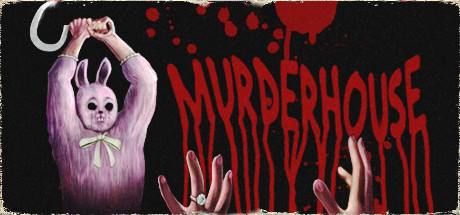
9. Murder House
Why it fits: a slasher pursuit is built with cinematic camera angles, tank-style movement, limited save items, and a dangerous house to learn. Best for: compact PS1-era survival horror. Know before playing: there are no autosaves, and the control style is intentionally historical.
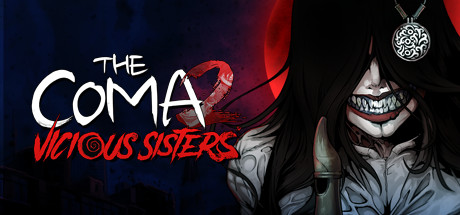
10. The Coma 2: Vicious Sisters
Why it fits: exploration, hiding places, pursuit, supplies, and preparation turn a school and its surrounding district into a 2D survival route. Best for: players who prefer evasion and story over gunplay. Know before playing: escaping danger matters more than defeating it directly.
Different structures and perspectives
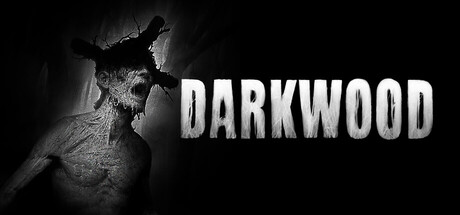
11. Darkwood
Why it fits: daylight scavenging feeds a nightly defense loop where barricades, fuel, weapons, and positioning determine whether the hideout lasts until morning. Best for: open-ended top-down survival pressure. Know before playing: systems are deliberately opaque and the learning curve is part of the fear.
12. Lone Survivor: The Director’s Cut
Why it fits: food, medicine, ammunition, stealth, rest, and choices connect physical survival to the protagonist’s mental state. Best for: a 2D psychological interpretation of the genre. Know before playing: its pixel presentation hides a demanding and adult story.
13. WORLD OF HORROR
Why it fits: turn-based investigations make health, reason, items, time, and rising doom into resources across repeatable cases. Best for: players who want survival horror as a roguelite decision system. Know before playing: the dense interface and random events create a steeper onboarding curve.
14. Evil Tonight
Why it fits: top-down exploration, weapons, ammunition, puzzles, and interconnected spaces combine classic cues with faster arcade-like combat. Best for: colorful pixel art and a more action-forward pace. Know before playing: it is less helpless than the pursuit-focused games above.
15. Heaven Dust
Why it fits: a compact research facility uses zombies, item decisions, exploration, puzzles, and multiple endings to compress the classic formula. Best for: a smaller-scale entry with an unusual visual style. Know before playing: the presentation is lighter than the story and resource loop.
Quick picks
| Game | Best for | Why it fits | Know before playing |
|---|---|---|---|
| SIGNALIS | Classic systems and story | Scarce resources and facility exploration support a dense science-fiction mystery. | The fragmented narrative asks the player to interpret rather than receive every answer. |
| Crow Country | A first survival horror game | A readable connected map, puzzles, backtracking, and an optional enemy-free exploration mode make the structure easy to understand. | The stylized theme park look is less grim than several other picks. |
| Nightmare of Decay | A short retro entry | A compact first-person mansion delivers keys, ammo decisions, monsters, and puzzles without a huge time commitment. | Its appeal is direct homage rather than narrative novelty. |
| Amnesia: The Dark Descent | Hiding instead of fighting | Light, sound, physics puzzles, and vulnerability make pursuit more important than weapons. | Combat-focused players may find its helplessness frustrating. |
| Darkwood | Open-ended survival pressure | Daytime scavenging and nightly hideout defense create a distinctive top-down survival loop. | The systems and world are intentionally reluctant to explain themselves. |
How the list is organized
Classic resource and route pressure
SIGNALIS, Crow Country, Alisa, Nightmare of Decay, Daymare: 1998.
Pursuit, hiding, and puzzles
Amnesia: The Dark Descent, Homebody, Lost in Vivo, Murder House, The Coma 2: Vicious Sisters.
Different structures and perspectives
Darkwood, Lone Survivor: The Director's Cut, WORLD OF HORROR, Evil Tonight, Heaven Dust.
Frequently asked questions
What makes a game survival horror?
The player survives sustained danger through constrained resources, exploration, route knowledge, puzzles, hiding, or careful combat. A horror theme or hunger meter alone is not enough.
How is survival horror different from survival crafting?
Survival crafting usually emphasizes gathering, building, and long-term open-ended progression. Survival horror uses scarcity and vulnerability to intensify a dangerous authored space, story, or sequence of encounters.
Which survival horror game is best for beginners?
Crow Country is the clearest starting point here because its map and puzzles teach the classic structure, while Exploration Mode can remove enemy attacks if the pressure becomes a barrier.
Which picks have little or no combat?
Amnesia: The Dark Descent centers on hiding and escape. Homebody and The Coma 2 also put puzzle solving, evasion, and route planning ahead of conventional gun combat.
Are these survival horror games co-op?
This selection focuses on single-player survival horror. Co-op horror is a different search job and should have its own verified multiplayer and co-op list.
Games in this collection



Make this list fit you
Start with Indie already selected, then include or exclude the details that matter to you.